

Understanding Wisconsin, Together.
WPR’s “Wisconsin Today” newsletter keeps you connected to the state you love without feeling overwhelmed. No paywall. No agenda. No corporate filter.
Bipartisan Effort Seeks State‑Level Oversight of Intoxicating Hemp
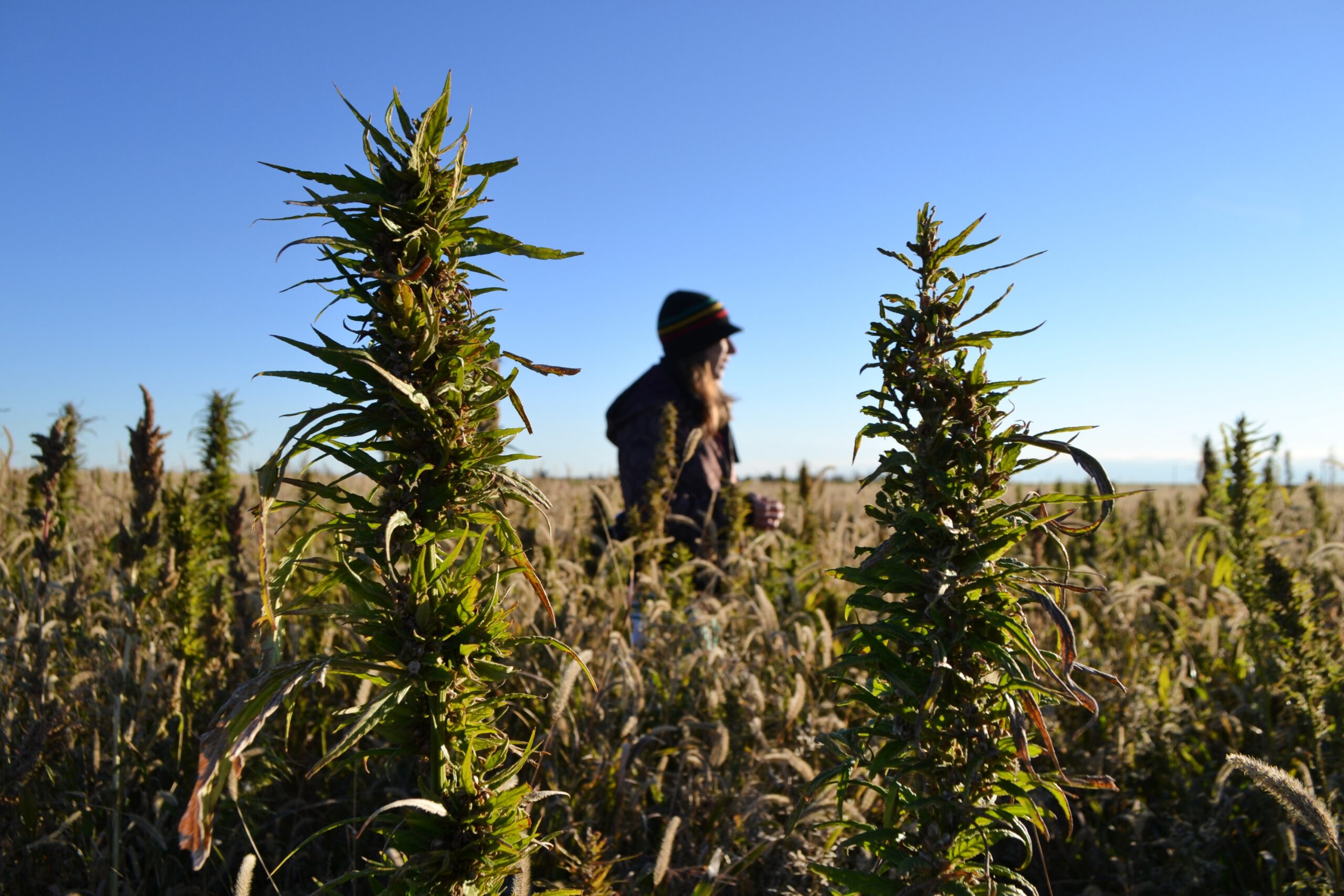
A group of state lawmakers from both parties has introduced legislation aimed at regulating hemp products that can produce a intoxicating effect in Wisconsin. The bill, sponsored by Senator Patrick Testin (R‑Stevens Point), carries the support of five Republican and four Democratic members of the State Assembly.
The proposal would set a minimum age of 21 for purchasing any hemp product containing THC variants that cause a high. It also calls for mandatory third‑party laboratory testing of hemp crops before they reach the market and requires that all such products be sold in child‑resistant packaging.
Testin’s office did not provide an immediate comment when reached for clarification on the bill’s specifics.
Industry Perspective on Federal Ban and State Protection
Jay Selthofner, a long‑time advocate for marijuana legalization in Wisconsin and owner of Heritage Hemp Farm in Ripon, explained that the legislation responds to a recent federal restriction. A short‑term funding bill passed in November included a provision banning hemp products with more than 0.4 milligrams of THC per serving.
According to Selthofner, the state‑focused bill does not explicitly mention the federal ban, but by establishing a Wisconsin‑run regulatory program it would effectively shield growers, distributors, and retailers from that federal measure. He noted that because the federal ban delegates regulation to the states, Wisconsin’s current reliance on the U.S. Department of Agriculture for grower licenses leaves room for uncertainty.
“Having our own program lets us control more of the process than simply depending on a loosely written federal framework,” Selthofner said.
Self‑Policing Gaps and the Need for Clear Rules
Selthofner acknowledged that many actors in Wisconsin’s hemp market already observe the 21‑year‑old age limit and use child‑resistant packaging, but he warned that “a few bad players” could undermine public confidence. He believes the Testin bill would provide clearer assurances for consumers.
He contrasted the proposal with other legislative ideas that would mirror the federal ban and create a regulatory scheme modeled after the state’s alcohol industry. Selthofner said those alternatives risk imposing excessive costs on small growers.
Competing Three‑Tier Model Raises Concerns
Another bipartisan bill under consideration would institute a “three‑tier” system for intoxicating hemp. Under that model, growers would be prohibited from selling their own products directly; instead, bars, restaurants, and liquor stores holding Class A or B licenses could sell hemp items without seeking additional permits.
The competing legislation also introduces new permits and taxes for the hemp sector. Industry groups argue that these added expenses could drive up costs and push smaller producers out of business. Supporters of the measure include associations representing brewers, wineries, grocery stores, and restaurants.
Selthofner noted that the Testin bill’s authors have expressed willingness to listen to feedback from Wisconsin’s hemp community, which he views as a promising first step toward crafting legislation that can gain both legislative approval and industry backing.
Wisconsin Public Radio, © Copyright 2026, Board of Regents of the University of Wisconsin System and Wisconsin Educational Communications Board.