
Is Hemp Really an Eco‑Friendly Crop?
When you hear that hemp could help solve environmental problems, it’s easy to picture a miracle plant that needs little water, thrives on poor soil, and replaces everything from cotton T‑shirts to car parts. The reality, as with most agricultural comparisons, is more nuanced. Below we break down the evidence, focusing on the most common use—textiles—and weigh hemp against cotton and polyester.
The Botanical Basics
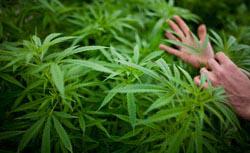
Hemp (Cannabis sativa L.) and marijuana are the same species; the legal distinction hinges on the concentration of delta‑9‑tetrahydrocannabinol (THC). In the United States, any plant with THC above 0.3 percent is classified as marijuana and therefore a Schedule I controlled substance. Hemp, by definition, stays below that threshold, which makes it non‑psychoactive but still subject to the same federal restrictions unless a grower obtains a special permit.
Because visual inspection cannot reliably separate the two, U.S. regulators have historically required laboratory testing. This hurdle means that virtually all raw hemp used in domestic products is imported from countries such as Canada, France, and China, where low‑THC hemp is cultivated under regulated seed‑certification programs.
Water Use: Hemp vs. Cotton vs. Polyester
Water consumption is often the most cited environmental advantage of hemp. A 2005 study by the Stockholm Environment Institute (SEI) compared the full life‑cycle impacts of cotton, polyester, and hemp textiles. The researchers found that:
- Hemp requires roughly half the irrigation water of cotton per season.
- When processing is included, cotton’s water footprint balloons to more than four times that of hemp.
- Polyester, being a synthetic polymer, uses negligible fresh water during production; however, its feedstock—petroleum—is non‑renewable and energy‑intensive.
These findings align with field observations: hemp’s deep root system allows it to access moisture in poorer soils, reducing the need for supplemental irrigation in many temperate climates.
Land Requirements and Yield
Land use tells a similar story. The SEI analysis reported that producing one ton of finished hemp textile needs about half the acreage required for the same amount of cotton. This efficiency stems from hemp’s rapid growth cycle (typically 70–90 days) and its ability to produce high biomass per hectare.
Interestingly, polyester fares well on land use because it is not an agricultural product; its “land footprint” is essentially the oil field or refinery where the raw polymer is derived. While this avoids competition for arable land, it shifts the environmental burden to fossil‑fuel extraction and associated greenhouse‑gas emissions.
Energy Consumption and Chemical Inputs
Energy use is where the picture gets mixed. The SEI study noted that the farming stage—particularly the application of synthetic pesticides and herbicides—accounts for more than half of the total energy demand for both hemp and cotton. When organic practices are employed (i.e., no synthetic chemicals), the energy gap narrows:
- Organic cotton slightly outperforms organic hemp in total energy use, but the difference is modest.
- Conventional hemp, benefitting from its natural resistance to many pests, often needs fewer chemical interventions than conventional cotton, tilting the energy balance in its favor.
Polyester remains the most energy‑intensive option due to the extraction and refining of crude oil, followed by the polymerization process that turns ethylene glycol and terephthalic acid into PET fibers.
Putting It All Together
Taken together, the evidence suggests that hemp offers environmental advantages over cotton in two critical categories: water consumption and land efficiency. Its energy profile is comparable to—or slightly better than—conventional cotton when grown organically, and it clearly outperforms polyester in terms of renewability and biodegradability.
However, these benefits are contingent on how the crop is cultivated. Large‑scale, monoculture hemp farming that relies on synthetic fertilizers and herbicides can erode some of the gains. Moreover, the current U.S. regulatory framework forces manufacturers to import hemp fiber, adding transportation emissions that offset some of the crop’s intrinsic efficiencies.
For consumers and policymakers, the takeaway is straightforward: hemp is not a silver bullet, but it represents a more sustainable alternative to conventional cotton—especially when paired with organic farming practices and domestic supply chains that reduce reliance on imports.
To read the original Slate article that inspired this overview, see the source link below: