

The Growing Waste Problem in California’s Cannabis Industry
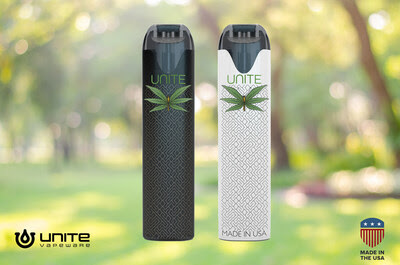
When the cannabis movement first emerged, it walked hand‑in‑hand with back‑to‑the‑land environmentalists who imagined a low‑impact, earth‑friendly industry. Early activists talked about using minimal packaging made from hemp and never imagined that waste would become a defining challenge. Today, the sector generates tons of discarded material—from vaporizer cartridges to the legally required layers of child‑proof packaging—and the environmental footprint is growing faster than many anticipated.
Longtime cannabis advocate Chris Conrad notes that the conversation around waste was virtually nonexistent in the early days. “Back then the movement was intertwined with the environmental movement and we never expected waste to be an issue,” he says. He points to the rise of vaping cartridges as a turning point, adding that disposable vape products have made the problem even worse.
Compliant Waste Disposal is Critical
California currently relies on two primary cannabis waste processors: GAIACA Waste Revitalization (GAIACA) and Cannabis Waste Solutions (CWS). Jonathan Lee, co‑founder and CEO of GAIACA, started the company in 2016 with a dual mission—to manage cannabis waste in the most compliant way possible and to protect the surrounding environment. Andrew McGinty, CEO of CWS, brings more than 15 years of hazardous‑waste expertise to the table; he launched CWS in late 2018 after recognizing that the fledgling cannabis sector could benefit from his background.
According to McGinty, Washington operators have already disposed of nearly 2 million pounds of plant waste in landfills since adult‑use cannabis sales began there in 2014. In California, the bulk of waste handled by both firms comes from cultivation biomass and trimming material. CWS converts this biomass into energy to power its own operations, while GAIACA opts for composting. Other significant waste streams, ranked by volume, include rockwool or other grow media, soil, packaging waste, debris contaminated with cannabis, and finally hazardous waste such as spent solvents and batteries.
Lee stresses that responsibility for proper waste disposal lies with the waste generator. “If waste is not managed compliantly, this can be very costly to operators,” he warns. He cites the case of WellgreensCA, an extractor that illegally dumped spent solvents, now facing hefty fines and potential federal jail time. “Saving money in the short term by cutting corners only invites far greater long‑term risk,” Lee adds.
Because of a quirk in California’s original cannabis regulations, all waste had to be rendered unusable and unrecognizable at the site where it was produced. To meet this requirement, both GAIACA and CWS designed custom rendering trucks that travel to licensed premises, process the waste on‑site, and record the entire procedure with cameras for transparency and compliance.
A Solution in the Works for Vape Waste
The accumulating volume of vape waste has become too large to ignore, prompting action from the National Stewardship Action Council (NSAC) and several cannabis companies. Heidi Sanborn, NSAC’s Executive Director, has spent three decades advocating for waste reduction and innovative recycling. Under her leadership, the council helped pass six bills within its first six years, including SB 54 (Allen), which is regarded as the nation’s strongest Extended Producer Responsibility (EPR) law.
Sanborn acknowledges that while the tobacco industry has resisted similar reforms, the majority of cannabis operators have been receptive to collaboration. She has been working closely with the California Cannabis Industry Association, STIIIZY, Vessel, and GAIACA on AB 1894 (L. Rivas). The bill seeks to eliminate the term “disposable” from cannabis vape marketing and instead require accurate labeling as “household hazardous waste.” Consumers would then be directed to state‑permitted disposal facilities. Because the legislation focuses on advertising language rather than costly operational changes, Sanborn anticipates minimal financial impact on businesses.
Both GAIACA and CWS report rising volumes of vape waste, along with increasing amounts of spent solvents such as ethanol and contaminated post‑extraction biomass. While GAIACA does not incinerate biomass, it sends spent ethanol to energy facilities where its destruction yields usable power. McGinty notes that disposable vape batteries present a particular recycling challenge because federal regulations require full disassembly. He also highlights a safety concern: lithium‑ion batteries can react with water used for dust control at waste facilities, potentially sparking fires if a battery ends up in a puddle and is run over.
Why Sustainability is Good Business
James Choe, CEO of Vessel, argues that sustainability is not just an ethical choice but a competitive advantage. He admits that some companies engage in greenwashing, but Vessel aims to lead by example. The firm has shifted to simple, single‑color packaging for its high‑end vape products, recognizing that elaborate boxes add little value once a product has already been sold online.
Regulatory child‑proof requirements contribute heavily to packaging waste. Vessel circumvented excess layers by certifying its vape cartridges as child‑proof, eliminating the need for additional wrapping. Choe observes that many brands balk at the extra ten‑cent cost per unit, but he believes consumer education can shift that calculus. A survey of Vessel’s own customer base found that roughly 65 % of respondents did not prioritize environmental concerns, underscoring the need for clearer communication about why sustainable choices matter.
Sanborn reinforces the business case: younger consumers increasingly base purchasing decisions on a company’s social and environmental record. “If you’re not catering to them, they will find a brand that does,” she says. She warns that greenwashing, once uncovered, erodes trust and drives customers away. Conrad echoes this sentiment, suggesting that solving the waste issue will strengthen the legal market by giving consumers confidence in the products they buy.
As the industry continues to mature, proactive waste management and transparent sustainability practices are poised to become differentiators rather than afterthoughts. By aligning operational goals with environmental stewardship, cannabis businesses can reduce their ecological footprint while building lasting trust with the communities they serve.