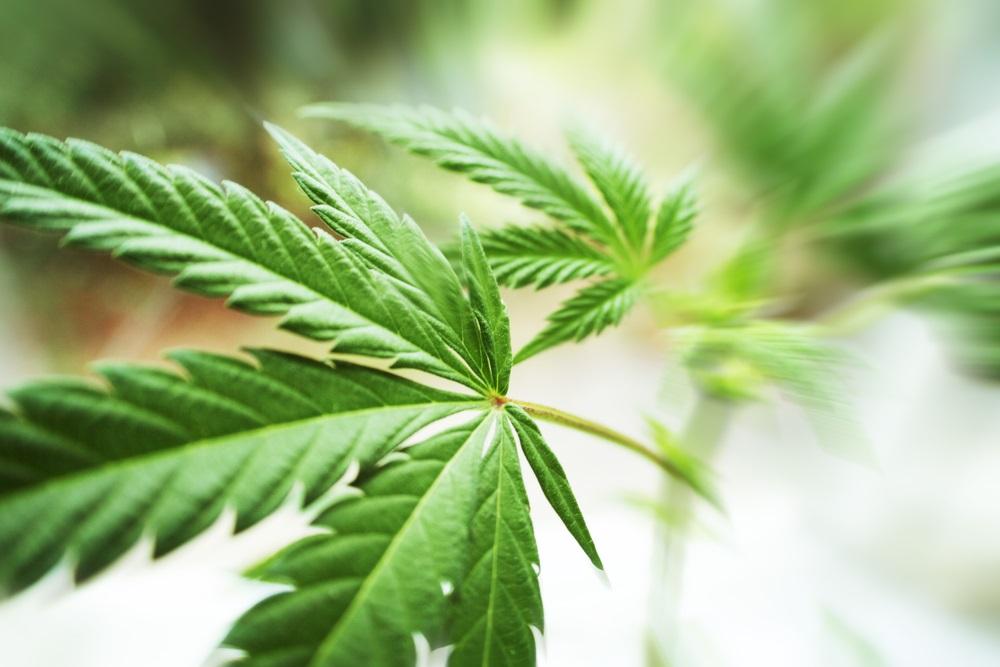


Texas Moves to Ban Delta-8 and Other Hemp-Derived THC Products by End of July
On July 20, 2026, the Texas Department of State Health Services (DSHS) announced that it will reclassify several hemp‑derived THC isomers—including Delta‑8, Delta‑10, Delta‑6 and THCP—as controlled substances effective July 31. The change follows a Texas Supreme Court ruling in May that lifted a longstanding injunction against the agency’s 2021 rule, allowing DSHS to enforce the new definitions.
According to a July 10 notice published in the Texas Register, DSHS updated the definitions of “Tetrahydrocannabinols” (THC) and “Marihuana Extract” to capture cannabinoids that produce intoxicating effects but are not delta‑9 THC. The Texas Hemp Business Council urged retailers on July 15 to review inventory and sell through or remove products containing more than trace amounts of the affected cannabinoids before the deadline.
Is weed legal in Texas?
Under both state and federal law, recreational marijuana remains illegal in Texas. The state does permit limited medical use of low‑THC cannabis through the Compassionate Use Program, which allows patients with qualifying conditions to access cannabis products containing no more than 0.5 % THC by weight.
What is the difference between Delta‑8 and Delta‑9?
Delta‑8 THC is a minor cannabinoid found in trace amounts in hemp. Manufacturers typically synthesize it from CBD or other hemp‑derived cannabinoids. While Delta‑8 can produce psychoactive effects similar to those of delta‑9 THC—the primary intoxicating compound in marijuana—it is chemically distinct and is usually present in far lower concentrations in the plant.
Delta‑9 THC, by contrast, is the main psychoactive ingredient in cannabis and remains prohibited for recreational use in Texas. Products that mimic its effects using Delta‑8 or similar isomers have proliferated in the hemp market, prompting state regulators to act.
Difference between THC and THCA?
THCA (tetrahydrocannabinolic acid) is the non‑intoxicating precursor to Delta‑9 THC found in raw hemp flower. When exposed to heat—such as through smoking, vaping, or cooking—THCA undergoes decarboxylation and converts into Delta‑9 THC, which then produces the characteristic of the “high” associated with cannabis. Because THCA itself does not bind strongly to cannabinoid receptors, it is marketed as a legal hemp product in many jurisdictions, though its potential to become psychoactive upon heating has drawn regulatory scrutiny.
State officials emphasize that the new DSHS rule targets any product that, after typical consumer use, results in detectable levels of intoxicating THC isomers, regardless of whether the compound is labeled Delta‑8, Delta‑10, THCP, or another variant.
For more details on the upcoming deadline and its impact on Texas retailers, see the original report Here.