

Texas hemp farmers warn of industry collapse under proposed THC ban
Andrew Hill, who studied and farmed hemp in California before the crop became legal in Texas, spoke as a keynote presenter at the state’s first agricultural hemp expo in Dallas in 2019. Amid the excitement that followed federal legalization, Hill tried to temper expectations for farmers.
“There were guys running around telling farmers they could make $2,500 to $3,000 an acre on hemp. Being an actual farmer, not trying to sell seeds or clones, I couldn’t help but burst out laughing,” Hill recalled. “Everyone looked at me and asked what was so funny, and they gave me the mic and I said, ‘Ladies and gentlemen, I’ll tell you right now — I haven’t seen over $1,000 an acre since 2015.’”
Nevertheless, Texas legislators embraced hemp in 2019, legalizing products derived from the cannabis plant that contain less than 0.3% THC, the psychoactive component in marijuana. Hill’s Texas Star Hemp Farms invested heavily — purchasing seeds, obtaining licenses, building processing facilities, and controlling both production and sales.
Legislative proposals SB 3 and HB 28
Six years after the initial surge, Senate Bill 3 seeks to ban any consumable hemp product that contains even trace amounts of THC. If enacted, the measure would outlaw items such as hemp hearts, hemp seed oil, salad dressings, and other health products that contain no intoxicating cannabinoids but still register minute THC levels.
Hill emphasized the practical obstacle: “Now, considering things like hemp hearts, hemp seed oils, salad dressings, and those health products that don’t have any cannabinoids in them to get you high, they will still be illegal under this law.”
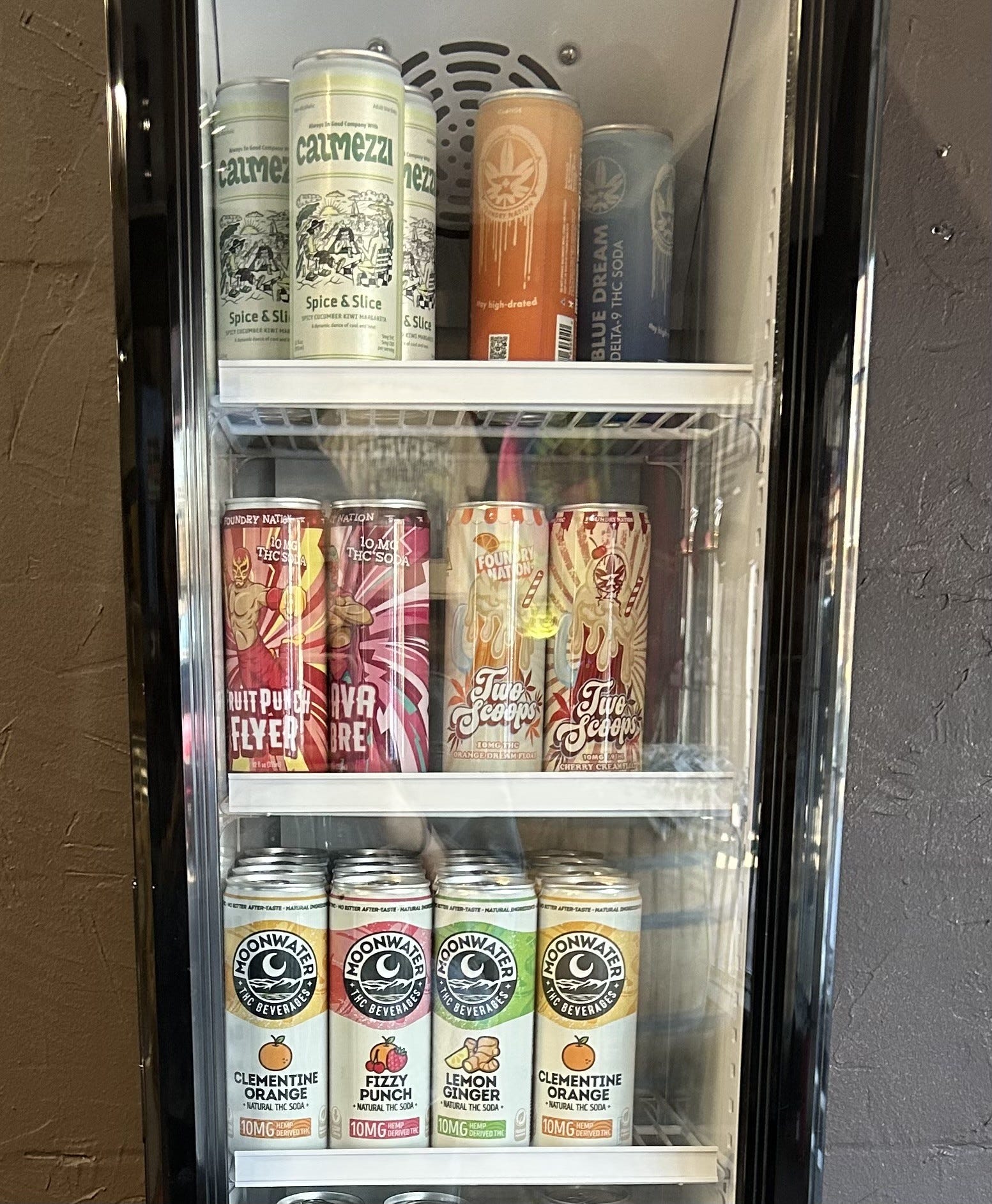
State Sen. Charles Perry (R‑Lubbock), who sponsored the 2019 hemp legalization bill, argues that SB 3 closes a loophole that allows THC‑infused gummies, beverages, vapes, and flower buds to be sold in dispensaries and convenience stores. Under SB 3, knowingly possessing THC products would be a misdemeanor punishable by up to one year in jail, while manufacturing or selling them could draw a felony carrying two to ten years of imprisonment. The bill also mandates child‑resistant, tamper‑evident packaging and prohibits marketing to minors.
House Bill 28 takes a different approach, targeting synthetic THC and products like gummies and vapes while allowing hemp‑infused beverages to remain legal under strict regulations — including a 21‑year‑old purchase age, advertising limits, and a daily cap of 10 milligrams of THC per person. The House has not yet voted on either measure, and any final law would require reconciliation between the chambers.
Impact on farmers and small businesses
Approximately 450 licensed hemp producers participate in the Texas Industrial Hemp Program, many of whom fear losing a substantial portion of their livelihood if SB 3 passes. Farmers note that the plant naturally produces trace THC, making it impossible to harvest a completely THC‑free crop for fiber, grain, or even non‑consumable uses such as clothing and paper.
Kyle Bingham, who describes himself as a “niche big farmer,” grows cotton and grapes on more than 2,000 acres, allocating five percent or less to hemp. He recalled his first hemp harvest bringing a sobering reality check: biomass sold for about $3.50 per pound, then fell to roughly 80 cents per pound due to oversupply.
“We assumed the price would drop by the time we got to market to below $2 a pound. But in reality, it dropped to about 80 cents a pound. There was a massive oversupply issue,” Bingham said.
The state projects that SB 3 would reduce general‑revenue funds by $19.3 million over the biennium — less than one percent of total state revenue — with annual losses of $450,000 for counties and $610,000 for transit authorities by 2027. Cities could see an average yearly decline of $2.1 million by 2030, primarily from lost taxable sales as THC‑focused businesses shut down.
Cynthia Cabrera, president of the Texas Hemp Business Council and chief strategy officer at Hometown Hero, urged lawmakers to weigh the broader consequences: “We are urging the Texas House to carefully consider the consequences of SB 3 and HB 28 on the tens of thousands of small businesses, farmers, and consumers who rely on the hemp industry.”
Agriculture Commissioner Sid Miller noted that interest in hemp has waned since the early boom. “We planted too much and had way too much product and no place to market it,” Miller said, adding that many farmers have already abandoned the crop, diminishing the potential impact of a THC ban.
Conversely, Zach Gauger, director of sales for Caprock Family Farms — one of the state’s largest hemp producers — argued that the industry has stabilized and is now valued in the billions, positioning it behind only cattle as a top Texas commodity. Gauger warned that a total THC ban would make it impossible for farmers to grow hemp profitably as an alternative crop, especially as the Ogallala Aquifer faces depletion in the next two decades.
“The time to diversify is now,” Gauger said. “Hemp extraction and consumption give us a way out of this cycle, not fiber.”
Calls for regulation instead of prohibition
Many growers advocate for a regulatory framework similar to that applied to vaping products: age restrictions, child‑resistant packaging, and limits on marketing to minors. Bingham pointed out that lawmakers left the hemp market largely unregulated, leading to the current concerns about youth access.
“The lawmakers didn’t regulate it, and now they’re unhappy with how it’s on the shelves. There weren’t a lot of rules. They didn’t put age limits on it. They didn’t put rules about child‑proofing or child‑resistant packaging,” Bingham said. “A large part of this industry has been asking for it, and we’re not getting it.”
Under SB 3, possessing an unregistered consumable hemp product would be a misdemeanor, while growers who skip the $500 permit fee could face a third‑degree felony. Bingham warned that the bill’s vague language could expose farmers to felony charges for crops planted legally in the spring but harvested after the ban takes effect.
“We’re looking at an industry that we hope is recovering and could provide value to the state, both from an economic impact and also creating jobs. We’d like to see all that hard work pay off, but we’re in a position where I’m not risking a felony for it. I’ll walk away before risking a felony,” Bingham added.
Some parents testified during committee hearings about children harmed by unregulated THC vape products, citing cases of cannabis‑induced psychosis and addiction. Lt. Gov. Dan Patrick warned that he would call an overtime legislative session if lawmakers fail to pass a ban.
Despite these concerns, farmers maintain that the solution lies in sensible regulation rather than outright prohibition. They argue that hemp’s versatility — spanning fiber, grain, CBD extracts, animal feed, biodegradable plastics, and more — offers a sustainable path forward if the state provides clear guidelines and processing infrastructure.
For readers seeking help with substance use, the Substance Abuse and Mental Health Services Administration’s free helpline is available at 800‑662‑4357, and regional services can be accessed through the Texas Health and Human Services website.
Tickets are on sale now for the 15th annual Texas Tribune Festival, Texas’ breakout ideas and politics event happening Nov. 13–15 in downtown Austin. Get tickets before May 1 and save big! TribFest 2025 is presented by JPMorganChase.
This article originally appeared in The Texas Tribune at Here.