

China has weaponized high‑altitude electromagnetic pulse (HEMP) technology, turning nuclear warheads into a non‑nuclear cyber strike that can blackout the United States’ power grid and cripple its military command network.
China’s High‑Altitude Electromagnetic Pulse (HEMP) Weaponry
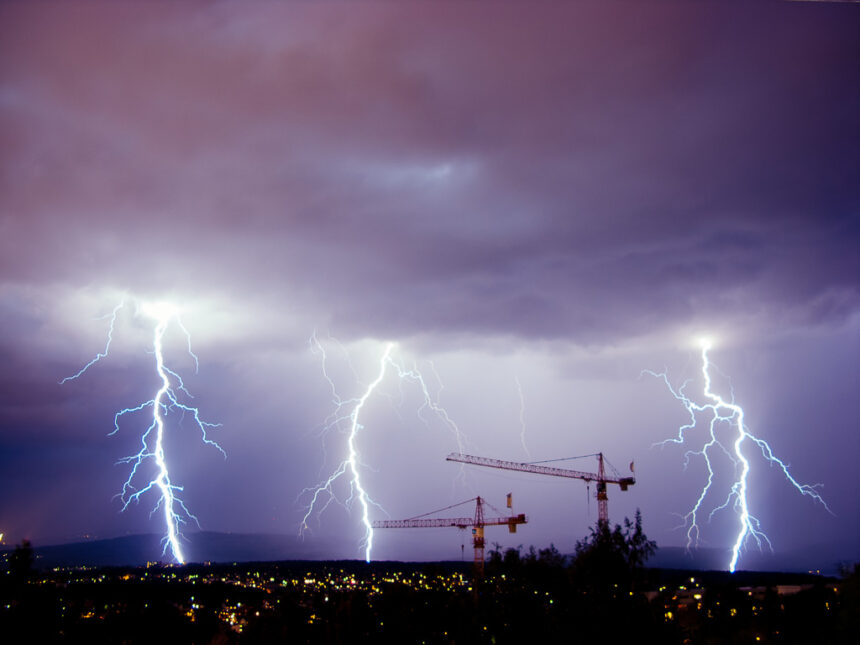
A HEMP detonates 30‑400 km above Earth, emitting three rapid electromagnetic pulses that can surge, surge, and sustain voltages comparable to lightning strikes. The first nanosecond pulse induces catastrophic failures, while the longer phases temporarily disable systems. With a 400‑km burst, the pulse covers roughly 2,200 km, enough to engulf the continental United States.
If such a pulse disables the grid, communications, navigation and water pumps, the United States would lose command‑and‑control, emergency response and essential services, putting millions of lives at risk. Cascading failures in SCADA‑controlled power plants could trigger nationwide blackouts, as modern grids rely on automated, interlinked electronic monitoring.
The PLA classifies HEMP as an “Assassin’s Mace,” a decisive weapon that neutralizes an adversary’s technological edge before conventional forces engage. Its sudden, high‑altitude impact blinds satellite networks and disables cyber infrastructure, giving China a rapid information advantage.
Although HEMPs are nuclear warheads, China treats them as cyber tools, lowering the threshold for first use and eroding traditional nuclear deterrence. PLA doctrine permits preemptive strikes with HEMPs, and the expanding DF‑26 and hypersonic missile arsenal provides delivery platforms that can reach U.S. territory with minimal warning.
U.S. military documents place HEMPs in the electromagnetic spectrum rather than nuclear warfare, leaving response options unclear. The Joint Chiefs of Staff treat HEMP attacks as cyber threats, authorizing a range of responses from conventional forces to nuclear retaliation.
The combination of a rapidly expanding Chinese nuclear stockpile and the vulnerability of U.S. critical infrastructure makes HEMP capability a destabilizing factor in any future conflict. Without robust hardening and credible deterrence, the risk of a sudden, civilization‑level blackout remains high.