

Cannabis use jumps 20% in states that legalize recreational sales, a new study reports.
Researchers surveyed 3,421 adults before and after 2014, when Colorado began selling recreational marijuana, and found usage rose about 20% in legalizing states compared with non‑legalizing ones.
The analysis also examined 111 identical twin pairs, each pair split between a legalizing and a non‑legalifying state, confirming a 20% increase among those living in legal markets.
Lead author Stephanie Zellers, a researcher at the University of Helsinki, said the 20% figure represents the most precise causal estimate because it controls for both measured and unmeasured variables.
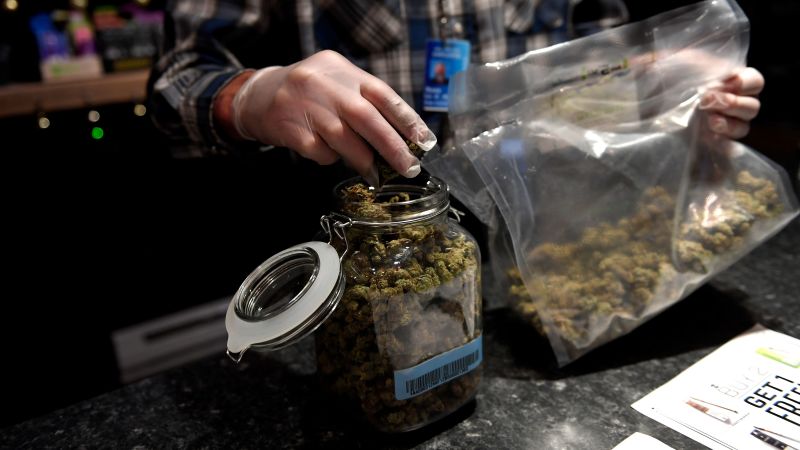
Easy access through numerous dispensaries, the absence of fines or jail time, and a shift in public perception that makes cannabis seem safer all likely drive the rise, Zellers added.
Dr. Nora Volkow, director of the National Institute on Drug Abuse, warned that increased use can raise the risk of chronic bronchitis, schizophrenia and cannabis use disorder, which afflicts about 30% of users nationwide.
While frequent use can alleviate nausea, vomiting and certain pain conditions, it provides only mild to moderate relief compared with prescription drugs, according to a June study in Annals of Internal Medicine.
Zellers said she plans further research on mental health and addiction outcomes as legalization spreads.
The findings underscore that legalization reshapes consumption patterns and should guide policies that balance benefits with potential harms.
It’s not black and white
Volkow said people often view cannabis as all good or all bad, but biology presents many shades of gray.
Frequent or prolonged use is linked to chronic bronchitis and schizophrenia, yet cannabis also shows efficacy for nausea, vomiting and pain relief.
More research is needed to fully understand cannabis safety and its impact on the body before drawing definitive conclusions.