
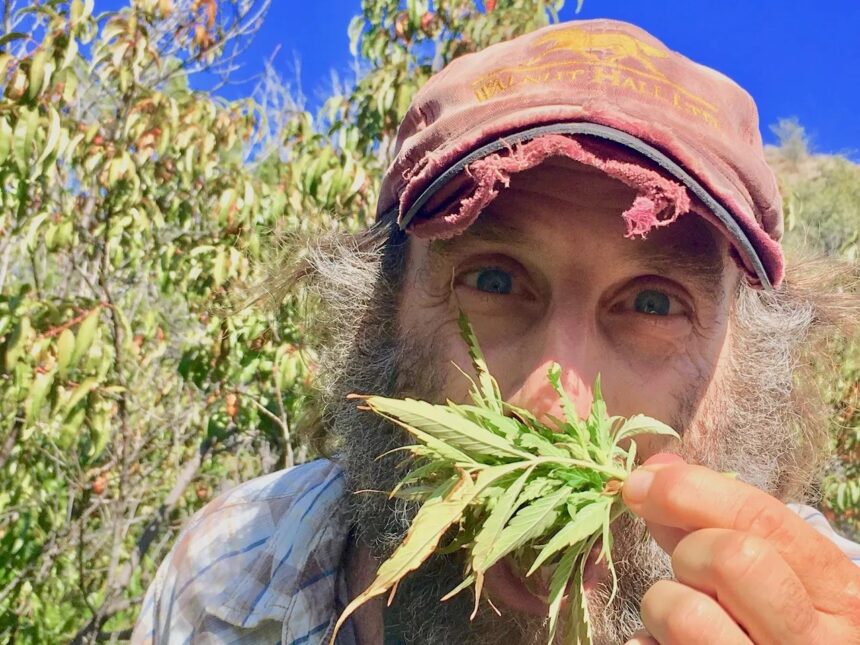
Former goat rancher Doug Fine will headline Denver’s NoCo Hemp Expo on March 28 to discuss his new book American Hemp Farmer, a guide to regenerative hemp farming.
A Decade of Change
Fine spent the last ten years transitioning from a goat ranch in New Mexico to full‑time hemp cultivation after a neighbor’s 2011 raid on cannabis plants sparked his interest in the non‑intoxicating cousin of marijuana.
He authored Hemp Bound in 2014, the first modern blueprint that outlined the economic and environmental potential of the entire hemp plant, and now he farms, manufactures products, and prepares to release American Hemp Farmer on April 25.
Policy and History
Hemp was legally defined as containing less than 0.3 percent THC in a 1976 Canadian paper, a threshold that does not reflect the plant’s 8,000‑year history as a single species cultivated for fiber, food, and medicine.
Regulatory confusion intensified when the 1930s federal tax stamp and a media‑driven smear campaign criminalized cannabis, effectively halting hemp production for decades despite its use in World War II materials.
Lessons for Farmers
Fine says regenerative hemp farming is the most enjoyable work a farmer can do, but adding value through direct‑to‑consumer marketing extends the work year‑round.
He emphasizes that farmers should retain a larger share of the retail dollar by selling through regional, organic cooperatives rather than wholesale dealers that historically capture most profits.
Industry Growth
The hemp sector became the fastest agricultural industry to surpass $1 billion in annual revenue after full commercial legalization, provided independent, regenerative farms thrive.
Fine warns that selling entire harvests to anonymous wholesalers undermines farmer earnings, urging consumers to purchase from local food co‑ops and farmers’ markets.
Future Outlook
Fine predicts the CBD gold rush will subside as the market matures, recommending whole‑plant products that showcase seed oil and flower together, marketed like premium cheese or wine.
He urges buyers to support farmer‑inclusive, regenerative enterprises and to demand supply chains powered by renewable energy, ensuring a sustainable hemp economy.
Advice for New Farmers
Fine advises aspiring growers to treat hemp farming as a calling, not a hobby, and to adopt regenerative practices that sequester carbon while securing profitable market links.
He calls on society to value farming again, noting that a resurgence in independent agriculture is essential for climate resilience and economic stability.