

CHICAGO — Advocates have sued Illinois officials to halt a new law that threatens the nascent hemp industry. They filed a lawsuit seeking a temporary restraining order and preliminary injunction.
On Thursday, the Illinois Healthy Alternatives Association asked a judge for a temporary restraining order and a preliminary injunction. The request targets Attorney General Kwame Raoul and other state officials, one week before the Illinois Hemp Act takes effect on Nov. 12.
The group seeks a pause on the Illinois Hemp Act, which would ban hemp-derived THC beverages and cannabinoid products outside licensed dispensaries. Advocates warn the ban could cripple breweries and other businesses that have shifted to these sales.
If successful, the lawsuit would block the state from reclassifying hemp products as cannabis and remove restrictive provisions, keeping the industry afloat. This action would preserve market access for hemp businesses.
The complaint states that the Act violates the Commerce Clause of the U.S. Constitution and contains other fatal defects. The plaintiffs argue these flaws undermine federal commerce authority.
Even if the lawsuit succeeds, a federal ban on intoxicating hemp products is slated for Dec. 11, with pending legislation that could push the deadline to 2028. The timeline creates urgency for industry stakeholders.
The industry employs thousands statewide and generated over $500 million in sales last year, including $30 million in state revenue, per the Illinois Healthy Alternatives Association. These figures highlight the economic impact of the sector.
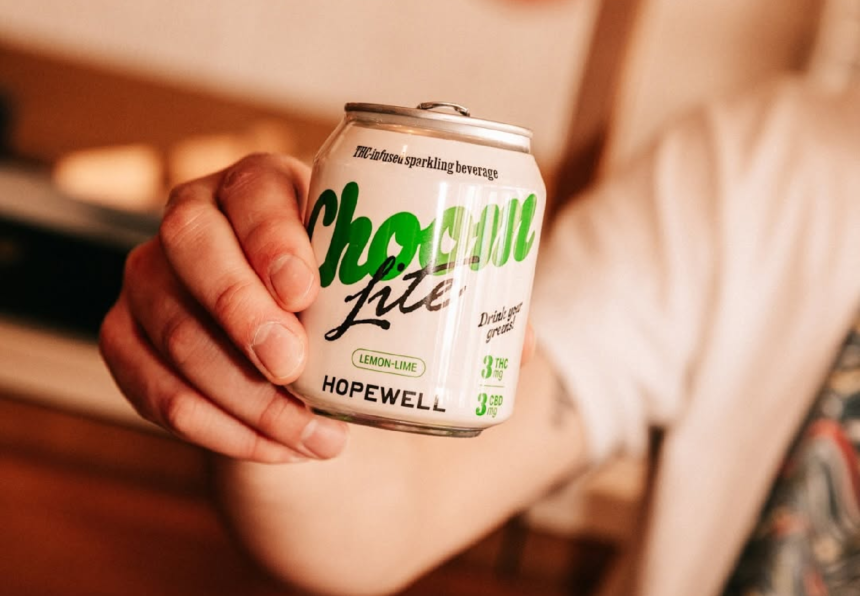
Hemp-derived THC beverages have become a lifeline for Chicago breweries such as Revolution, Hopewell and Marz amid a declining craft beer market. They provide new revenue streams as traditional beer sales slump.
Jonathan Fritz, co‑founder of Hopewell Brewing Co., warned that the ban would eliminate the THC beverage category that consumers have safely used. He added that the disruption would hurt responsible producers and businesses, and that legislators have failed them.
Hemp-derived THC products entered the market through a loophole in the 2018 Farm Bill, which legalized hemp cultivation. Though hemp and cannabis share the same species and contain delta‑9 THC, the law set a 0.3 % concentration limit that regulators assumed would prevent intoxication.
Companies concentrated THC to create beverages and gummies, expanding the market into states without legalized cannabis. This concentration method has driven rapid product innovation.
Critics say lax regulation has fueled a black market in smoke shops, where underage customers can access THC products. Authorities are now scrutinizing these unregulated sales.
Last year, Aldermen Marty Quinn and Silvana Tabares banned hemp product sales in their Southwest Side wards, but a citywide ban was vetoed by Mayor Brandon Johnson. The veto indicates ongoing political tension over hemp regulation.
Facing the impending ban, breweries are liquidating THC inventories and halting production, with some accepting the inevitable. Some firms are already exploring alternative product lines.
On Tuesday, Plift will host a “last call” fundraiser at Duffy’s Tavern and Grille to stage the largest simultaneous THC beverage toast before the ban takes effect.