

April 20, 2026: Cannabis Culture, Policy, and Market Trends
April 20, long celebrated as the unofficial focal point of cannabis culture in the United States, has matured into a multidimensional moment where activism, legislative debate, and commercial expansion intersect. The date now serves as a platform for advocates pushing for federal recognition, regulators refining state‑level rules, and businesses measuring the impact of seasonal demand spikes.
The Push for a Federal 4/20 Holiday
District Cannabis has launched a nationwide petition urging Congress to designate April 20 as an official federal holiday. The organization plans to present its proposal in an unconventional format—a giant, spliff‑shaped scroll—intended to highlight the cultural significance of the date while reinforcing the seriousness of the request. Supporters argue that formal recognition would acknowledge the plant’s role in American social history and open avenues for regulated celebration.
Policy Debate: Federal Rescheduling to Schedule III
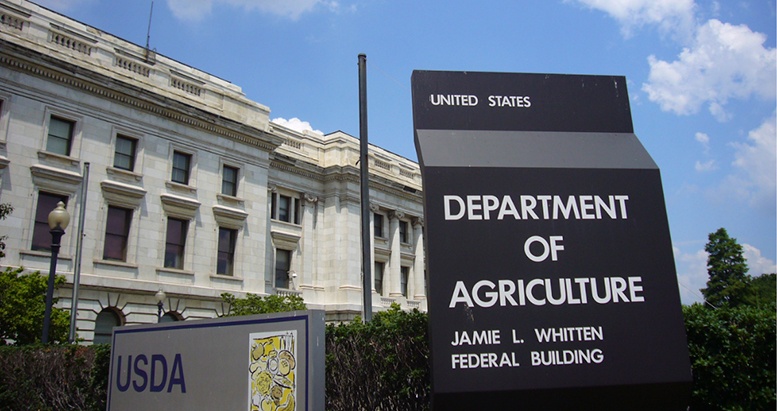
Advocacy groups such as MMJ International Holdings are leveraging the 4/20 spotlight to draw attention to the anticipated rescheduling of marijuana from Schedule I to Schedule III under the Controlled Substances Act. Analysts note that a Schedule III classification would facilitate research, standardize dosing for medical use, and align federal policy with the growing number of state‑legal markets. Industry observers suggest the shift could reduce banking barriers and stimulate further investment in cannabis‑derived therapeutics.
Federal Counter‑Messaging: DEA PSA Contest
In response to heightened public discourse, the Drug Enforcement Administration (DEA) has initiated a public‑service announcement contest targeting middle and high school students. The campaign encourages participants to create messages that emphasize potential risks associated with THC consumption, particularly around high‑visibility dates like April 20. Officials state the effort aims to balance the conversation by providing evidence‑based information on impaired driving, mental health considerations, and youth prevention.
State‑Level Developments: California and Nebraska
California continues to refine its cannabis framework. In 2026 the state enacted two notable regulations: one governing cannabis‑intended products for animals, capping THC at 10 mg per serving; and another tightening oversight of hemp‑derived extracts used in food and beverages, reflecting ongoing efforts to ensure product safety and accurate labeling.
Meanwhile, Nebraska is preparing for its inaugural medical cannabis harvest, projected for the fall of 2026. State officials have indicated that cultivation licenses have been awarded, although a definitive timeline for retail availability remains under review as regulators finalize testing and distribution protocols.
Cultural Shifts: Hippie Hill and Consumer Behavior
The iconic Hippie Hill gathering in San Francisco has been officially canceled for the third consecutive year due to budget constraints and limited corporate sponsorship. Despite the formal cancellation, organizers and local advocates anticipate that informal assemblies will still draw substantial crowds to the area, underscoring the resilient grassroots nature of the celebration.
Retail analytics reveal a notable shift in purchasing patterns. Data from Flowhub indicate that sales during the 4/20 weekend routinely exceed typical weekends by roughly 48 %. Moreover, pre‑rolled joints have surpassed traditional flower as the top‑selling cannabis category nationwide. Retailers also observe that transaction values on April 18 and 19 often outpace those on April 20, as consumers choose to stock up ahead of the holiday rush.
Industry Data: Sales Surge and Product Trends
Market research firms point to sustained growth across multiple sectors. Ancillary businesses—including packaging, testing laboratories, and compliance software—report double‑digit year‑over‑year increases, driven by heightened demand during the spring promotional window. Analysts suggest that the convergence of policy progress, consumer normalization, and innovative product formats will continue to shape the trajectory of the U.S. cannabis industry through 2026 and beyond.
For a deeper dive into the events and data shaping this year’s 4/20 landscape, refer to the original reporting Here.