
South Dakota Ends State‑Run Hemp Program, Shifts Oversight to USDA
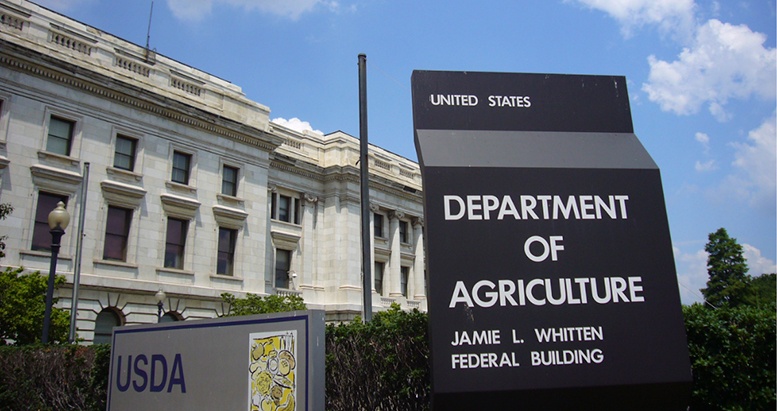
In early 2025 South Dakota lawmakers approved Senate Bill 39, which transfers responsibility for the state’s industrial hemp growers from the South Dakota Department of Agriculture and Natural Resources (DANR) to the U.S. Department of Agriculture (USDA). The bill was signed into law this week after state officials determined that the existing program was no longer financially viable.
Financial Drivers Behind the Shift
According to testimony from DANR, fees collected from hemp farmers covered only about 11 % of the program’s operating costs in 2025, leaving the remainder to be funded from the state’s general budget. By moving oversight to the USDA, South Dakota expects to eliminate license fees for growers, remove state‑level processor inspections, and save roughly $200,000 in taxpayer money annually.
Sharp Drop in Planted Acreage
The policy change comes amid a steep contraction in hemp cultivation. USDA data showed that South Dakota planted 3,900 acres and harvested 3,700 acres of hemp in 2024, making it the nation’s leading producer. By contrast, preliminary figures for 2025 indicate just 1,128 acres were planted—a decline of about 70 %.
South Dakota’s hemp sector has historically focused on grain and fiber rather than cannabinoid‑rich flower. Only a tiny fraction of acreage ever went to CBD or THC production, with the majority of fields dedicated to food‑grade seed, protein, and industrial fiber applications that many analysts view as the crop’s long‑term market.
What the Change Means for Growers
For producers, the shift to USDA oversight could reduce administrative burdens and eliminate state‑level fees. However, it also highlights the ongoing challenges facing the fiber and food segments of the hemp industry. Without a robust processing infrastructure and stable demand for grain‑based products, many growers continue to struggle to achieve profitability.
The state remains free to regulate hemp‑derived intoxicating products. Legislators have advanced Senate Bill 61, which would ban delta‑8 THC and other synthetic THC substances and cap total THC at 0.4 mg per container. That measure has not yet been enacted.
Broader Pattern in the Midwest
South Dakota is the third state to relinquish its state‑run hemp program after initially assuming authority under the 2018 Farm Bill. Wisconsin made a similar move in 2021, and Ohio allowed its licenses to expire at the end of 2025, forcing growers there to apply through the USDA. Michigan examined a comparable transition in 2025, but the proposal remains unfinished and the state continues to accept hemp grower registrations for 2026.
The convergence of fiscal pressures, declining acreage, and limited market development for non‑cannabinoid hemp uses suggests that the sector’s transition to a federally managed model may accelerate in other regions as well.
For more details on the original announcement, see the source: Here