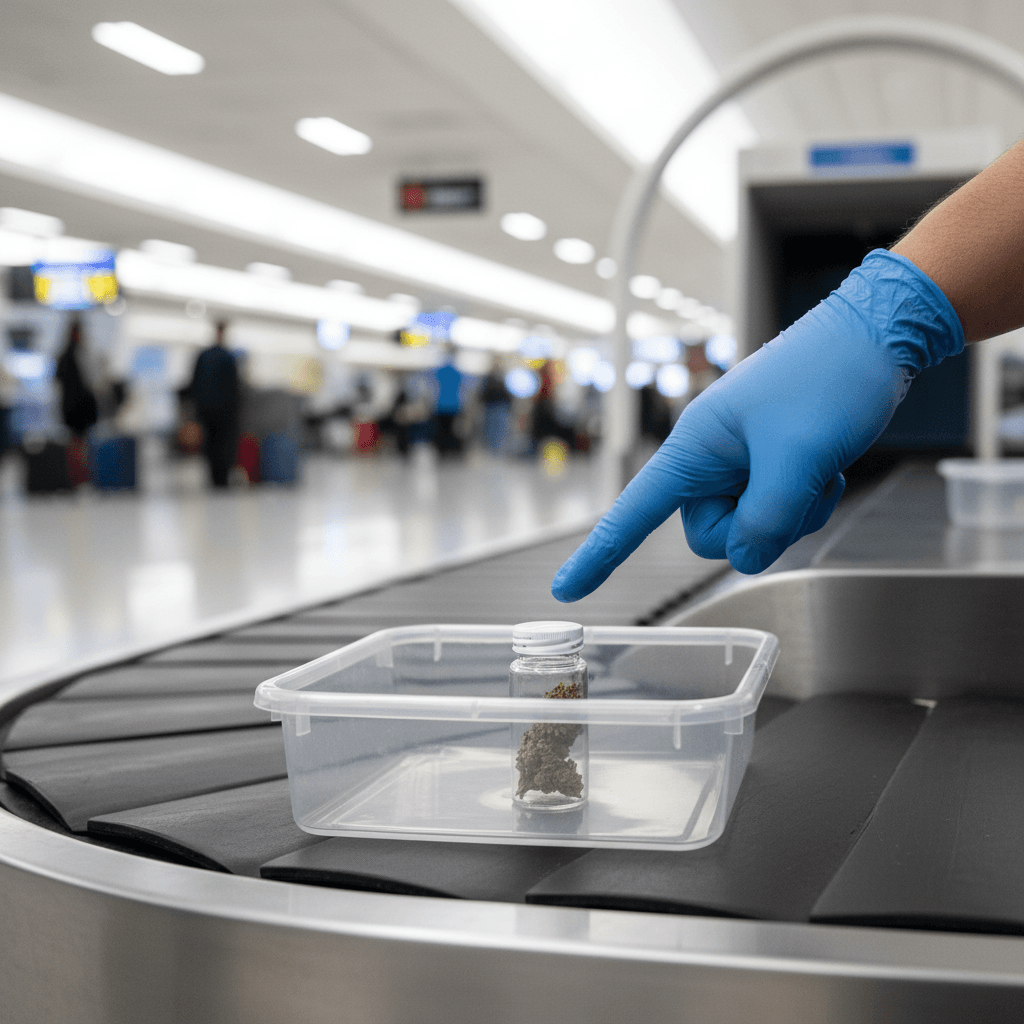


As societal attitudes toward cannabis continue to shift, a growing number of older adults are exploring its potential role in health and wellness. Seniors today face a unique set of challenges—chronic pain, sleep disturbances, anxiety, and the side effects of long‑term medication use—that have led many to look beyond conventional treatments. This article examines the current landscape of cannabis use among seniors, highlighting what the research says, the legal nuances to consider, and practical steps for safe, informed decision‑making.
Understanding Cannabis Use in Seniors
Historically, marijuana carried a strong stigma, especially for those who grew up during the era of strict prohibition. Yet, as more states have enacted medical and recreational cannabis laws, perceptions have begun to change. According to the Pew Research Center, roughly 55 % of U.S. adults now support legalization, and interest among those aged 65 and older is rising steadily. A National Institutes of Health (NIH) analysis showed that cannabis use in this age group more than doubled between 2015 and 2018, reflecting a notable shift toward acceptance.
This trend is driven largely by the desire to manage conditions that are common in later life—such as arthritis‑related joint pain, peripheral neuropathy, and insomnia—especially when standard therapies provide insufficient relief or cause unwanted side effects.
Medical Benefits and Research
Chronic Pain and Inflammation
The endocannabinoid system, which regulates pain perception and immune response, interacts directly with cannabinoids like THC and CBD. A 2022 study published in the Journal of Pain followed adults over 65 who used cannabis for chronic pain and reported an average reduction of 50 % in pain scores after three months of regular use. Similarly, a review in Frontiers in Pharmacology (2021) noted that cannabinoids can decrease inflammatory markers, offering a potential avenue for conditions like osteoarthritis.
Anxiety, Mood, and Sleep
Older adults often experience heightened anxiety and disrupted sleep patterns. Clinical trials have shown that low‑dose CBD formulations can lower anxiety scores without the psychoactive effects associated with higher THC concentrations. In a 2020 trial cited by the National Academies of Sciences, Engineering, and Medicine, participants aged 60+ who took a nightly CBD tincture experienced improved sleep onset and fewer awakenings compared with placebo.
While these findings are encouraging, experts stress that more large‑scale, longitudinal studies focused specifically on seniors are needed to establish optimal dosing regimens and long‑term safety profiles.
Legal Landscape and Access
State‑by‑State Variations
Cannabis remains classified as a Schedule I substance at the federal level, creating a patchwork of state laws. In states such as California, Colorado, and Illinois, seniors can obtain medical cannabis with a physician’s recommendation and access licensed dispensaries that offer a range of products. Conversely, states with more restrictive policies may only allow low‑THC, high‑CBD products or prohibit cannabis altogether.
Because legality influences both product quality and legal protection, seniors should verify the specific regulations in their state before pursuing any cannabis‑based therapy.
Talking to Healthcare Providers
Many physicians feel uncertain about discussing cannabis due to limited training or concerns about federal repercussions. However, organizations like the American Medical Association now encourage open dialogue, noting that informed conversations reduce the risk of adverse interactions and empower patients to make safer choices. Seniors are advised to bring a list of current medications, supplements, and any symptoms they hope to alleviate when speaking with their doctor.
Risks and Considerations
Side Effects and Drug Interactions
Common side effects include dizziness, dry mouth, and, in higher doses, temporary cognitive impairment. For older adults who may already be on blood thinners, antihypertensives, or sedatives, there is a risk of pharmacokinetic interactions—particularly with THC, which can affect liver enzymes responsible for metabolizing many prescription drugs. A 2019 review in Clinical Pharmacology & Therapeutics highlighted that CBD can increase circulating levels of certain anticoagulants, necessitating dose adjustments under medical supervision.
Dosage and Consumption Methods
The onset and duration of effects vary widely across delivery methods. Inhalation (vaping or smoking) provides rapid relief but may pose respiratory concerns, especially for those with lung conditions. Edibles and capsules have a slower onset (30 minutes to 2 hours) but longer-lasting effects, making dose titration more challenging. Tinctures taken sublingually offer a middle ground, with effects typically felt within 15‑45 minutes.
Guided by the “start low, go slow” principle, seniors should begin with the lowest possible dose—often 2.5 mg of THC or 5 mg of CBD—and wait to assess the response before increasing. Keeping a simple journal of dosage, timing, and effects can help both the patient and clinician fine‑tune the regimen.
Expert Insights and Resources
Guidelines from Medical Societies
The National Academies of Sciences, Engineering, and Medicine released a comprehensive 2017 report on the health effects of cannabis and cannabinoids, acknowledging modest evidence for chronic pain relief while calling for more research in older populations. More recently, the American Geriatrics Society has begun developing practice pointers that stress individualized assessment, documentation of consent, and monitoring for adverse effects.
These guidelines underscore the importance of treating cannabis as any other therapeutic agent: evaluate benefits, weigh risks, and involve qualified healthcare professionals in the decision‑making process.
Helpful Resources for Seniors and Caregivers
Several reputable platforms offer senior‑focused information:
- NORML – provides state‑specific legal summaries and a library of scientific studies.
- Leafly – includes strain guides, user reviews, and dosage calculators.
- Cannabis & Aging – a nonprofit dedicated to education and research on cannabis use among older adults.
These sites frequently update their content to reflect legislative changes and emerging clinical data, making them valuable tools for staying informed.
Conclusion
Cannabis presents a promising, yet complex, option for seniors seeking relief from persistent health challenges. The growing body of research supports its potential to alleviate pain, improve sleep, and reduce anxiety, but the evidence base remains evolving. Navigating state laws, understanding possible drug interactions, and selecting appropriate consumption methods are essential steps toward safe use.
By fostering open conversations with healthcare providers, consulting trustworthy resources, and approaching dosing with caution, older adults can make informed choices that align with their wellness goals. As societal acceptance continues to mature, the hope is that seniors will have clearer pathways to access cannabis responsibly—should they choose to incorporate it into their health regimen.
For further reading on this topic, see the original source: Here.