

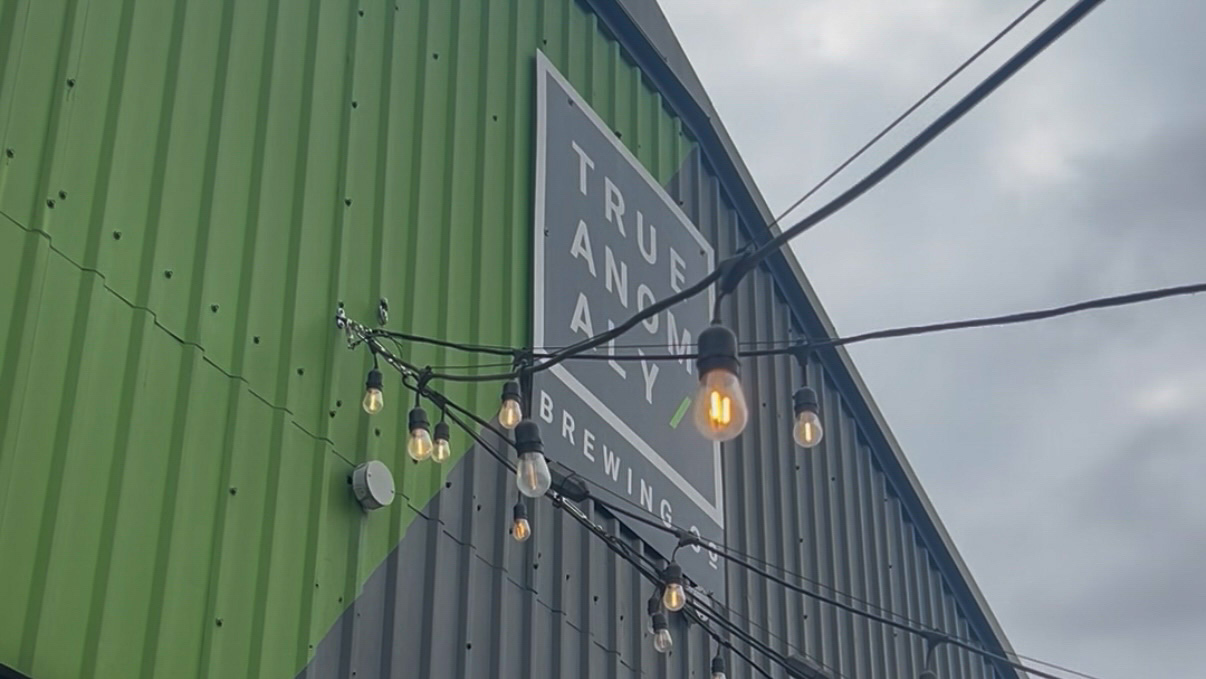
Houston Craft Breweries Face Headwinds as Drinking Habits Shift
Anna Y. Monroe
The craft brewery True Anomaly in Houston closed its doors last month after seven years in business.
With drinking habits changing quickly, some breweries are closing as sales decline, and remaining businesses are forced to adapt.
At the height of the industry in 2023, more than 10,000 breweries were serving customers nationwide. However, last year, more than 400 businesses closed in the U.S., marking the industry’s greatest single‑year loss.
In Houston, seven popular breweries have closed recently, the newest being True Anomaly, which shut its doors in April.
Experts and brewery owners point to several factors for the decline, including changes in drinking habits, rising operating costs, and the growing popularity of alternatives like THC drinks.
Health and Wellness Impact Sales
A survey conducted last summer by Gallup revealed that alcohol consumption hit a record low in the United States. According to the survey, nearly 66% of younger adults felt that even drinking in moderation was bad for their health.
Mackenzie Sills, 23, graduated from the University of Houston last year. She said she quit drinking for the sake of her mental and physical health.
“I think a lot of our generation, too, they’re just more focused on working out and being outside, more of a health‑conscious generation,” Sills said.
According to the Global Wellness Institute, the health and wellness market is now worth more than $6 trillion and is expected to exceed $9 trillion within three years.
Robert Eichenlaub, owner of Eureka Heights Brewery, pointed to the shift — along with the rising use of GLP‑1 medications such as Ozempic and Mounjaro — as factors contributing to the craft beer industry’s recent decline.
“They become more prevalent the past couple of years,” Eichenlaub said. “So, if you are actively on these medications, you’re not going to be drinking as much as you used to. And it’s also your appetite for alcohol is diminished. That’s one of the effects of these drugs.”
Eichenlaub said the slowdown in customers has been accompanied by an increase in costs.
The Rise of THC Products
The decline in sales at the beginning of 2024, which Eichenlaub tied to Dry January, never rebounded.
“We started looking at whatever alternative beverages we can make,” he said. “We started looking at what’s happening in the market with other brands.”
That’s when he noticed the surge in demand for THC drinks — a non‑alcoholic cannabis‑infused option containing Tetrahydrocannabinols (THC), the primary psychoactive component of cannabis.
In hopes of tapping into the new consumer base, Eichenlaub said his company released a new THC cocktail.
According to Gallup, marijuana use has doubled among young adults and THC sales are projected to reach $5 billion by 2028.
Anna Y. Monroe
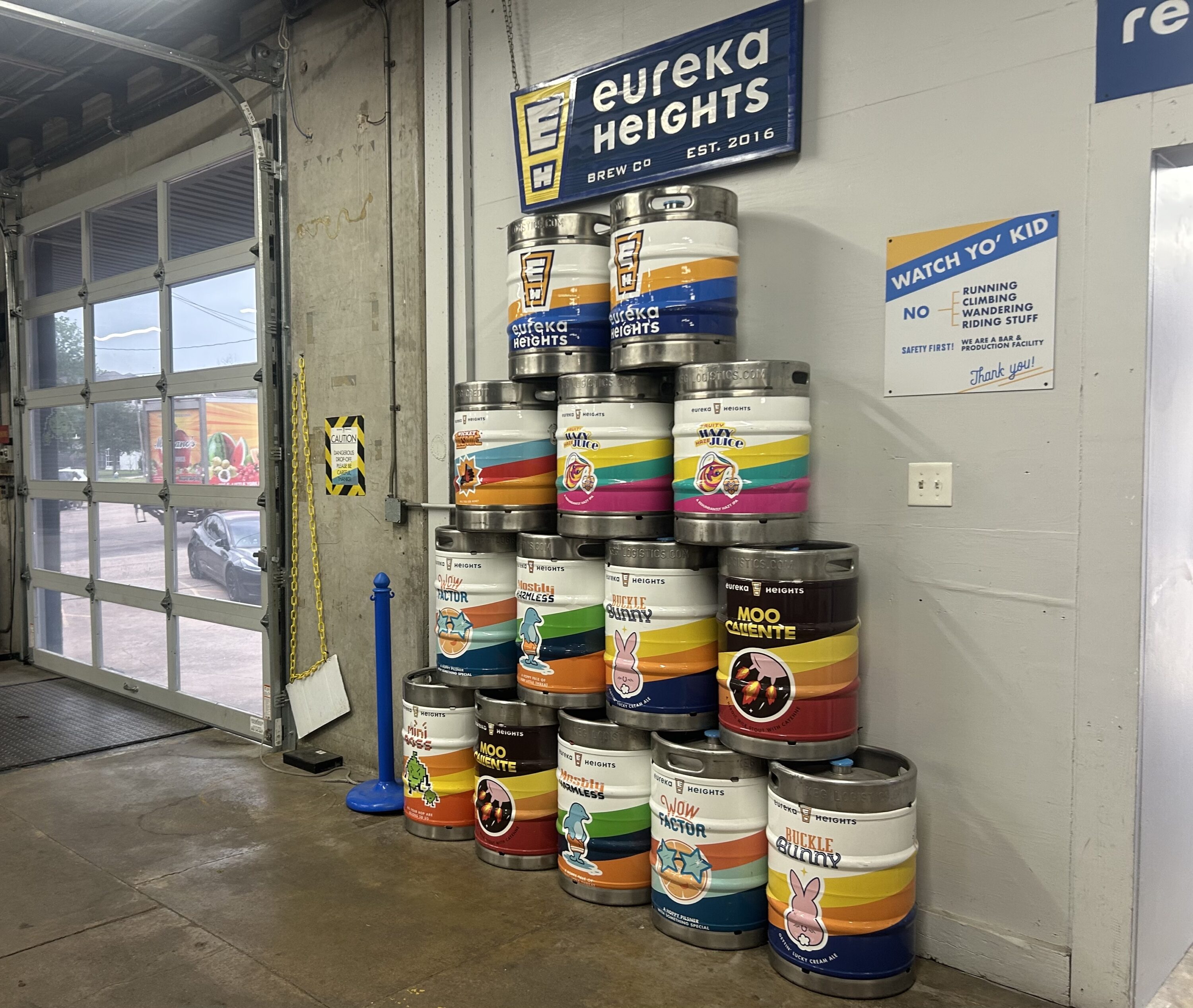
A Eureka Heights Brewery display.
In Texas, the THC industry has already seen limitations with recent legislation. On March 31, the Texas Department of State Health Services banned the sale of smokable hemp products. However, a district judge later paused the ban after Texas‑based dispensaries sued.
All hemp‑derived products are also facing a pending federal threat as the Farm Bill loophole — which allows the sale of some hemp‑derived THC products — is set to close in November. Eichenlaub said he isn’t too worried about it but is keeping an eye on updates.
While acknowledging the risks this new beverage poses to the brewery, Eichenlaub said the brewery has navigated the challenges of alcohol regulation and will happily navigate any new THC‑related regulations.
He says it’s cheaper and faster to make and hopes it works better with the wellness crowd.
“It is effectively flavored water, right? So, there’s no alcohol whatsoever in it, so it’s kind of our version of a NA product,” Eichenlaub said.
New Magnolia Brewery Company owner Shayn Robinson said his company is doubling down and does not want to stray from its roots in beer.
“I think where a lot of breweries make their mistakes is that they chase trends,” Robinson said.
He said he’s staying focused on their current craft‑drinking customers, which he says mostly land between 30 and 40 years old.
Robinson believes the change in culture could be the culprit. He said COVID‑19 plays a major role in how this new generation socializes, or, in his opinion, doesn’t.
“So, I think that it’s not gonna stay this way,” Robinson said. “You know, we saw the seltzers. Hard seltzer craze kind of really got big during Covid and it continued. Lots of brands jumped in. A lot fell off.”
He said the pandemic pushed people to normalize drinking at home, creating a pattern among younger audiences. According to him, drinking is meant to be a social activity, and there isn’t much of that among Gen Z.
“This is the lowest alcohol consumption rate in North American history that we’re living through right now,” Robinson said.
Inflation in the Market
While companies are struggling to find people to buy their products, those products are becoming more expensive.
City Orchard, a Houston cidery, has its own orchards in New York, where the apples are grown for the products.
Patrick Kwiatkowski, co‑founder of City Orchard, said everything is getting more expensive. From gas for farming, chemicals for fertilizers, to their aluminum cans. He said this has affected their business just like everybody else’s, and they’re trying not to pass along the extra costs.
“We can’t really jack up our prices that much in the market because there’s competition,” Kwiatkowski said.
Anna Y. Monroe/HPM
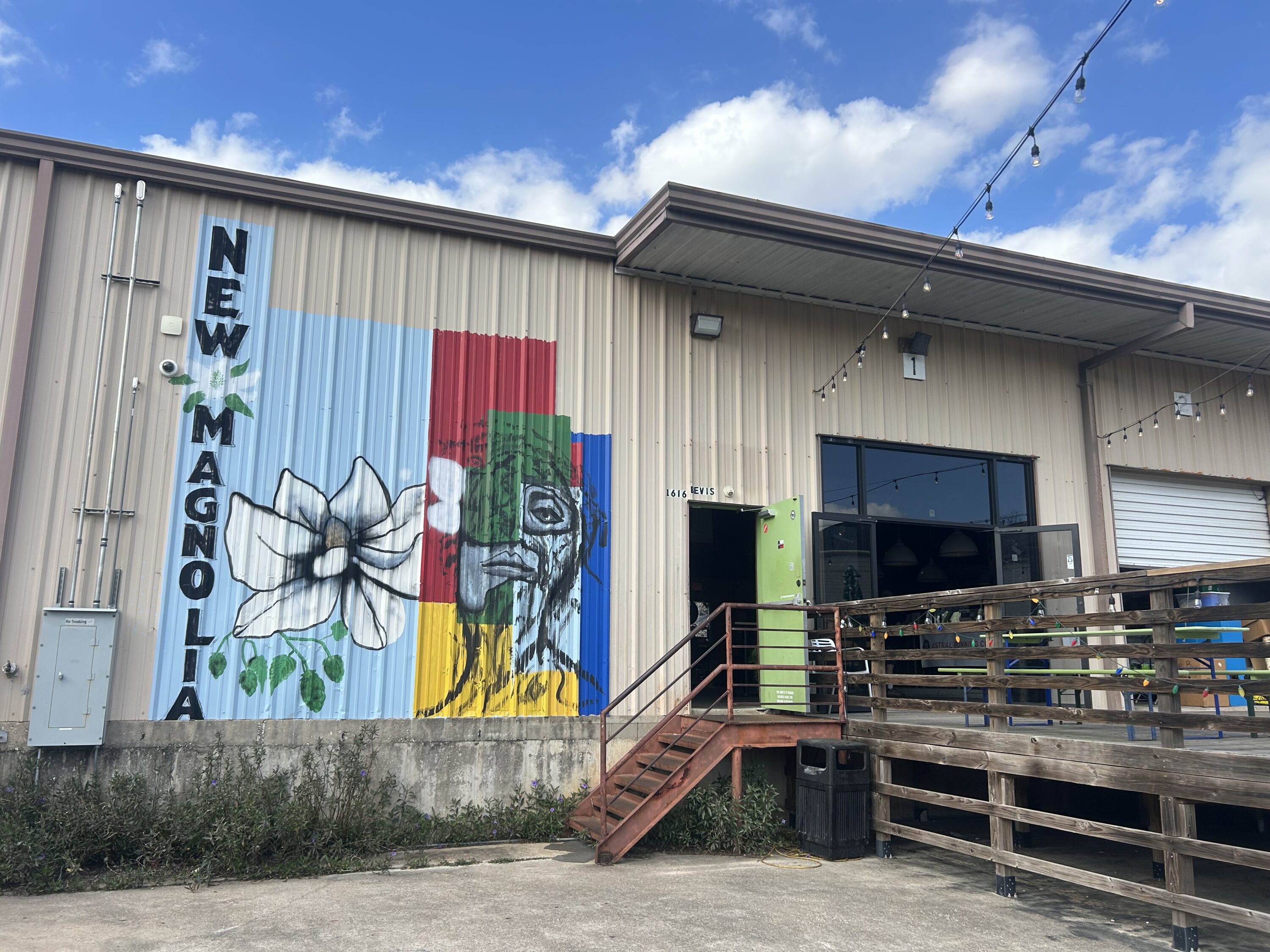
The New Magnolia Brewery in Houston.
The brewing industry is known for its distinctive styles, providing a tap wall full of choices. According to Robinson, all of these options will make or break a market. With rising costs, customers don’t have the money to try something new.
“They don’t want to take a risk on a new beer, because that beer is now $13 a six‑pack. It used to be $7.99,” Robinson said.
He said that costs have gone up about 40% for brewers.
“Our distributors have increased their margins, so everybody now is taking a bigger chunk of that six‑pack,” Robinson said.
Over the next few years, the U.S. beer industry is predicted to grow, driven by new low‑calorie beverages among younger generations and health‑conscious demographics.
Robinson said brewery owners are in for the long haul as the market fluctuates, but many fans know the industry is not going anywhere.
“There’s plenty of audience, like, pie for all of us breweries to eat out of it’s just like the size of the slices of pie just kind of morph over time,” Robinson said.
For more in‑depth coverage, see the original reporting Here.
![[Event] Cannabis Law Institute 2026 – June 17th – 18th, Chicago, IL | International Cannabis Bar Association (INCBA)](https://jdsupra-static.s3.amazonaws.com/profile-images/og.15986_2340.jpg "[Event] Cannabis Law Institute 2026 – June 17th – 18th, Chicago, IL | International Cannabis Bar Association (INCBA)")