
Key Takeaways
Traveling with cannabis has become more common as more states move toward legalization, but the patchwork of federal, state, and local rules still creates complexity. Here’s a concise summary of what you need to know:
- Medical cannabis is permitted on flights. As of May 19, 2026 the TSA updated its guidance to allow travelers with a valid medical marijuana card to bring cannabis on board.
- Never consume before driving. There is no safe level of THC for operating a vehicle; save any use for after you arrive.
- Know the laws everywhere you’ll go. This includes every state and municipality you’ll pass through, not just your final destination.
- Flying remains technically illegal but low‑risk from legal states. Keep quantities under an ounce, leave metal grinders and glass containers at home, and store vape batteries in your carry‑on. If you depart from a prohibition state, leave the cannabis behind.
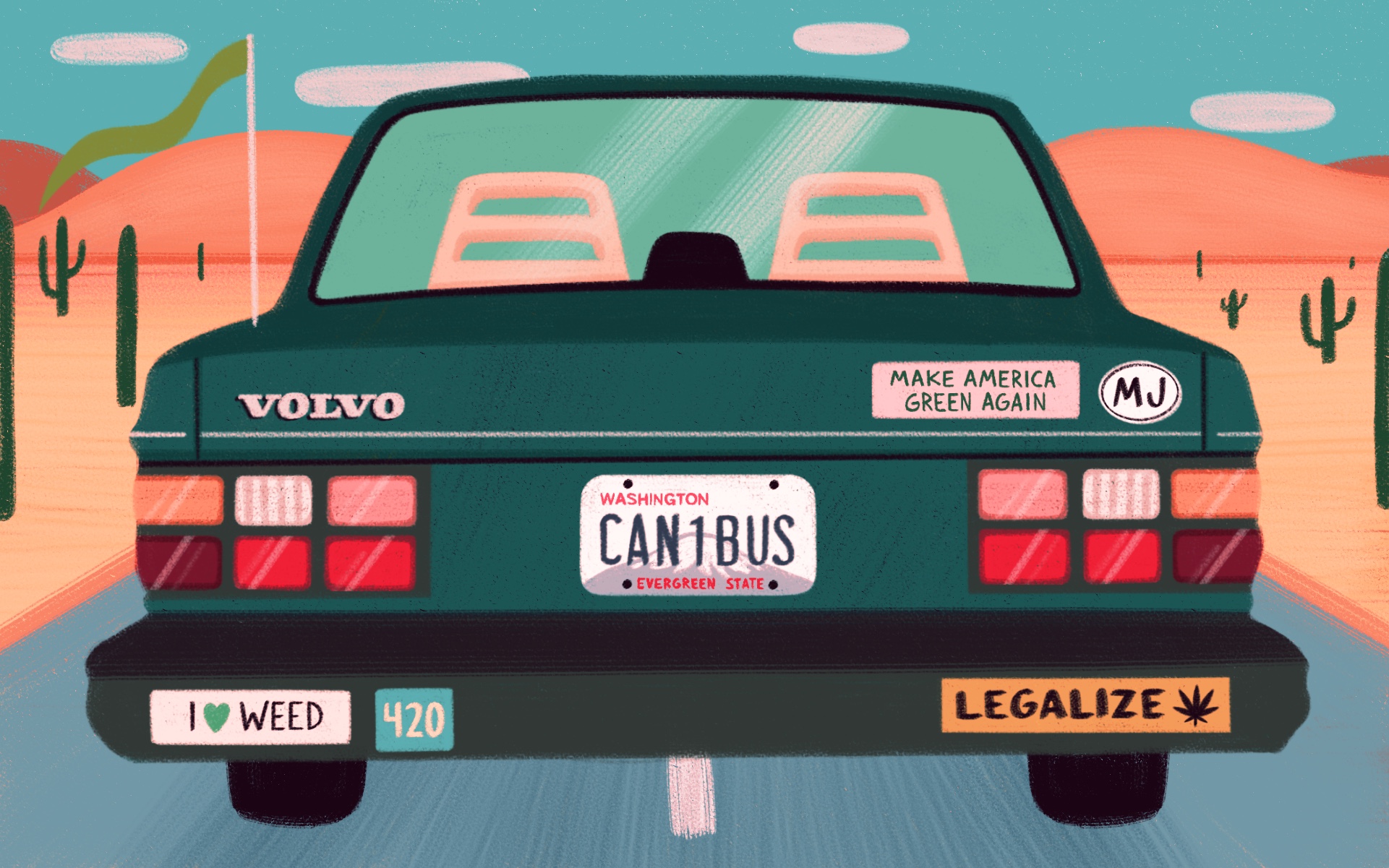
- Driving? Treat weed like alcohol. Store it in a sealed, smell‑proof container in the trunk, out of reach of the driver, and follow all standard safe‑driving practices.
- National Parks are federal land. Cannabis possession or use is prohibited and can result in fines, probation, or even jail time.
- International travel carries the highest risk. Most countries have far stricter policies than the U.S. or Canada; in many cases you could face arrest.
- Hotels, Airbnb rentals, and hostels set their own rules. Edibles are usually tolerated, while smoking or vaping often is not—check the property’s policy before you light up.
- Quality gear matters. Invest in a truly smell‑proof case, a travel‑friendly vaporizer, and a sturdy stash box to reduce odor and protect your product.
Always Know the Rules
The first step in any cannabis‑friendly trip is researching the laws that apply to each leg of your journey. While state statutes may permit possession, local ordinances can differ dramatically—some cities fine public consumption, while others treat it as a low‑priority offense. Consulting a reliable, up‑to‑date resource such as Leafly’s Legalization Guide helps you avoid inadvertent violations that could lead to fines or legal complications.
Tips for Flying with Cannabis
(CSA-Printstock/iStock)
Airports represent the highest level of security most domestic travelers encounter. Even so, flying with cannabis is often low‑risk when you depart from a state where recreational or medical use is legal. The TSA’s May 19, 2026 update explicitly permits medical marijuana patients to travel with their medication, though the exact allowable quantity remains unspecified. If you hold a medical card, bring it with you to show authorities if questioned.
For travelers without a medical recommendation, cannabis remains a federally illegal substance, and the TSA is a federal agency. In practice, agents rarely search for small amounts of weed, but if it is discovered during a secondary screening they must refer the matter to local law enforcement. In a legal state, police typically issue a warning or minor citation; in a prohibition state the same discovery could lead to arrest.
Keep a Low Profile
To reduce the chance of a search, avoid items that trigger scanners—metal grinders and glass jars are common culprits. Store vape batteries in your carry‑on, as they pose a fire hazard in checked‑luggage compartments. Limit your flower to under an ounce (or the legal possession limit for your departure state) to stay well within most state thresholds and leave more room for souvenirs.
Tips for Driving with Cannabis
Driving offers a comparatively low‑stress way to transport cannabis, especially when your route avoids prohibition states. Still, a few precautions keep you on the right side of the law.
Begin by reviewing the transportation statutes for every state you’ll cross. Many jurisdictions treat cannabis in a vehicle much like an open container of alcohol: it must be sealed, odor‑contained, and placed out of the driver’s immediate reach—ideally in the trunk.
Quantity limits that apply to air travel also apply on the road; carrying more than an ounce can raise suspicion of intent to distribute. If you anticipate needing larger amounts, plan a stop at a licensed dispensary along your route.
Be a Model Driver
Beyond proper storage, the best way to avoid attention is to drive responsibly. Observe speed limits, use turn signals, ensure brake lights are functional, and keep your registration and insurance current. A clean driving record makes you less likely to be pulled over, which in turn reduces the chance that any cannabis in your vehicle will be discovered.
Camping with Cannabis
(Sasha Beck/Leafly)
National Parks fall under federal jurisdiction, where cannabis remains illegal regardless of state laws. Penalties can include substantial fines, probation, and, in rare cases, incarceration. If your itinerary includes a park, it’s safest to leave your cannabis at home.
Private campgrounds set their own policies, so review the rules before you pitch a tent. Store any edibles securely to avoid attracting wildlife, and fully extinguish any flames or embers after use to protect the surrounding ecosystem.
Traveling Internationally with Cannabis
Taking cannabis abroad is the riskiest scenario covered here. While a few nations—such as Mexico, Germany, and the Netherlands—have relaxed policies, the majority of countries enforce strict prohibitions. Being caught with marijuana overseas can lead to arrest, imprisonment, and limited consular assistance. Unless you have a clear, verified legal exemption, the safest approach is to leave your stash at home.
Using Cannabis in a Hotel
(filo/iStock)
Once you’ve checked into lodging, remember that the property owner determines what is permissible on the premises. Many hotels, Airbnb rentals, and hostels prohibit smoking or vaping indoors, though they often allow edibles. Always consult the establishment’s website or contact the front desk for their specific cannabis policy to avoid fines or possible involvement of local authorities.
Conversely, a growing number of “cannabis‑friendly” accommodations welcome consumption and may even provide vaporizers, dab rigs, or curated strains. Properties like Sonoma County’s Mine + Farm Inn exemplify this niche, offering a setting where guests can enjoy cannabis openly and legally under the venue’s license.
Gear Up
Modern travel accessories have made it easier than ever to transport cannabis discreetly and safely. Smell‑proof cases, odor‑neutralizing bags, compact vaporizers, and durable stash boxes help contain aroma and protect your product from damage. Investing in high‑quality gear not only reduces the likelihood of detection but also preserves the potency and flavor of your flower or concentrates.
The Leafly Picks team’s 2026 roundup of travel weed gear highlights options that balance discretion, durability, and ease of use—worth reviewing before you set out.
For more detailed guidance, consult the original Leafly article: Here.