
State‑Level Regulatory Dynamics
Virginia Governor Abigail Spanberger (D) vetoed a bill that would have legalized recreational marijuana sales, explaining that the legislation moved too quickly and proposed an excessively high number of dispensaries across the state. Her decision has caused companies such as Jushi to hold off on planned expansions in Virginia, a development noted by Marijuana Moment.
In Pennsylvania, the Republican nominee for lieutenant governor, Jason Richey, warned that legalizing marijuana would be “catastrophic.” He argued that it would strengthen the illegal market, suppress job growth, and raise public‑health concerns including more impaired‑driving incidents, mental‑health challenges, and emergency‑room visits.
Maryland Governor Wes Moore (D) highlighted his administration’s mass marijuana pardons during a address at the Center for American Progress conference, emphasizing efforts to address past convictions related to cannabis possession.
Illinois lawmakers have introduced a package of bills aimed at revising various cannabis regulations, signaling that the state continues to fine‑tune its regulatory framework after the initial rollout of adult‑use sales.
Washington State regulators are moving forward with legislation that allows cannabis producers to form cooperatives and agricultural associations, a measure intended to give small growers greater market access and bargaining power.
Minnesota’s cannabis oversight agency suspended testing operations at a state‑licensed laboratory after officials cited unresolved security and testing‑requirement issues, pausing product safety checks pending corrective action.
Delaware’s top cannabis regulator said pending legislation would limit the sale of THC‑infused beverages to licensed liquor stores, marijuana dispensaries, and microbreweries, aiming to keep such products within established retail channels.
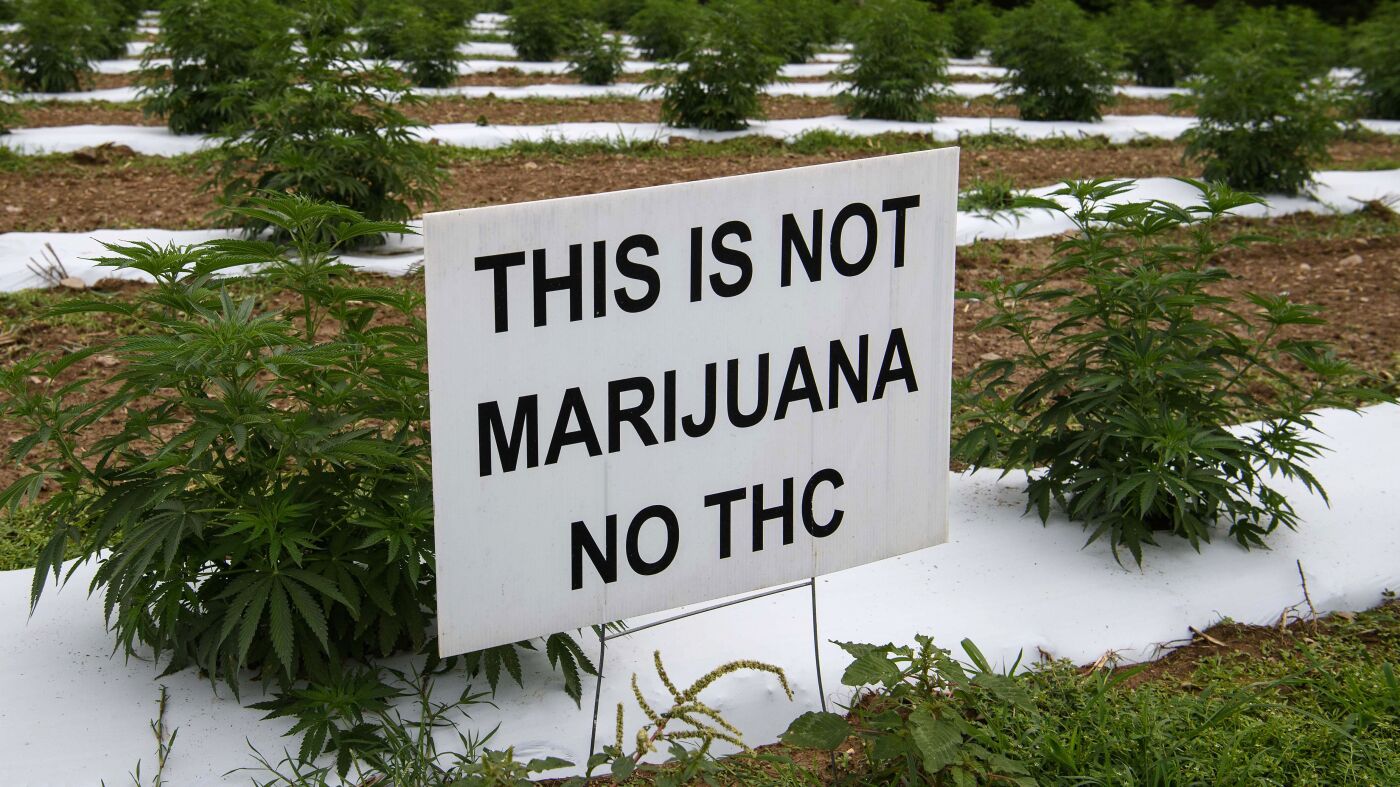
New Jersey regulators released guidance on overseeing hemp‑derived THC products, reflecting a broader national trend of increased scrutiny on cannabinoids that originate from industrial hemp rather than marijuana.
Federal Actions and Economic Considerations
The Drug Enforcement Administration has taken enforcement steps against unlicensed marijuana dispensaries operating in New York, illustrating ongoing federal scrutiny of state‑level markets that remain outside the licensed system.
An attorney representing a physician who petitioned to reschedule psilocybin urged the Department of Justice to accelerate the review, citing a recent executive order on psychedelics issued by President Donald Trump. Meanwhile, Oregon regulators opened applications for a Psilocybin Services Rules Advisory Committee to help shape future therapeutic use guidelines.
National Institute on Drug Abuse Director Nora Volkow discussed the therapeutic promise of psychedelics, including a site visit to an ibogaine clinic, highlighting growing federal interest in researching these substances for mental‑health applications.
The National Transportation Safety Board released a report showing a rise in positive marijuana tests among aviation personnel, a finding that has prompted discussions about workplace safety standards and testing protocols in safety‑critical industries.
The Congressional Research Service incorporated an analysis of hemp laws into a broader Farm Bill report, underscoring continued federal attention to industrial hemp policy and its intersection with cannabis regulation.
Justin Leiby, who conducts the annual business survey for the Illinois Cannabis Regulation Oversight Office, warned that rising tariff costs are eroding the financial benefits that businesses receive from Section 280E tax relief, particularly affecting cultivators and processors that rely on those deductions.
Therapeutic Research and Market Performance
A survey of arthritis patients found that roughly one‑in‑four already use cannabis to manage symptoms, with many reporting perceived reductions in pain and improved sleep quality.
A review of clinical trials concluded that psilocybin‑assisted therapy shows promise as an investigational treatment for depressive disorders, noting a rapid onset of effect and potential medium‑term benefits for a subset of participants.
Retailers in New Mexico have reported cumulative legal marijuana sales exceeding $2.2 billion since the state launched recreational sales in 2022, indicating steady market expansion and sustained consumer demand.
Disclaimer: This article is for informational purposes only and does not constitute medical advice. Hemp Gazette does not provide medical recommendations, diagnoses, or treatment plans. Always consult a qualified healthcare practitioner before making any decisions regarding your health or any medical condition. Statements concerning the therapeutic uses of hemp, cannabis, or cannabinoid‑derived products have not been evaluated by Australia’s Therapeutic Goods Administration (TGA). Medicinal cannabis products in Australia are accessed via prescription pathways under TGA regulation.
For more details on the Virginia veto and related developments, see the original report Here.