
Understanding Hemp, Cannabis, and Marijuana: Definitions, History, and Upcoming Regulations
The plant known scientifically as Cannabis sativa generates considerable confusion because legal, cultural, and scientific discussions use overlapping terms such as hemp, marijuana, and cannabis. Clarifying these distinctions helps consumers, producers, and policymakers navigate an evolving landscape shaped by federal law, state policies, and emerging market trends.
Botanical Basics: One Species, Different Expressions
Both hemp and marijuana belong to the same species, Cannabis sativa. Botanists often treat them as subspecies or varieties that differ primarily in their chemical profiles and physical traits.
According to Kelly Vining, an associate professor of horticulture at Oregon State University who studies hemp genomics, the plant’s cannabinoids—including delta‑9‑tetrahydrocannabinol (THC) and cannabidiol (CBD)—are produced through a shared biosynthetic pathway. Specific enzymes convert precursor molecules into THC, CBD, or other cannabinoids.
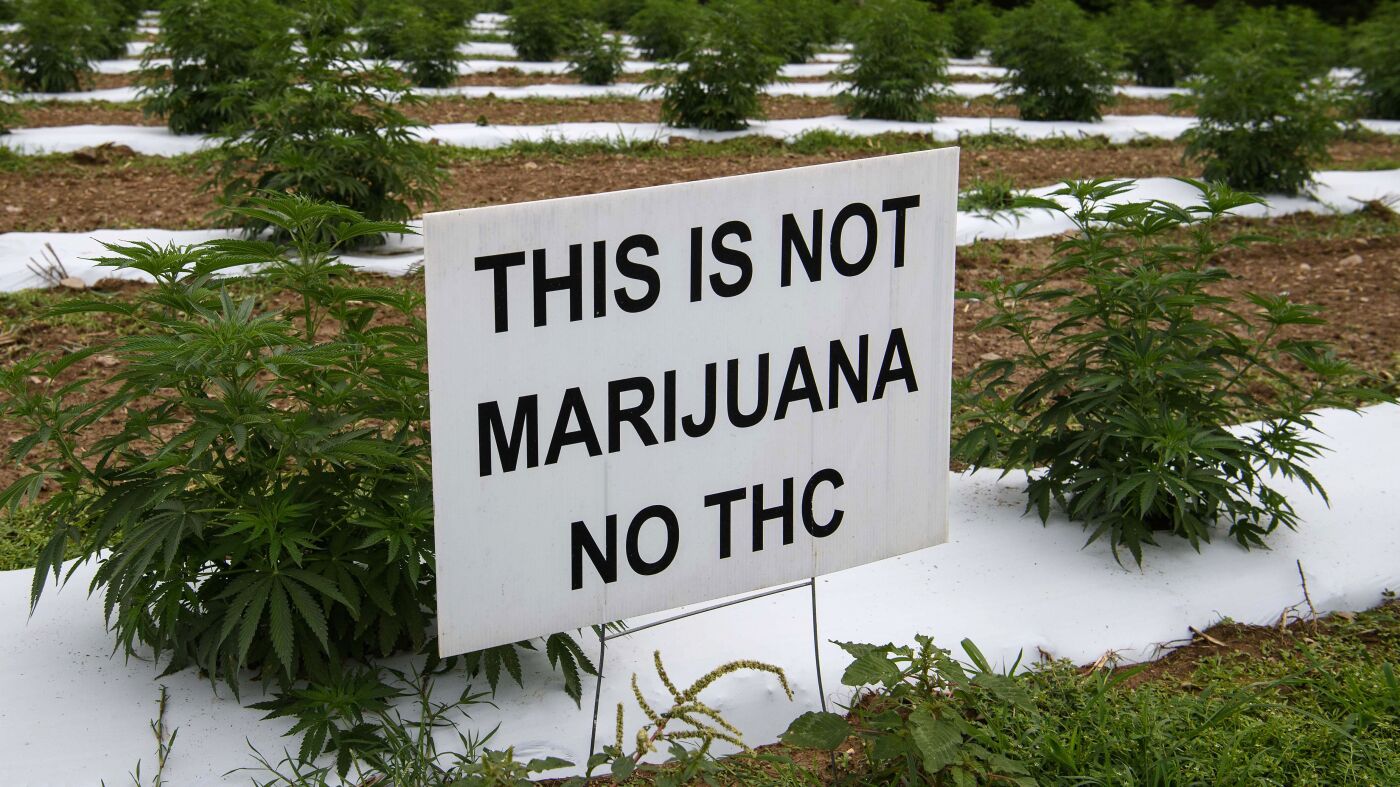
Hemp varieties have been selected over centuries for tall stalks, strong fibers, and seed production, resulting in low THC content. Conversely, drug‑type cannabis plants are typically shorter, bushier, and cultivated to maximize resinous flowers rich in THC.
Historical Role of Hemp in the United States
Industrial hemp was a foundational crop in colonial America. Records show it was cultivated in New England as early as 1629, and colonies such as Virginia incentivized its growth while penalizing farmers who omitted it from their rotations.
Historian S.S. Boyce noted in a 1900 publication that hemp supplied rope, sails, clothing, and twine for baling cotton and other commodities. Importantly, there is no evidence that psychoactive use of the plant was widespread during this period; as author Nick Johnson explains, “Nobody was smoking weed in George Washington’s time.”
Emergence of Drug‑Type Cannabis
The psychoactive form of cannabis traces its origins to the Hindu Kush region of Afghanistan, where high‑altitude plants evolved a THC‑rich resin as a natural sunscreen for their flowers. This trait later spread through trade and migration.
In the 19th century, British colonists encountered cannabis use in India and transported indentured Indian laborers to Caribbean plantations after the abolition of slavery in 1834. The resulting cultural exchange contributed to the rise of Rastafarian traditions and introduced psychoactive cannabis to North America.
By 1851, a cannabis extract appeared in the United States Pharmacopoeia, reflecting its accepted medical applications for pain relief and sedation.
Federal Regulation: From Tax Act to Schedule I
The first major federal restriction came with the Marihuana Tax Act of 1937, which shifted terminology from “cannabis” to “marijuana” and linked the plant to racialized stereotypes. This law imposed heavy taxes and record‑keeping requirements, effectively discouraging legitimate use.
In 1970, President Richard Nixon placed cannabis in Schedule I of the Controlled Substances Act, labeling it as having no accepted medical use and a high potential for abuse. This decision overrode the unanimous recommendation of his own drug commission, which had advocated decriminalization. Subsequent administrations have maintained the Schedule I classification, although growing state‑level reforms have created a patchwork of legality.
The Drug Enforcement Administration acknowledges that no fatal overdoses attributable solely to marijuana have been documented, yet the federal stance continues to limit research opportunities.
Defining Hemp Under the 2018 Farm Bill
The 2018 Farm Bill introduced a pivotal distinction: any Cannabis sativa plant containing less than 0.3 % delta‑9‑THC on a dry weight basis is classified as hemp, not marijuana. This threshold permits the cultivation, processing, and sale of hemp‑derived products, including cannabidiol (CBD) oils, fibers, and seeds.
Because the bill focused on plant‑level THC, a loophole emerged allowing manufacturers to produce intoxicating beverages and edibles that stay under the 0.3 % limit by using very low concentrations of THC per serving. This led to a multibillion‑dollar market for hemp‑infused drinks.
Upcoming Changes: Product‑Focused THC Limits
Federal regulators are set to replace the plant‑centric rule with a product‑centric standard, effective November of this year. Under the new guidance, a final product will be deemed non‑hemp—and thus illegal—if it contains more than 0.4 milligrams of any THC variant or other cannabinoids that produce similar psychoactive effects.
Industry stakeholders warn that this shift could ban many hemp‑derived beverages currently on shelves, which typically deliver 2–10 mg of THC per container. Companies that market CBD products with trace THC also express concern that even minute amounts could push them over the new limit, jeopardizing lawful sales.
Critics, including advocacy groups such as the Marijuana Policy Project, argue that the revised rule fails to recognize the continuum of cannabinoids and may inadvertently suppress legitimate wellness products while doing little to curb illicit markets.
Beyond Intoxication: Expanding Uses of Hemp
Researchers emphasize that Cannabis sativa offers value far beyond its psychoactive compounds. Hemp seeds provide a source of protein, essential fatty acids, and vitamins. The plant’s stalks yield fibers suitable for textiles, biocomposites, and “hempcrete”—a lightweight, insulating building material.
Easing federal restrictions on hemp has facilitated scientific exploration of these applications, supporting sustainable agriculture and innovative manufacturing.
Conclusion
The conversation around hemp, cannabis, and marijuana is intertwined with biology, history, law, and economics. Recognizing that these terms describe points along a spectrum of the same species helps clarify why regulatory shifts—such as the impending product‑based THC limit—profoundly affect farmers, manufacturers, and consumers alike. Continued dialogue grounded in scientific evidence and practical experience will be essential as the United States refines its approach to this versatile plant.
Source: Here