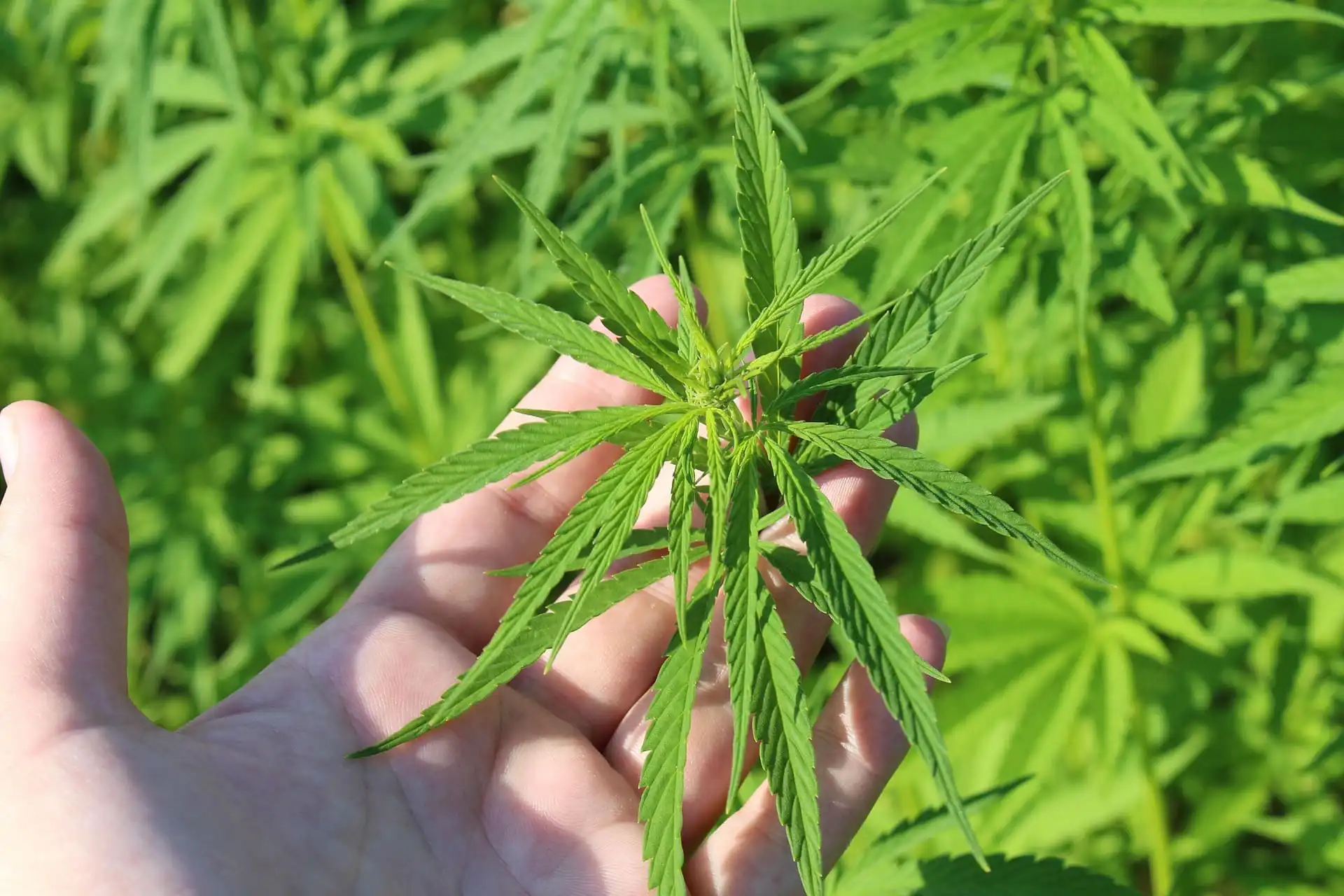


Federal Bill Threatens the Hemp Industry
Without legislative action, most of the products currently sold by Sweetwater Hemp and similar companies could become illegal in November. The provision tucked into the bill that ended the longest federal shutdown in U.S. history would tighten the definition of hemp, capping any THC—not just delta‑9 THC—at 0.3 % and limiting total THC to 0.4 mg per container.
Impact on Full‑Spectrum Products
Brett Mayo, Sweetwater Hemp’s chief extraction officer, explained the practical consequences while walking through the warehouse. “The federal hemp bill would basically eliminate full‑spectrum products,” he said. “You would be left with broad‑spectrum material that contains no THC, which my extraction process cannot produce because we pull everything from the plant, and the plant naturally contains some THC.”
Effects on Farmers
Jonathan Miller, an attorney for the national advocacy group U.S. Hemp Roundtable, noted that roughly 65 % to 75 % of all hemp grown in the United States is destined for cannabinoid extraction. The remainder is cultivated for fiber and seed. He warned that restricting THC levels would jeopardize the primary revenue stream for many growers who rely on extraction‑focused varieties.
Alternate Markets: Fiber Focus in South Dakota
Cynthia Cabrera, president of the Texas Hemp Business Council, emphasized that profitable hemp farming depends on viable end‑markets. “Everyone loves the idea of a hemp world where sidewalks and houses are made from the plant,” she said. “Realistically, farmers need to sell into extraction markets to stay afloat and contribute to that broader hemp future.”
South Dakota’s Fiber Advantage
In contrast to extraction‑heavy states, South Dakota has built a strong niche in hemp fiber. Ken Meyer, former president of the South Dakota Industrial Hemp Association and operator of a processing facility near Winfred, described how the outer stalk—called fiber—is turned into textiles, bioplastics, biocomposites, insulation, and building materials, while the inner hurd serves as animal bedding and additional construction feedstock.
Meyer pointed out that South Dakota’s dominance in fiber could buffer it from the immediate effects of a THC‑focused ban, but he cautioned that a sweeping prohibition would still ripple through ancillary sectors. He also noted a promising trend: U.S. fiber hemp harvests rose 56 % from 2023 to 2024, signaling growing farmer interest in this alternative market.
With two full‑service hemp processing centers, South Dakota leads the nation in processing capacity. For three consecutive years it topped the list for industrial hemp acreage, though a bottleneck emerged last year when farmers produced more raw material than the facilities could handle. Meyer summed up the situation: “It’s not like delivering corn or soybeans to the local elevator. We’re building those supply chains, and we’re optimistic, but they’re not perfect yet.”
Hope for a Fix
Industry insiders remain skeptical that the ban will take effect in its current form. Brett Mayo expressed confidence that the sector will endure, stating, “I don’t think [hemp] is going to be eliminated. It’s just not feasible to erase a multi‑billion‑dollar business and the tax revenue it generates, especially since the administration that legalized it is now trying to roll it back.”