

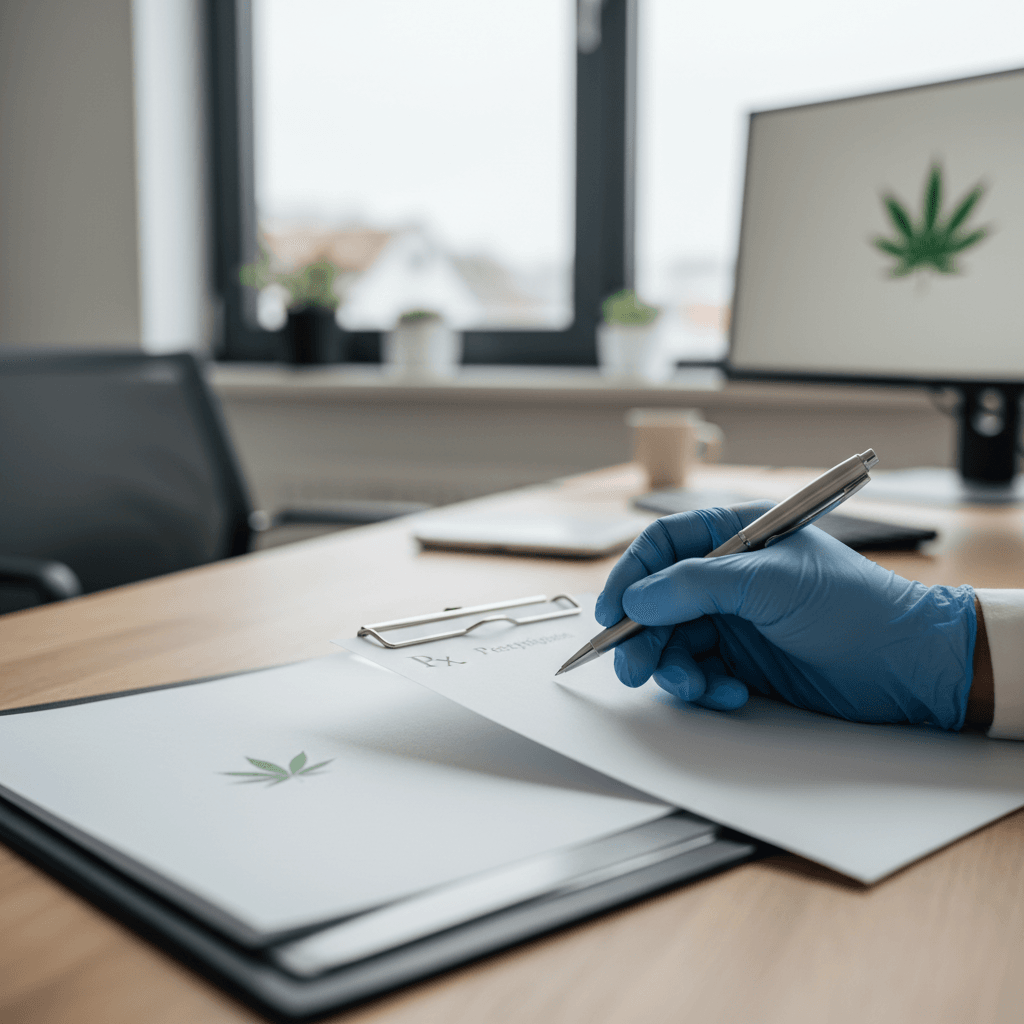
Medicinal Cannabis Prescribing: Lessons for the Channel Islands from U.S. Experience
As Jersey and Guernsey review their frameworks for medicinal cannabis, public‑health experts urge caution. Dr Lynn Silver, senior advisor for the Public Health Institute in the United States, points to patterns observed in 40 U.S. states where cannabis has been decriminalised for medical use. While the shift has expanded patient access, she warns that inadequate prescribing practices can turn a therapeutic tool into a public‑health risk.
Why Inappropriate Prescribing Matters
Dr Silver identifies two primary drivers of concern:
- Over‑broad advertising that promotes cannabis for conditions lacking robust evidence, such as depression or general wellness.
- Gaps in clinician education, leaving many physicians unsure about dosing, strain selection, or contraindications.
In an interview with ITV News, she noted, “We see insane promotion of marijuana use for a wide array of clinical conditions for which it’s not effective and may even be harmful, for example, depression.” Patients often encounter marketing that frames cannabis as a “safe wellness product” or a routine painkiller, despite limited clinical support for many of those claims.
Furthermore, Dr Silver reports cases where patients receive doses up to ten times higher than evidence‑based guidelines, a practice she says can “facilitate” addiction and exacerbate mental‑health vulnerabilities.
Mental‑Health Safety Signals
The urgency of these warnings was highlighted by a UK coroner’s ruling that legally prescribed medicinal cannabis contributed to the death of Oliver Robinson, a young man with a history of mental illness who was given a high dose by a private clinic. His suicide prompted renewed scrutiny of prescribing safeguards.
Local data reinforce the need for vigilance. In Jersey, medicinal‑cannabis prescriptions more than doubled between 2022 and 2024, exceeding 53,000 in 2024. By 2025, over one in five admissions to the island’s acute adult mental‑health ward were linked to cannabis—whether prescribed or obtained elsewhere. Guernsey shows a comparable trend, with 18 % of Adult Mental Health Service admissions associated with cannabis use, according to ITV News reporting.
Balancing Benefits and Risks
Dr Kirstie Ross, a Jersey‑based physician specialising in medicinal cannabis, acknowledges the substance’s legitimate therapeutic role. She cites evidence supporting its use for insomnia, anxiety, chronic pain, and certain cancer‑treatment side effects. However, she also warns that excessive dosing may aggravate conditions such as schizophrenia or bipolar disorder.
Dr Ross stresses that proper management can mitigate risks. She advises against prescribing cannabis to individuals with psychotic disorders and recommends close monitoring for patients with depression. Improved communication between cannabis clinics and primary‑care or mental‑health teams could enhance safety, she says.
To curb diversion to the illicit market, Dr Ross proposes that governments consider imposing caps on the quantities clinics may prescribe. “As clinics, it is our responsibility to make sure that the amounts we are prescribing are in line with recommendations and are proportional,” she stated.
Building a Robust Framework
The combined insights of Dr Silver and Dr Ross point to three actionable pillars for Jersey and Guernsey:
- Evidence‑based prescribing guidelines that clearly define indications, dosing limits, and contraindications.
- Mandatory continuing‑education programmes for clinicians on the pharmacology of cannabinoids, risk assessment, and monitoring protocols.
- Regulatory mechanisms—such as prescription caps, real‑time tracking systems, and routine audit‑and‑feedback loops—to prevent over‑prescribing and diversion.
By integrating these measures, the Channel Islands can aim to preserve the therapeutic promise of medicinal cannabis while minimising the potential for misuse, addiction, and adverse mental‑health outcomes.
Disclaimer: This article is for informational purposes only and does not constitute medical advice. Always consult a qualified healthcare practitioner before making decisions about your health. Statements concerning the therapeutic uses of hemp, cannabis, or cannabinoid‑derived products have not been evaluated by Australia’s Therapeutic Goods Administration (TGA). Medicinal cannabis products in Australia are accessed via prescription pathways under TGA regulation.
Source: Here