
Scientists Unveil a Hemp‑Derived Plastic That Withstands Boiling Water
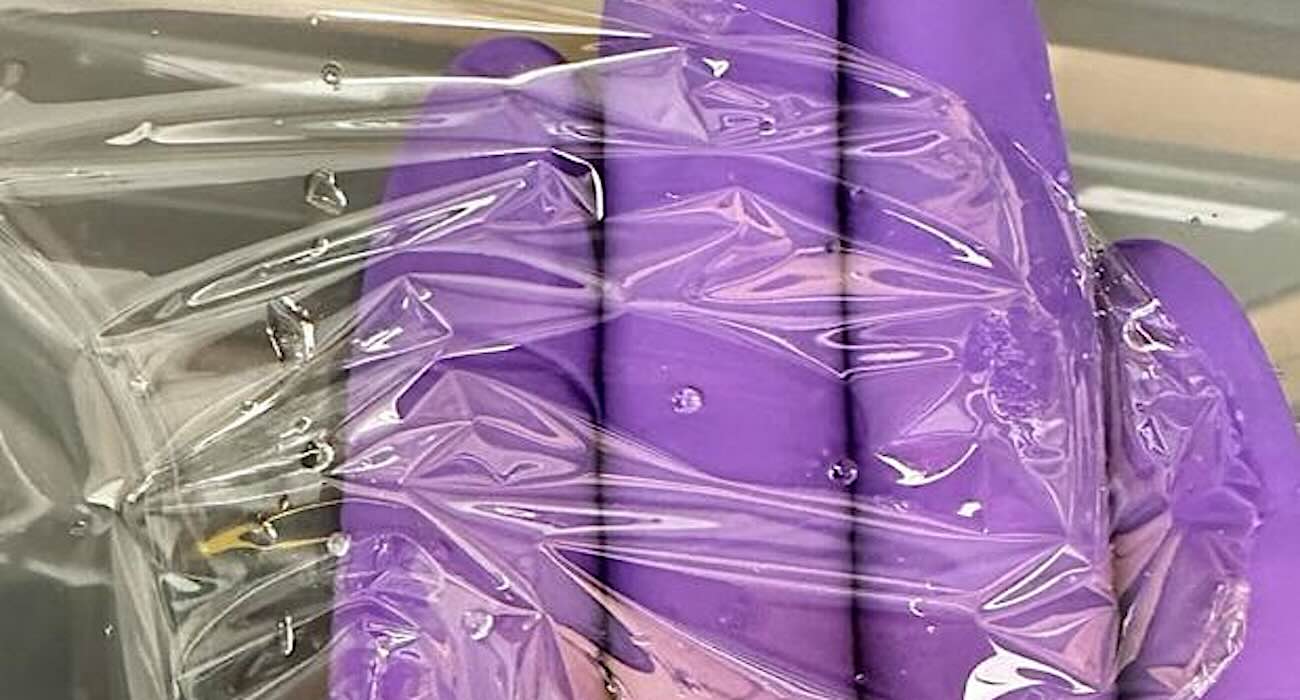
A research team led by University of Connecticut Professor Gregory A. Sotzing and Purdue University’s Dr. Mukerrem Cakmak has created a stretchable, bio‑based polycarbonate from cannabidiol (CBD) extracted from hemp. The material, described in a recent study published in Chem Circularity, can elongate up to 1,600 % of its original size and retains stability when exposed to boiling hot water—a combination rarely seen in plastics derived from natural resources.
How the Hemp‑Based Polycarbonate Achieves Its Performance
Molecular Design and Processing
The scientists used CBD as a building block to form a polycarbonate backbone. By carefully controlling the polymerization conditions, they achieved a high glass‑transition temperature (Tg) that allows the polymer to remain rigid and durable under heat, while still maintaining melt processability for extrusion or injection molding. The resulting film exhibits a water contact angle higher than that of many conventional polyolefins, indicating a naturally low surface energy that contributes to its resistance to moisture.
Stretchability and Strength
Mechanical testing showed the hemp‑CBD polycarbonate can stretch to 1,600 % of its length before breaking, a property that rivals some synthetic elastomers. This elasticity, combined with its thermal stability, makes the material suitable for applications that require both flexibility and heat resistance, such as food‑packaging films that may encounter hot liquids or steam sterilization.
Environmental and Health Advantages Over Conventional Plastics
Unlike petroleum‑based polyethylene terephthalate (PET), the hemp‑derived polycarbonate does not rely on fossil fuels for its feedstock. Hemp grows rapidly, requires minimal irrigation, and can be cultivated without synthetic pesticides, offering a low‑impact agricultural alternative. Moreover, the material avoids bisphenol‑A (BPA), an endocrine‑disrupting chemical commonly found in the linings of cans and some plastics, thereby reducing potential hormonal interference.
When discarded, the bio‑based polycarbonate is expected to break down more readily than PET, which fragments into persistent microplastics that can carry adsorbed pollutants into waterways and food chains. Although large‑scale composting data are still pending, the inherent biodegradability of hemp‑based polymers presents a promising route toward reducing plastic pollution.
Potential Applications in Industry and Medicine
The research team envisions several near‑term uses for the hemp‑CBD polycarbonate:
- Transparent films and coatings for food packaging that can withstand hot‑fill processes.
- Substrates for flexible electronics, where thermal stability and mechanical flexibility are critical.
- Nanoparticle carriers for drug delivery, leveraging the material’s biocompatibility and ability to form stable dispersions.
- Protective coatings for medical devices such as catheters, where resistance to bodily fluids and sterilization temperatures is required.
These suggestions align with the study’s observation that the polymer’s high contact angle and durability make it attractive for both consumer‑goods and biomedical sectors.
Challenges and Outlook for Scale‑Up
Current global CBD production is insufficient to fully replace PET at today’s demand levels. However, hemp cultivation is expanding rapidly across textiles, construction, and food industries, driven by its low input requirements and rotational benefits for soil health. The researchers are already working on:
- Increasing the mechanical strength of the polymer through copolymerization or nanostructured reinforcements.
- Refining the manufacturing process to enable continuous, large‑scale extrusion while maintaining the material’s molecular architecture.
- Conducting life‑cycle assessments to quantify carbon‑footprint reductions compared with conventional plastics.
As noted by Dr. Cakmak, establishing a “rigorous processing science framework” that links molecular design to melt behavior is key to moving from laboratory proof‑of‑concept to commercial viability.
Conclusion
The hemp‑CBD polycarbonate represents a promising step toward sustainable, high‑performance plastics. By combining the renewable nature of hemp with the unique properties of CBD, the material offers a pathway to reduce reliance on fossil‑derived polymers, mitigate endocrine‑disruptor exposure, and curb microplastic pollution. Continued interdisciplinary collaboration—spanning polymer science, agricultural engineering, and environmental analysis—will be essential to unlocking its full potential.
For the original news coverage, see: Here