
Cannabidiol (CBD): What It Is, How It Works, and What the Science Says
Cannabidiol, widely known as CBD, has moved from niche wellness circles into everyday products ranging from smoothies to sports apparel. While the buzz is hard to ignore, understanding what CBD actually is—and how it differs from its more famous cousin THC—helps separate fact from marketing.
How is cannabidiol different from marijuana, cannabis, and hemp?
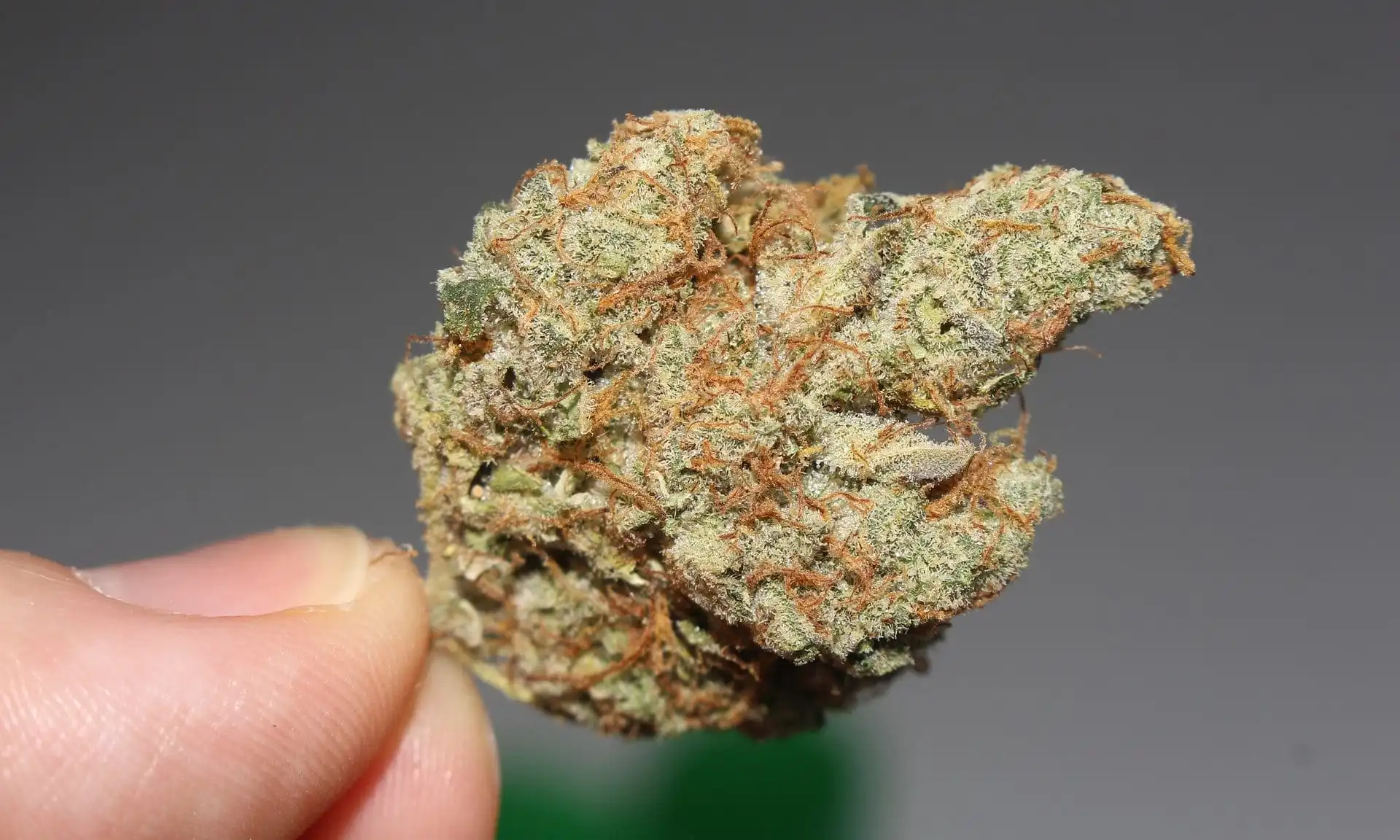
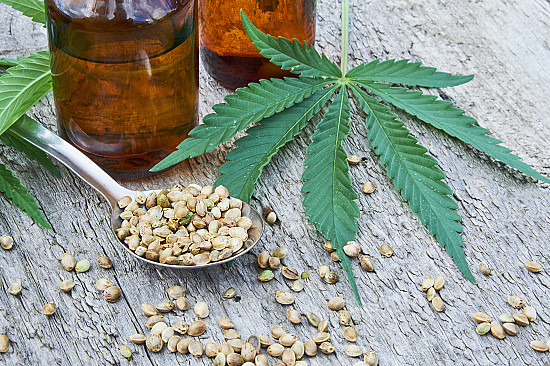
CBD is one of over a hundred phytochemicals found in the Cannabis sativa plant. Although it is present in both marijuana and hemp, the compound itself does not produce the psychoactive “high” associated with Δ⁹‑tetrahydrocannabinol (THC). Most commercial CBD is extracted from hemp varieties that contain less than 0.3 % THC, a threshold established by the 2018 U.S. Farm Bill. Because the molecule is identical regardless of plant source, its effects depend on dosage, formulation, and individual biology rather than the plant’s legal classification.
The World Health Organization (WHO) reviewed CBD in 2018 and concluded that “in humans, CBD exhibits no effects indicative of any abuse or dependence potential… To date, there is no evidence of public health related problems associated with the use of pure CBD.” A subsequent study in Neuropsychopharmacology found that acute CBD administration is unlikely to impair daily functioning or workplace performance.
Is cannabidiol legal?
Following the 2018 Farm Bill, hemp‑derived CBD was removed from the Controlled Substances Act, making it federally legal as long as the THC concentration remains below the legal limit. Nevertheless, state regulations vary: some states allow unrestricted sale, while others impose licensing, testing, or age restrictions. Practically, this means consumers can purchase CBD online in most jurisdictions without a medical marijuana card, provided the product is derived from hemp and complies with local labeling rules.
It is important to note that CBD extracted from marijuana (which may contain higher THC levels) remains subject to state‑specific cannabis laws, even though the CBD molecule itself is unchanged.
The evidence for cannabidiol health benefits
Preclinical and clinical research has identified several areas where CBD shows promise, though the strength of evidence varies.
Epilepsy
The most robust data support CBD’s use in treating severe childhood epilepsy syndromes such as Dravet syndrome and Lennox‑Gastaut syndrome (LGS). In multiple randomized trials, CBD reduced seizure frequency by a median of 38 % compared with placebo, and a subset of patients became seizure‑free. These findings led to the FDA’s approval of Epidiolex, a purified CBD oral solution, for these indications in 2018.
Anxiety
Human laboratory studies suggest that acute doses of CBD (typically 300–600 mg) can reduce anxiety in stressful situations, such as public speaking tests. Researchers attribute this effect to CBD’s interaction with serotonin receptors and its modulation of limbic activity.
Insomnia
Preliminary trials indicate that CBD may improve both sleep onset and sleep maintenance, particularly when anxiety or chronic pain contributes to insomnia. The proposed mechanism involves CBD’s analgesic and anxiolytic properties, which together create a more conducive environment for restful sleep.
Chronic pain
Animal models of arthritis show that transdermal CBD application reduces joint swelling and pain markers. Human studies, though still limited, report modest improvements in pain scores for conditions such as peripheral neuropathy and fibromyalgia when CBD is used as an adjunct to standard therapy.
Addiction
Early clinical work finds that CBD can lower cue‑induced cravings for tobacco and heroin. Preclinical evidence extends to alcohol, opioids, and stimulants, suggesting that CBD may modulate the brain’s reward circuitry, though larger trials are needed to confirm efficacy.
Is CBD safe?
Overall, CBD appears well tolerated, but it is not without potential side effects. The most frequently reported adverse events include nausea, fatigue, and changes in appetite or weight. Because CBD is metabolized by cytochrome P450 enzymes—particularly CYP3A4 and CYP2C19—it can increase plasma concentrations of certain medications, such as warfarin, clobazam, and some immunosuppressants. This interaction mirrors the effect of grapefruit juice on drug metabolism.
High‑dose regimens (≥ 1,500 mg per day) have occasionally triggered transient elevations in liver enzymes, a pattern also seen with over‑the‑counter analgesics like acetaminophen. Patients using CBD regularly should inform their healthcare provider so liver function can be monitored if warranted.
A significant safety concern stems from the supplement market’s limited oversight. The FDA does not evaluate the purity, potency, or contaminant levels of CBD products before they reach consumers. Consequently, labeling inaccuracies—where the actual CBD content deviates from the advertised amount—are not uncommon. To mitigate risk, look for products accompanied by a certificate of analysis (COA) from an independent laboratory that verifies cannabinoid profile and screens for pesticides, heavy metals, and residual solvents.
How can CBD be taken?
CBD’s versatility is reflected in the variety of delivery forms available:
- Oils and tinctures: Administered sublingually for relatively rapid absorption.
- Capsules and edibles: Provide slower, more sustained release.
- Topicals (creams, lotions, balms, bath bombs): Target localized pain or inflammation without systemic exposure.
- Patches and transdermal gels: Designed for steady, controlled delivery through the skin.
- Vapes and inhalers: Offer the fastest onset but raise concerns about lung health; medical professionals generally advise against inhalation of any substance.
For localized muscle or joint soreness, a topical CBD‑infused cream may be preferable, whereas those seeking systemic effects (e.g., anxiety reduction) might opt for a sublingual tincture.
The bottom line on cannabidiol
CBD is not a panacea, yet the accumulating evidence supports its role as a relatively low‑risk option for managing specific conditions such as treatment‑resistant epilepsy, anxiety‑related insomnia, and certain chronic pain syndromes. Ongoing research aims to clarify optimal dosing, long‑term safety, and potential interactions with other therapeutics.
If you decide to explore CBD, choose products from reputable manufacturers that provide third‑party testing results, and discuss your plans with a healthcare professional—especially if you take prescription medications that share metabolic pathways with CBD.
For a deeper dive into the current state of CBD science, see the original Harvard Health Blog article Here.