
Federal Labor Board Clarifies Cannabis Worker Status
The National Labor Relations Board (NLRB) recently issued a ruling that directly affects how cannabis‑industry employees are classified under federal labor law. In the case involving BeLeaf Medical – the parent company of the Sinse cultivation and manufacturing facility in St. Louis, Missouri – the board rejected the employer’s argument that post‑harvest workers should be treated as agricultural laborers. Agricultural workers are typically excluded from the National Labor Relations Act, which protects most private‑sector employees’ right to organize.
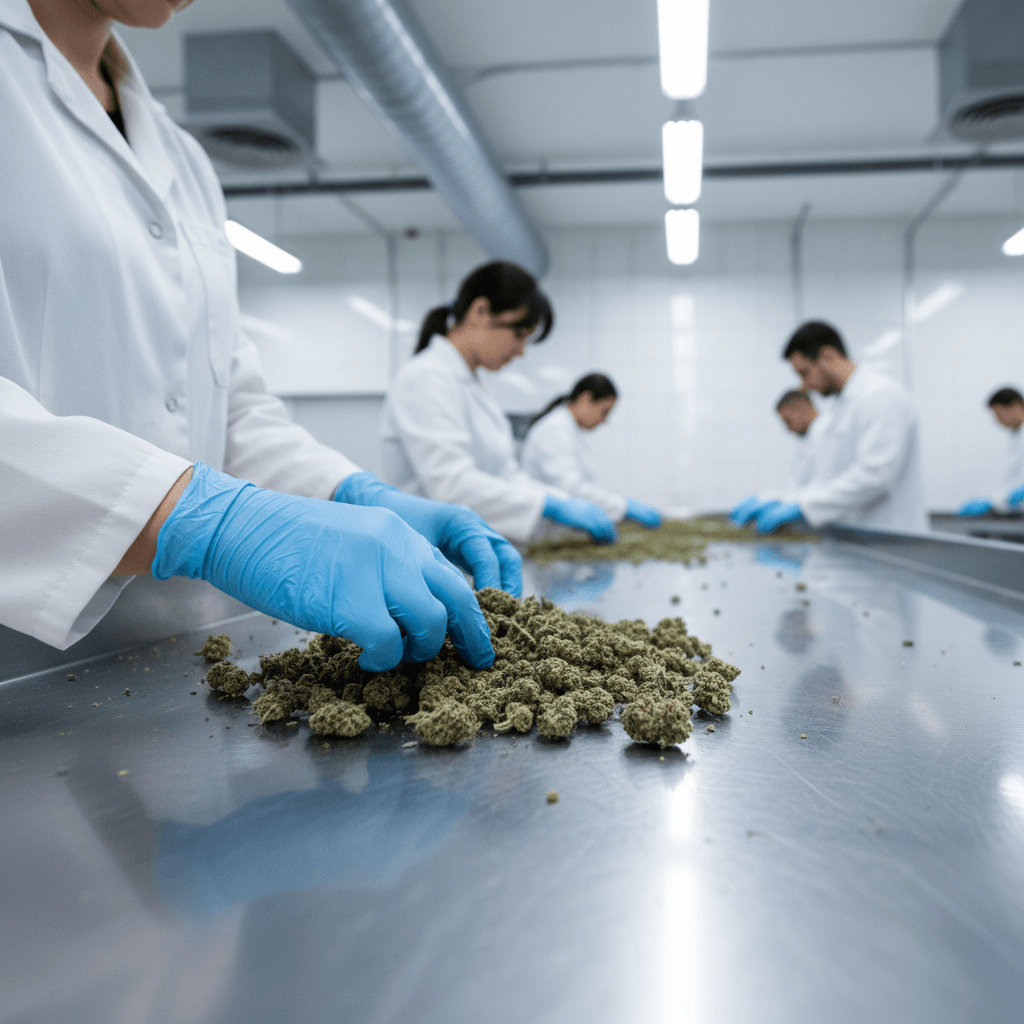
The NLRB determined that tasks such as rolling pre‑rolls, entering data, and processing dried cannabis into finished products do not meet the statutory definition of agriculture. As a result, those employees remain covered by the Act’s union‑protection provisions. The board emphasized that each future challenge will be evaluated on its own merits, but the decision creates a useful precedent for similar disputes across the country. This interpretation was highlighted in a Marijuana Moment report, which noted the significance of the ruling for workers seeking collective representation.
Missouri Legislation Reinforces Collective Bargaining Rights
Building on the federal clarification, Missouri lawmakers passed a bill that explicitly extends collective‑bargaining rights to every person employed in the state’s cannabis sector. The legislation, signed by Governor Mike Kehoe (R) on the same day the NLRB decision was released, states:
“Cannabis industry employment, including work in climate‑controlled indoor cultivation and processing facilities, is not ‘agricultural labor’ as used for purposes of exemptions from collective bargaining and shall be treated as covered employment under Missouri’s collective bargaining protections.”
The measure is slated to take effect on November 12 and applies to all facets of the industry—cultivation, processing, manufacturing, distribution, retail, and ancillary support functions. By removing the agricultural‑labor exemption, the law gives cannabis workers a clear statutory basis to negotiate wages, hours, and working conditions through union representation.
Impact on Cannabis Worker Unionization Efforts
The combined weight of the NLRB ruling and Missouri’s new statute has energized organizing campaigns. At Proper Cannabis in St. Louis, trainer Katie Hazelwonder and 45 of her colleagues filed a petition for a union‑election, represented by United Food & Commercial Workers Local 655—the same union that assisted the Sinse workers.
Hazelwonder described the NLRB decision as “the opportunity to sit at the table and make it better for us and the others to come.” She and fellow post‑harvest technician Jack Christian raised concerns about compensation stability, job security, and indoor air quality. Christian noted that technicians routinely inspect dried cannabis for mold and that ventilation issues have prompted health complaints among staff.
The successful unionization vote at the Sinse facility, which followed a two‑year legal dispute, has served as a motivational benchmark for Proper Cannabis employees. Observers say the explicit state backing and federal clarification are likely to streamline future organizing drives and provide a more predictable legal environment for labor relations within Missouri’s cannabis market.
Disclaimer: This article is for informational purposes only and does not constitute medical advice. Hemp Gazette does not provide medical recommendations, diagnoses, or treatment plans. Always consult a qualified healthcare practitioner before making any decisions regarding your health or any medical condition. Statements concerning the therapeutic uses of hemp, cannabis, or cannabinoid‑derived products have not been evaluated by Australia’s Therapeutic Goods Administration (TGA). Medicinal cannabis products in Australia are accessed via prescription pathways under TGA regulation.
Source: Here