

Wisconsin Lawmakers Move to Counteract Upcoming Federal Hemp Ban
(WLUK) — Wisconsin legislators have introduced three bills aimed at overriding a federal prohibition on hemp‑derived products scheduled to take effect in November 2026. The proposals range from a straightforward ban mirroring the federal rule to regulatory frameworks intended to keep the market open while addressing safety concerns.
Video Embed from FOX 11 Investigates
FOX 11 Investigates: Inside Wisconsin’s hemp, THC industry and battle over federal ban (WLUK)
Understanding the Legal Landscape
The 2018 Federal Farm Bill removed hemp—defined as cannabis containing 0.3 % or less Delta‑9 THC by dry weight—from the list of controlled substances, opening the door for a surge of hemp‑based goods in smoke shops, convenience stores, and gas stations. Under that definition:
- Cannabis: The plant genus that includes both marijuana and hemp.
- Marijuana: Cannabis with more than 0.3 % Delta‑9 THC; remains illegal in Wisconsin.
- Hemp: Cannabis with 0.3 % or less Delta‑9 THC; currently legal in Wisconsin but set to be banned federally in November 2026.
- Delta‑9 THC: The primary psychoactive compound in cannabis.
- Delta‑9 THC products: Edibles, beverages, topicals, and other items infused with the compound.
Unless state law intervenes, the federal ban will render these products illegal nationwide, affecting thousands of retailers and the growing hemp sector in Wisconsin.
Farmer Perspective: Craig Thran of Three Tall Pines
Craig Thran launched Three Tall Pines in Plymouth in 2019. The operation now employs roughly 30 people and supplies about 200 retailers across the state. Thran describes his workflow:
- Seasonal outdoor cultivation or year‑round greenhouse growing.
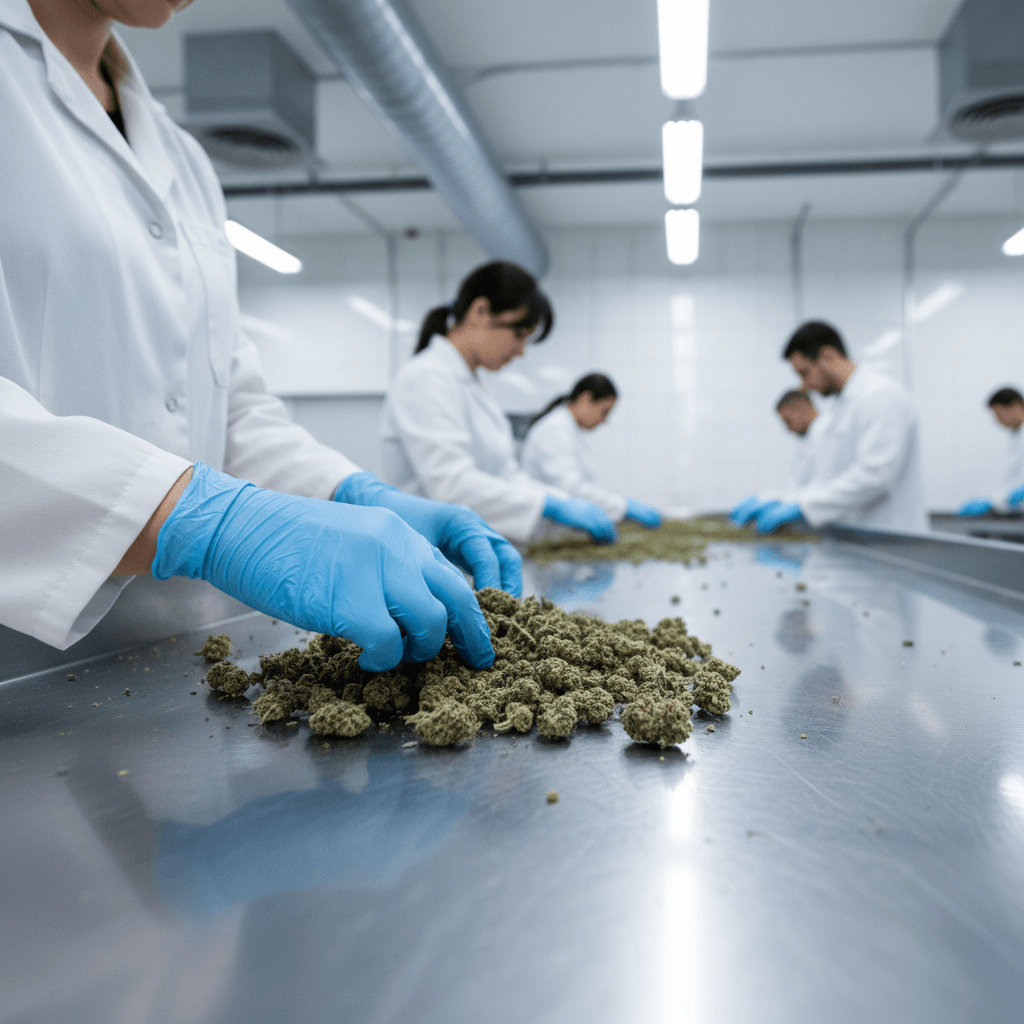
- Harvest, drying, curing, and processing the biomass.
- Isolation of Delta‑9 THC for infusions into drinks, edibles, and topicals.
- Third‑party lab testing to verify potency and label accuracy.
- Packaging, warehousing, and next‑day delivery to retail partners.
“I grew up on an apple orchard, and I’ve appreciated farming my whole life,” Thran said. “Being able to afford employees to do what we love makes life enjoyable.”
He emphasizes that the company handles every step—from seed to shelf—to maintain quality control and traceability.
Legislative Proposals at a Glance
1. Rep. Lindee Brill (R‑Sheboygan Falls) – Ban Mirror
Brill’s bill would essentially codify the pending federal ban, making all hemp‑derived products illegal in Wisconsin unless they meet the strict Delta‑9 THC threshold.
2. Rep. Rob Swearingen (R‑Rhinelander) – Regulated Market
Swearingen’s proposal allows hemp products but imposes regulations, including a minimum purchase age of 21 and stringent labeling requirements. He cites public safety as the primary motivation.
3. Sen. Patrick Testin (R‑Stevens Point) – Regulation (Details Pending)
Testin has signaled support for a regulated approach similar to Swearingen’s, though the full text of his bill has not yet been released.
Industry Calls for Sensible Regulation
Both Thran and Alex Hernandez, assistant manager at The Dispensary in Appleton, agree that certain standards are needed to curb bad actors—such as marketing to minors or inconsistent potency—but they stress that regulations should not stifle legitimate businesses.
Key points raised by stakeholders include:
- Age‑restriction enforcement (21 +) to prevent youth access.
- Uniform potency labeling and third‑party testing.
- Restrictions on flashy packaging that could appeal to children.
- Clear guidelines for advertising and product placement.
Hernandez notes that his store already IDs every customer and avoids child‑oriented designs, illustrating a model of self‑regulation that many retailers support.
Looking Ahead
As the November 2026 deadline approaches, Wisconsin lawmakers face a choice: enact a blanket ban that could eliminate a burgeoning agricultural sector, or craft a balanced regulatory framework that safeguards consumers while allowing farmers like Craig Thran to continue growing, processing, and distributing hemp‑derived goods. The outcome will shape not only the state’s economy but also its role in the evolving national conversation about cannabis policy.
For the full FOX 11 Investigates report, see the original story Here.