
Understanding Wisconsin, Together.
WPR’s “Wisconsin Today” newsletter keeps you connected to the state you love without feeling overwhelmed. No paywall. No agenda. No corporate filter.
The Sudden Threat to Wisconsin’s Hemp‑Derived THC Market
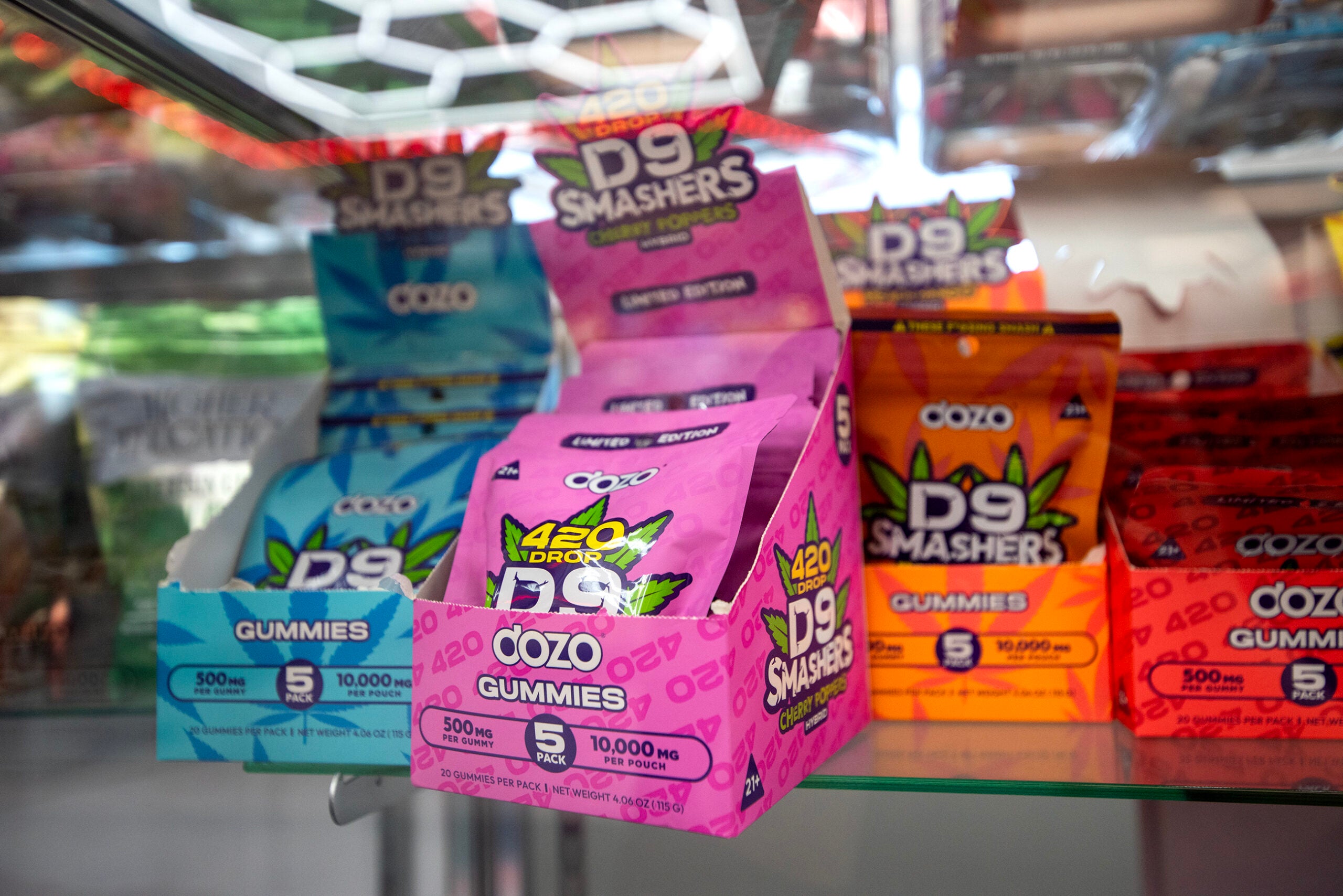
On Monday morning, Dillon Beyer, co‑owner of Tree Huggers Cannabis in La Crosse, awoke to a barrage of text messages alerting him to a provision tucked inside the U.S. Senate continuing resolution that would ban the “unregulated sale of intoxicating hemp‑based or hemp‑derived products.” The clause, now headed for a vote in the House, could render many of the drinks, gummies, vapes and oils his company sells non‑compliant.
Why the Provision Matters Now
The 2018 Farm Bill removed hemp from the list of controlled substances, creating a federal loophole that allows products containing low doses of THC to be sold legally—even in states like Wisconsin where medical and recreational marijuana remain prohibited. That loophole has fueled a multibillion‑dollar nationwide industry, with Wisconsin seeing a rapid proliferation of THC‑infused beverages and edibles in gas stations, breweries and retail shops.
Critics argue the market is inadequately regulated, making it easy for minors to obtain products that often resemble candy or snacks. Supporters, including industry owners, contend the products offer a legal alternative to alcohol and can provide stress‑relief benefits when produced with proper testing and transparency.
Business Owners Respond
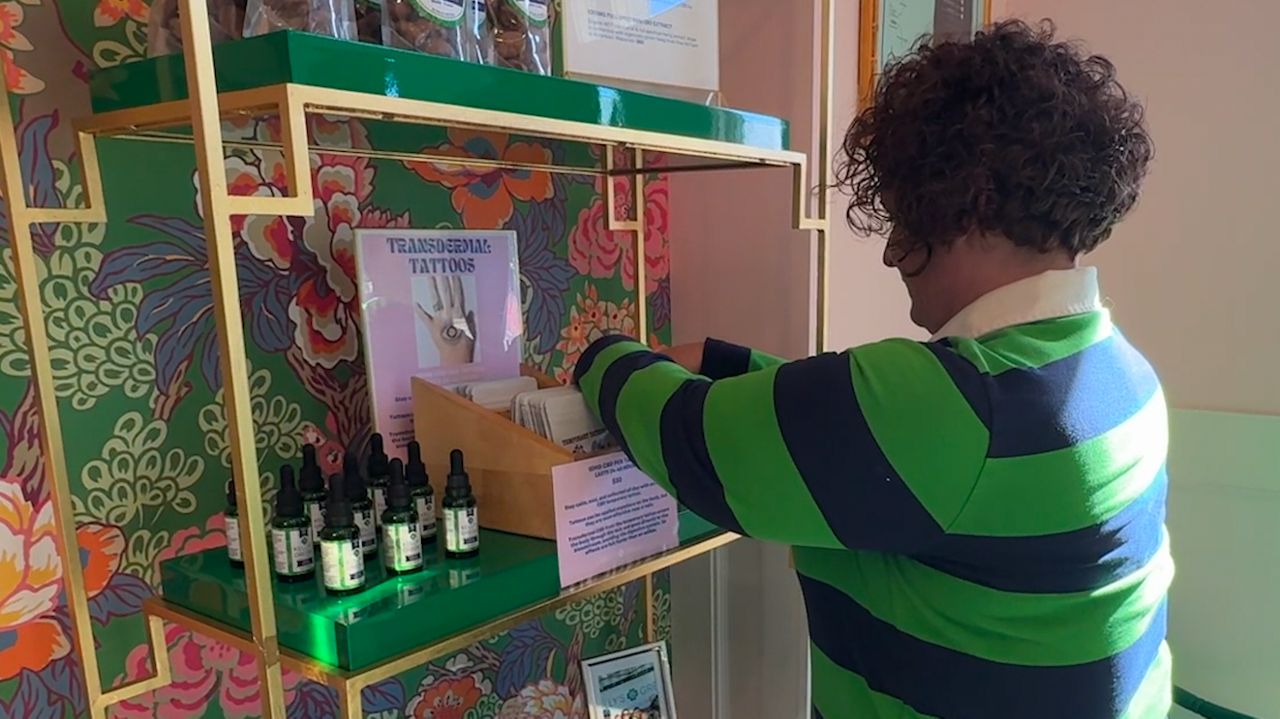
Beyer said the prospect of a ban would “force us to close our doors” because virtually all of Tree Huggers’ current inventory would become illegal. He noted that his shop already checks IDs and uses dark packaging to signal that items are not intended for children, but the blanket ban would override those safeguards.
Alla Tsypin and Richard Bowman, co‑owners of RA! Wellness in Madison, echoed the concern. While they welcome stronger standards for lab testing and ingredient disclosure, they argue that an outright ban would eliminate a viable option for millions of consumers who rely on these products for wellness purposes.
Tsypin emphasized the human impact: “It’s not just about our business; it’s about the families, growers, consumers and patients who depend on this as medicine.” She hopes the looming deadline—365 days to achieve compliance if the bill passes—will spark a broader conversation that could lead to sensible state or federal regulation rather than a total prohibition.
Industry Scope and Data Gaps
Phillip Alberti, a research program manager focusing on hemp at the University of Wisconsin‑Madison’s alternative crops lab, acknowledges the difficulty in measuring the sector’s size. “I’ve been looking forever to find those numbers… I can’t go anywhere without seeing those products,” he said. The lack of comprehensive data hinders efforts to assess economic impact and identify where regulatory support might be most needed.
Looking Ahead
Industry leaders view the upcoming year as an opportunity to push for clearer rules—such as mandatory testing, labeling, and age‑verification requirements—rather than accepting an outright ban. By engaging distributors, retailers and consumers, they aim to raise awareness of the products’ legitimate uses and advocate for policies that protect public health while preserving legal access.
For ongoing coverage of this developing story, see the original report Here.