
Wisconsin’s Emerging THC‑Infused Beverage Scene
Wisconsin has long been associated with high alcohol consumption, but a new category of drinks is reshaping what patrons find on tap and in coolers across the state. Producers are now offering canned seltzers and other beverages infused with tetrahydrocannabinol (THC) and cannabidiol (CBD) derived from hemp, taking advantage of a federal loophole that permits these compounds when they contain less than 0.3 % delta‑9‑THC by dry weight.
Legal Foundations: Hemp‑Derived THC Under the 2018 Farm Bill
The 2018 United States Farm Bill removed hemp—defined as cannabis plants with no more than 0.3 % delta‑9‑THC—from the Controlled Substances Act. This change opened the door for hemp‑derived cannabinoids, including THC isomers such as delta‑8‑THC and THC‑O, to be processed and sold in states where marijuana remains prohibited. Wisconsin’s Department of Revenue has confirmed that products meeting the hemp threshold are not currently classified as illegal under state law, provided they comply with labeling and testing requirements.
Will Glass, president of the Wisconsin Brewers Guild and founder of The Brewing Projekt in Eau Claire, described the due‑diligence process his team undertook before launching a THC seltzer line:
“We actually contacted the Department of Revenue to just ask questions about whether or not they viewed this as being currently regulated or currently prohibited in the state of Wisconsin… We wanted to make sure that we had all of our i’s dotted and t’s crossed.”
After receiving clarification, Glass began production and now works with distributors and retailers who initially needed education on the product’s legal status.
From Hemp Stores to Infusion Bars: Entrepreneurial Adaptation
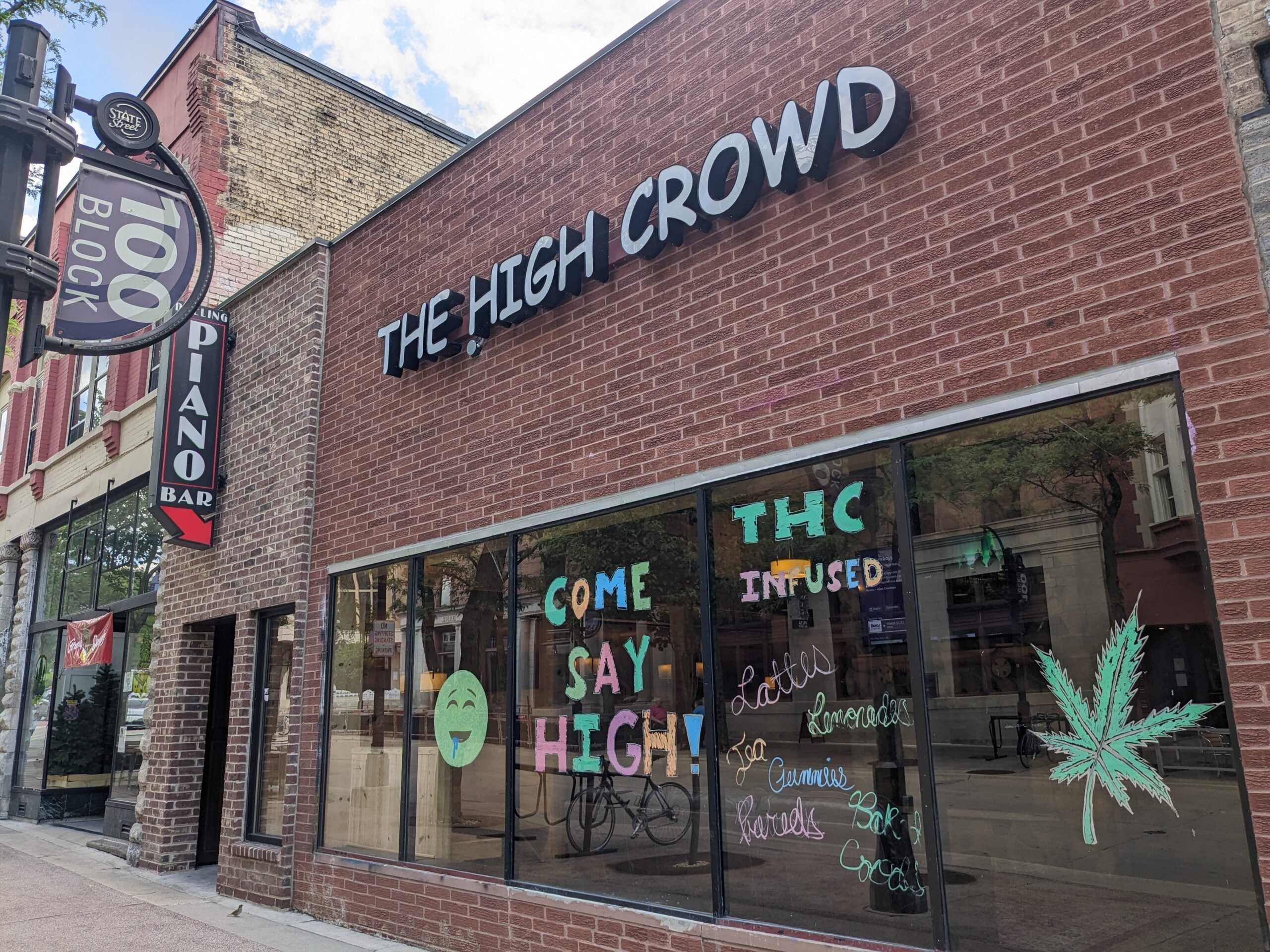
Not all entrants have found the path smooth. Colin Gazinski opened Milwaukee’s first specialty hemp retail shop in 2018, but he quickly discovered that selling only raw hemp products was not financially sustainable. He pivoted to an infusion bar and café called Canni, where patrons can choose a base beverage—such as a sparkling water or tea—and add a customized shot of alcohol, THC, kava, or adaptogens.
Gazinski highlighted a persistent obstacle: financial institutions’ reluctance to serve businesses openly associated with cannabis.
“We’ve been removed from five banks. We’ve had four different payment processors over the seven years of our existence,” Gazinski told Wisconsin Public Radio’s “Wisconsin Today.” “The difference is, a grocery store or liquor store that’s selling these types of products … it may not be their primary product. Our business is rooted in the name of cannabis, so it’s a little hard for us to disguise that to a payment processor.”
To mitigate risk, Canni’s staff receives rigorous training on dosage guidance and on preventing customers from mixing multiple intoxicating infusions in a single drink.
Market Dynamics and Consumer Perception
Both Glass and Gazinski report steady growth in demand, particularly among consumers seeking alternatives to traditional alcohol. Market research firms have noted double‑digit percentage increases in hemp‑derived THC beverage sales nationwide over the past two years, a trend mirrored in Wisconsin’s urban centers.
Many users cite perceived health benefits and lower calorie counts as reasons for choosing THC seltzers over beer or cocktails. Producers emphasize that, like any intoxicant, moderation is key and that their products are intended for adult consumers only.
Looking ahead, industry stakeholders suggest that even if Wisconsin moves toward full marijuana legalization, the hemp‑derived beverage segment could continue to thrive—provided regulations are clear, consistent, and focused on consumer safety.
“At the end of the day, prohibition doesn’t work,” Glass said. “It didn’t work with alcohol. It’s not working with marijuana. And while this may work around the marijuana laws by going through hemp‑derived THC, the consumer is going to get what they want. And ultimately, the market should decide where things go.”
Understanding Wisconsin, Together.
WPR’s “Wisconsin Today” newsletter keeps you connected to the state you love without feeling overwhelmed. No paywall. No agenda. No corporate filter.
For a deeper look at how producers are navigating the legal landscape and building a niche in Wisconsin’s beverage market, read the original report Here.