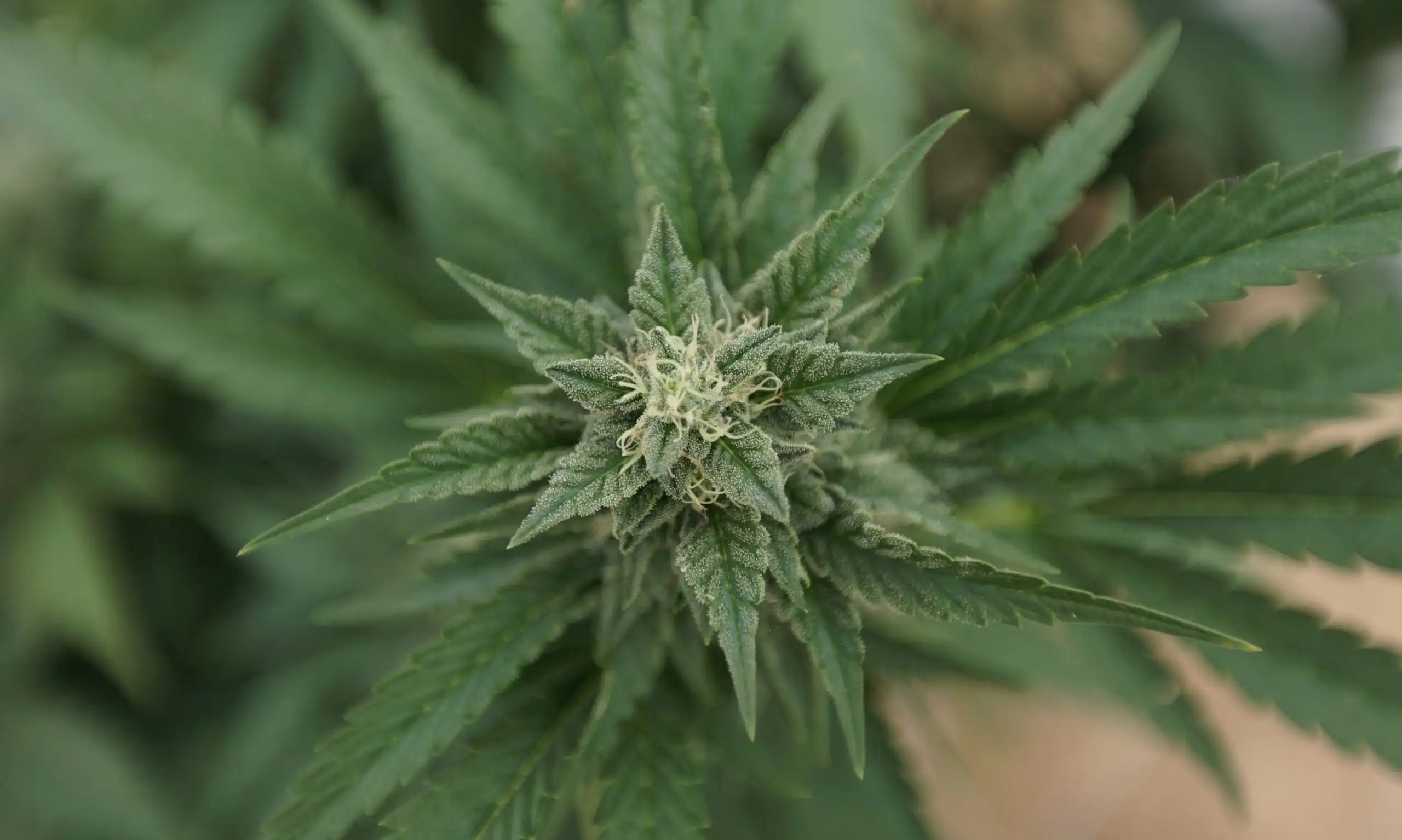


Kentucky Hemp Producers Brace for New Federal THC Limit
The Workman family has grown tobacco in western Kentucky for generations, but in recent years they have turned to hemp to offset declining tobacco profits. After the 2018 Farm Bill removed hemp from the federal Controlled Substances Act, Terry Workman and other farmers began planting the crop on hundreds of acres. Now, almost seven years later, Workman says the industry faces a steep challenge.
“I hate to use the word ‘devastating,’ but it’s going to be tough. We’re going to have to revamp,” Workman said. “There goes, with just a snap of your fingers, a loss of income.”
A Look at Kentucky’s Hemp Heritage
Hemp has deep roots in the Bluegrass State. Settlers recorded the first hemp crop in 1775, finding Kentucky’s climate ideal for growing the plant as an alternative to cotton in textile production. The Agriculture Act of 2014 first allowed limited hemp cultivation for research, and the 2018 Farm Bill expanded those permissions, legalizing industrial hemp for commercial use.
Today, most of Kentucky’s hemp acreage is devoted to floral hemp, which is cultivated for higher concentrations of cannabidiol (CBD) and tetrahydrocannabinol (THC). According to the latest National Hemp Report from the U.S. Department of Agriculture, Kentucky ranked second in the nation for industrial floral hemp production last year, trailing only California, and accounted for more than one‑fifth of the country’s floral hemp output by acreage.
Other hemp varieties—fiber and grain—are used for products such as animal bedding, building materials, and textiles. These types typically contain only trace amounts of THC and are treated differently under federal law.
New Federal THC Limit Set for 2026
To be legally classified as hemp rather than marijuana, a cannabis plant must not exceed 0.3 % THC on a dry weight basis. Producers must sample and test designated plots to demonstrate compliance, though there is no federal cap on CBD concentration.
A provision included in the recent government funding bill will further restrict hemp‑derived products. Starting in November 2026, the total THC allowed in any single container will be limited to 0.4 milligrams. The bill does not yet define what constitutes a “container,” leaving producers uncertain about how the rule will apply to items such as tinctures, edibles, or topicals.
Senator Mitch McConnell introduced the measure, arguing that it closes a “loophole” that allowed some companies to market intoxicating THC products resembling snacks, candy, and beverages. He said the change aims to protect children from inadvertent exposure.
Industry Reaction from Kentucky Farmers and Business Owners
Many Kentucky hemp stakeholders warn that the new limit could cripple the market for floral hemp, which drives most of the state’s hemp revenue.
Matthew Willse, founder of Resonate Foods in Eddyville, explained that grain and fiber hemp alone cannot sustain farms without the higher‑value floral crop. “The problem we have with grain and fiber [hemp] right now is that grain [hemp] is competing with soy and corn, and you need massive scale to compete at those margins,” Willse said. “You have to grow a million acres to be able to compete with soy. But how do you grow a million acres if you can’t be profitable growing a million acres? That’s where the floral allows the other two to help get their foothold, if you’re able to do all three.”
Katie Moyer of Kentucky Hemp Works in Crofton echoed those concerns, estimating that the forthcoming rule would affect more than 98 % of the state’s hemp businesses. “Over 90 % of the acreage used to grow hemp in Kentucky is for cannabinoid production, and very few businesses in the industry deal in anything other than cannabinoids,” Moyer said. She added that ancillary products such as animal bedding, bourbon infusions, and pasta supplements are “a labor of love” and do not generate enough revenue to keep operations afloat without the income from full‑spectrum CBD sales.
Even businesses focused on non‑floral hemp anticipate only modest impacts. Greg Wilson, whose Murray‑based company HempWood produces a hemp‑stalk composite for flooring, said his product line should remain largely unaffected because the stalks used contain minimal THC. “Our plants always pass [legal requirements]. It’s just a matter of what the seed is doing and how you plant it,” Wilson noted.
Seeking Alternatives and a Path Forward
With the rule set to take effect in less than a year, many growers are holding off on planting decisions. Willse said he normally finalizes acreage allocations in December but is delaying those plans pending possible congressional action that could modify or clarify the THC restriction.
Advocates are urging federal lawmakers to consider state‑level oversight rather than a blanket national limit. Moyer suggested that legislation allowing states to regulate hemp products could preserve the industry while addressing concerns about bad actors. Others call for increased funding for regulatory offices to test products for safety and to clearly define what qualifies as a container under the new rule.
As the debate continues, Kentucky’s hemp community stresses the crop’s versatility and economic importance. Whether the industry can adapt to the tighter THC threshold will depend on how quickly regulators, legislators, and producers can find a workable compromise.
Source: Here