
Bel Kutner Uses Her Platform to Call for Medicinal Cannabis Regulation in Brazil
A Mother’s Journey with Tuberous Sclerosis and CBD
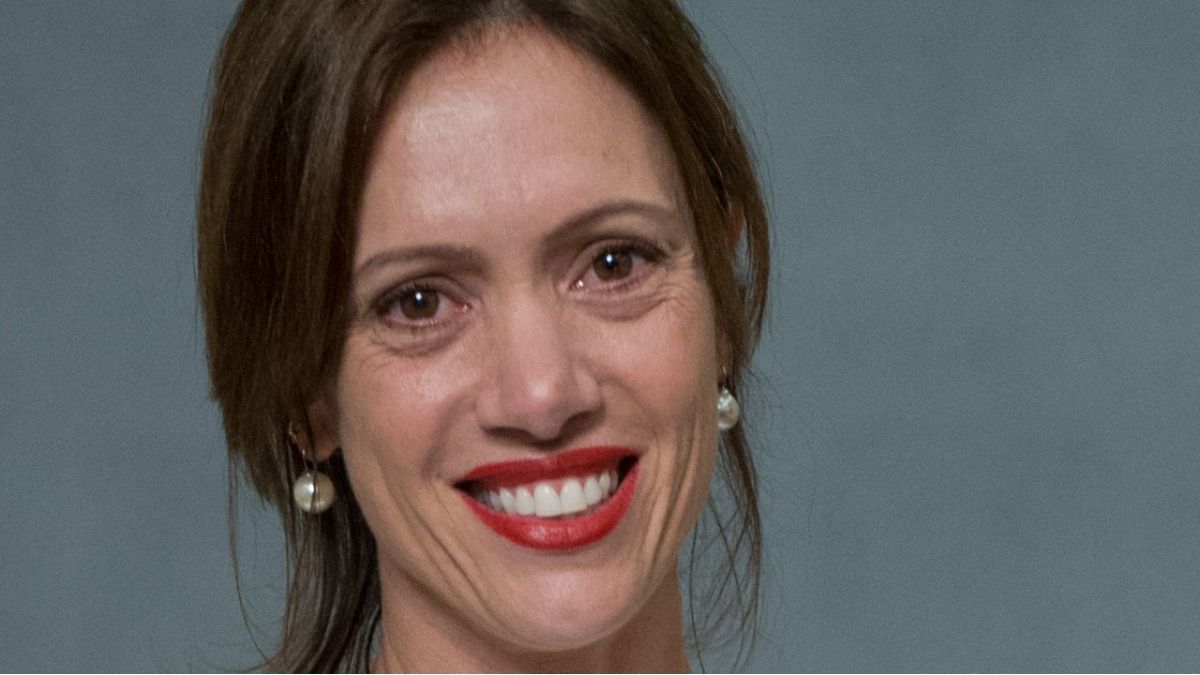
Bel Kutner, a well‑known Brazilian actress, appeared in a heartfelt video shared on Tuesday, 13 May, alongside her 19‑year‑old son Davi. Davi lives with tuberous sclerosis complex, autism, and epilepsy—conditions that have required intensive medical care for most of his life.
In the video, Kutner speaks calmly while holding Davi’s hand, urging viewers to sign a petition organized by the collective Repense o Óbvio. The petition asks the federal government to regulate the cultivation, distribution, and use of cannabis for therapeutic purposes, a measure she describes as both a public‑health priority and a lifeline for families like hers.
Kutner explained that it was only during Davi’s adolescence that his seizures became manageable after he began using cannabidiol (CBD) oil. She noted that the isolated extract, imported from the U.S. company USA Hemp, reduced the number of convulsive episodes and allowed him to lower the dosage of several conventional anticonvulsants, thereby diminishing their adverse side effects.
Beyond seizure control, Kutner observed improvements in Davi’s mood and behavior—particularly important during adolescence, a period that often exacerbates challenges for individuals on the autism spectrum. “We saw a significant change in his mood, which helped curb the behavioral crises he used to experience,” she said.
The actress is also a member of APEPI (Associação de Pesquisa e Pacientes de Cannabis Medicinal), an organization that has advocated for broader access to cannabis‑based medicines in Brazil for years. She emphasized that the therapeutic potential of CBD extends beyond rare epilepsies; patients undergoing chemotherapy, those with chronic pain, and people living with multiple sclerosis have reported benefits as well.
Scientific evidence supports these anecdotal reports. A randomized, double‑blind trial published in Lancet Neurology in 2018 found that adjunctive CBD reduced seizure frequency by a median of 48.6 % in participants with tuberous sclerosis complex (Devinsky et al., 2018). The U.S. Food and Drug Administration has approved a purified CBD formulation (Epidiolex) for seizures associated with Lennox‑Gastaut syndrome, Dravet syndrome, and tuberous sclerosis complex, underscoring its recognized medical value.
In Brazil, the National Health Surveillance Agency (ANVISA) permits the importation of cannabis‑derived products under special authorization, but the process remains bureaucratic and uncertain. Kutner warned that “every moment is a threat; there are constant attempts to prohibit access, leaving thousands of families in limbo.” She stressed that regulation would provide a stable, legal pathway for patients to obtain safe, quality‑controlled medicine.
By sharing her personal story, Kutner amplifies the voices of countless caregivers, patients, and health professionals who argue that sensible regulation of medicinal cannabis is not a political stance but a matter of equity and survival. Her closing appeal is direct: “Sign. Help. Medicinal cannabis saves lives.”