

Virginia Lawmakers Reach Cannabis Market Agreement Ahead of Budget Vote
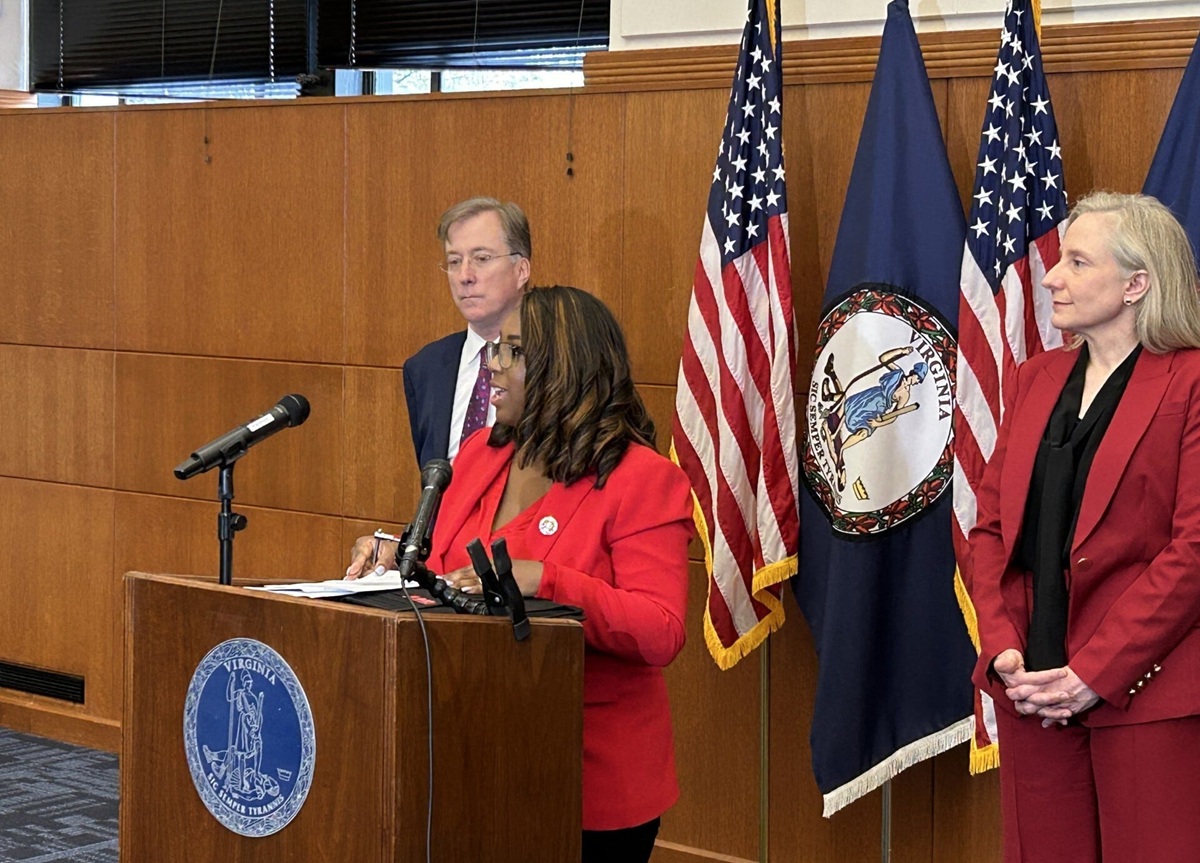
Governor Abigail Spanberger, Senator Lashrecse Aird, and Delegate Paul Krizek announced a compromise on June 16 that would establish Virginia’s first legal retail cannabis market for adults. The deal, crafted after Spanberger’s veto of the original legislation, is set to be included in the upcoming state budget and would launch the market on July 1, 2027.
The announcement came during a press conference in the Patrick Henry Building, where Spanberger emphasized the goal of creating a safe, well‑regulated industry that undercuts the illicit market while supporting small businesses and farmers. Aird and Krizek thanked the governor for her willingness to negotiate, noting that the agreement reflects the flexibility needed to move forward on a long‑standing Democratic priority.
Key Elements of the Compromise
The agreement, which will appear as placeholder language in both the House and Senate budget proposals, includes the following provisions:
• Market launch: sales would begin on July 1, 2027, six months later than the date originally proposed in the vetoed bill.
• License cap: a maximum of 350 retail cannabis licenses will be issued, with the licenses phased in over a two‑year period. The state will retain authority to determine how those licenses are distributed geographically.
• Tax structure: the state cannabis tax will start at 6 % when the market opens and increase to 8 % after July 1, 2029. Localities may add an additional 1 % to 3 % sales tax on products sold.
• Public consumption: a $250 civil fine will apply for public use, but enforcement will be delayed while officials study ways to avoid disproportionate impacts.
• Revenue allocation: in the first year, 75 % of licensure fees will be directed to the Cannabis Equity Business Loan Fund to assist entrepreneurs in communities disproportionately affected by past prohibition.
• Product safety: strict testing, labeling, and oversight will apply to all cannabis products, including intoxicating hemp items sold outside licensed stores such as vape shops.
• Business support: a Cannabis Impact Business Support Team will be created to help new entrants navigate licensing, compliance, and startup challenges.
Budget Process and Political Context
The compromise’s fate hinges on passage of the fiscal year 2027 budget, which must be approved before July 1. Legislators have been deadlocked over a data‑center tax exemption, with the Senate seeking to eliminate it and the House wishing to retain it. Recent negotiations have produced a tiered impact‑fee proposal that could satisfy both chambers, though Senate Finance & Appropriations Chair Louise Lucas reiterated her opposition to removing the exemption entirely.
Despite the tension, Senator Barbara Favola expressed confidence that a budget agreement will be reached, stating, “There will be a budget.” With less than two weeks remaining before the current fiscal year ends, lawmakers are working to avoid a scenario where the state operates on a minimal budget that excludes employee pay raises.
Governor Spanberger’s veto of 31 bills during the 2026 legislative session, including the original cannabis market bill, had drawn criticism from advocates who called it “a slap in the face.” The June 16 compromise attempts to address those concerns while incorporating public‑safety data, stakeholder input, and best practices from other states that have legalized cannabis.
About the Reporting
This article was written by Bill Atkinson, a Petersburg native and 1984 graduate of Virginia Commonwealth University’s mass communications program. Atkinson has spent four decades covering breaking news, crime, government, and politics for the Progress‑Index, earning multiple awards for his work. He is also a longtime fan of the Washington Commanders and an avid history enthusiast.
Readers interested in the original story can find it Here.