
8am
I wake to the soft feel of organic bamboo sheets, yet the mattress beneath me is a slab of polyurethane foam—derived from the same crude‑oil refining stream that fuels our cars.
A biodegradable cornstarch toothbrush and toothpaste pellets help with the day’s task.
I slip out of bed and notice the carpet underfoot, a synthetic weave of nylon or polyester, both petroleum‑based polymers.
In the bathroom I reach for a cornstarch toothbrush and chewable toothpaste pellets; the pellets have a faint, grassy flavour.
The shower reveals 100 % cotton towels, but growing that cotton demands nitrogen‑heavy fertilisers and pesticides—products whose manufacture relies on natural gas and oil.
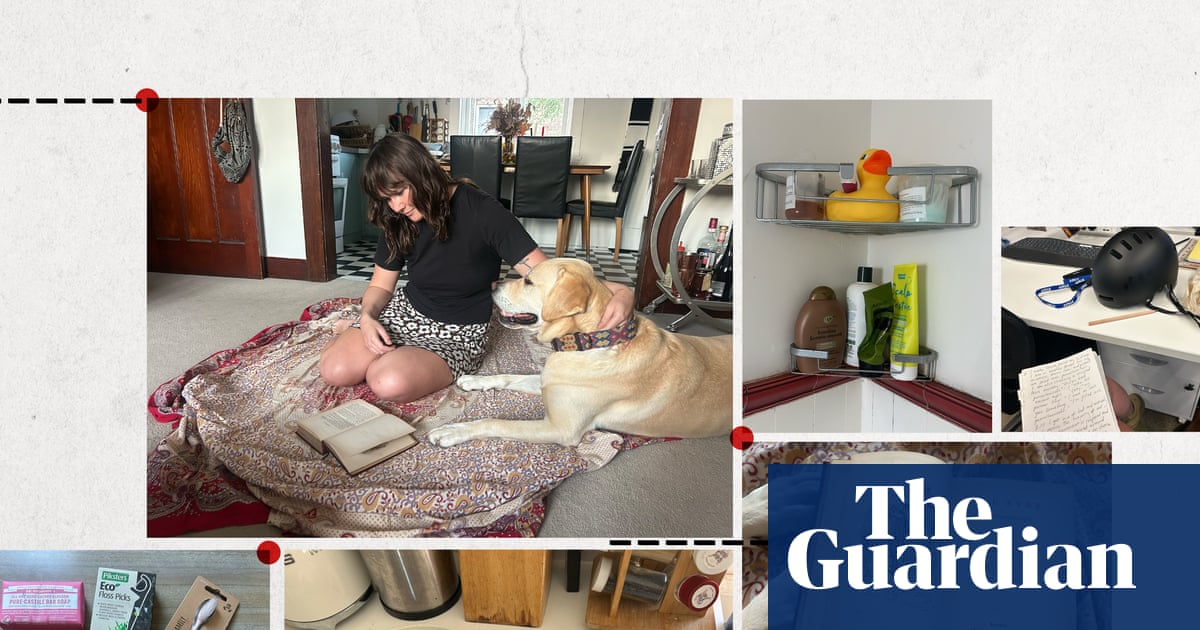
Even the acrylic tub, the plastic‑laden shampoo bottles, and the rubber duck are reminders of how deeply petrochemicals are woven into everyday hygiene.
8.15am
I dress in a bamboo T‑shirt, a hand‑knitted wool jumper, a recycled hemp skirt, and Twoobs sandals crafted from plant‑based fibres, reclaimed plastics, and sugarcane ethanol.
Sign up for the Breaking News Australia email
Choosing secondhand garments cuts the demand for newly produced polyester and nylon, saving the roughly 1.5 billion items of clothing bought in Australia each year—about 55 pieces per person.
According to the Textile Exchange, recycled fibres can reduce greenhouse‑gas emissions by up to 30 % compared with virgin synthetics.
9am
I head to the park with a cotton tote, a mug rescued from the sidewalk, a leather‑brass leash, and a paper towel for any mess.
Clothing and coffee are petrochemically problematic.
Instead of a synthetic tennis ball, I hunt for a sturdy stick—nature’s own chew toy—for my Labrador.
When the dog accidentally nicks my hand, I reach for a paper‑wrapped antiseptic strip and a Band‑Aid; both rely on petroleum‑derived adhesives and backing materials.
I treat myself to an oat latte in the reclaimed mug. While the oat milk is lower‑impact than dairy, the coffee beans likely travelled on a bunker‑fuelled ship, and the machine’s internal tubing contains plastic.
9.30am
At the organic market I select capers and anchovies in glass jars, avoiding the thin plastic films that coat most produce.
Experts note that single‑use plastics dominate packaging because they are cheap—often less than $0.01 per unit—but persist for centuries in the environment.
Even bio‑based alternatives frequently incorporate a small percentage of petrochemical additives to improve moisture resistance and shelf life.
After my dog’s break, I scoop the waste with a paper towel; the passerby’s grimace underscores the social stigma still attached to visible waste.
12pm
Brunch consists of free‑range eggs, kale from my garden, and sourdough bought at the farmers’ market. I eat on the floor with wooden utensils and a cast‑iron skillet, steering clear of plastic‑coated chairs.
No petrochemicals were harmed in the consuming of brunch.
Although I’d love to power the stove with solar‑generated electricity, my rental unit lacks rooftop panels, so I rely on the grid—a mix that still includes fossil‑fuel generation.
12.30pm
I hop on my Lekker e‑bike, whose aluminium frame was manufactured in the Netherlands and shipped overseas; the bike’s lithium‑ion battery draws power from the grid.
My helmet, made in China, combines polystyrene foam and polycarbonate—both petroleum‑derived polymers—yet the bike still cuts emissions compared with a car trip.
I use my iPhone solely to capture photos; the device’s case, internal resins, and synthetic rubber seals are all petrochemical based.
Riding without the constant stream of news podcasts lets me notice the light filtering through leaves, the rhythm of passing cyclists, and the growing popularity of vape pens—a reminder of how pervasive nicotine‑delivery plastics have become.
Professor Yuan Chen from the University of Sydney’s Advanced Carbon Research Lab notes that shifting from bus to train can halve per‑passenger emissions, and choosing economy over first‑class air travel reduces an individual’s flight footprint by a factor of five to six.
1pm
Entering the office I swipe a plastic access card and ride the lift; the lobby is awash in monitors, keyboards, and plastic‑capped pens.
Cycling, even wearing a synthetic helmet, wins approval from Chen.
I trade my ergonomic chair for a wooden stool and write this piece with a charcoal pencil on recycled paper, feeling the familiar ache in my fingertips after a few paragraphs.
An editor jokes I should have taken a penny‑farthing bike to work—an amusing reminder that low‑tech options exist, though they aren’t always practical for modern deadlines.
5pm
On the way home I detour through the library, intending to consult pre‑2000 reference texts on petrochemicals; without my phone I’m unaware the building is closed for the evening.
Back at my apartment I tend to my balcony herbs, then settle with a beeswax candle and a borrowed 1897 edition of *Jane Eyre*—a volume bound with animal‑based glue and wheat‑starch paste, unlike most modern paperbacks that rely on synthetic adhesives and plastic laminates.
7pm
Dinner is a simple puttanesca: tuna fillets wrapped in paper, market‑fresh vegetables, and pasta also packed in paper, all eaten by beeswax‑lit floor.
Books, beeswax and a very good boy.
I finish the day without adding anything to the trash bin, without checking a single notification, and with a pleasant sense of fatigue—like a baby after a full day of discovery.
Despite the effort, the mattress, the phone, the helmet, and even the fertiliser that grew my kale remind me how entrenched petroleum‑derived materials are in the global economy.
The United Nations Environment Programme estimated that plastics accounted for 1.8 billion tonnes of CO₂‑equivalent emissions in 2019—roughly 3.4 % of all anthropogenic greenhouse‑gas output.
Professor Chen remains optimistic: “In the next five to ten years we will see a decisive move toward electrified transport, renewable‑powered manufacturing, and bio‑based materials that truly decouple from fossil feedstocks.”
Until that transition scales, even a conscientious 24‑hour pause highlights how much of modern life still runs on oil and gas.
This article was written by hand and transcribed onto a computer.