
Synthetic Marijuana Laced in CBD Vapes: An AP Investigation
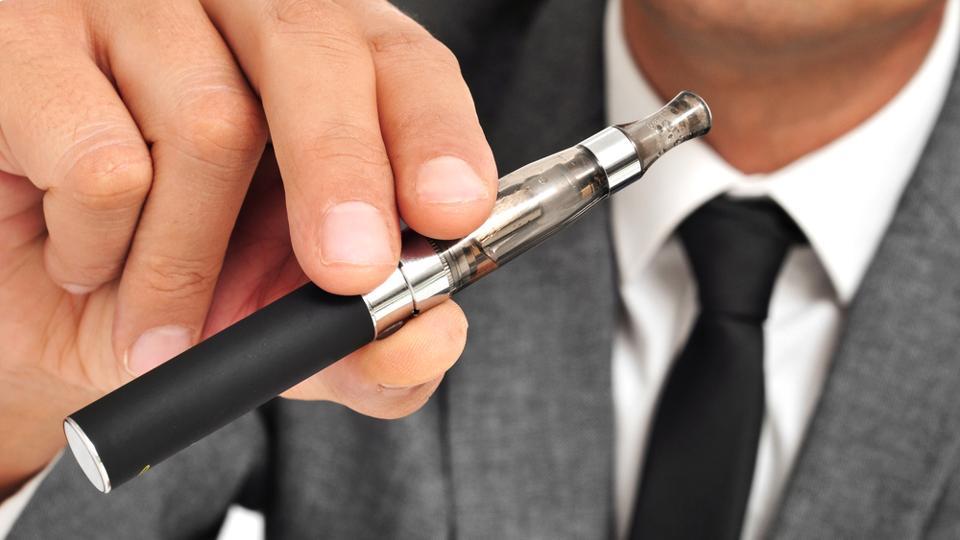
When Jay Jenkins took two puffs of a blueberry‑flavored vape cartridge marketed as CBD, he expected relaxation. Instead, the vapor sent him into a coma, revealing a dangerous trend: some sellers are swapping legitimate cannabidiol for cheap, illegal synthetic marijuana – often sold under names like K2 or spice.
What Happened to Jay Jenkins
Jenkins, a freshman at The Citadel in South Carolina, tried the product called “Yolo!” after a friend assured him it would calm his nerves. Within moments his mouth felt numb, vivid hallucinations flooded his mind, and he lost consciousness. Hospital records show he suffered acute respiratory failure and remained in a coma for several hours before waking.
Laboratory testing commissioned by the Associated Press later identified a synthetic cannabinoid in the Yolo! cartridge – the same compound linked to at least eleven deaths in Europe.
How the Scheme Works
Investigators found that unscrupulous operators purchase inexpensive synthetic marijuana, sometimes as low as $25 per pound, and mix it into vape oils or edibles labeled as CBD. Because natural CBD can cost hundreds or thousands of dollars per pound, the profit margin is substantial.
The products often arrive in generic packaging with little information about the manufacturer. Distributors may outsource production to wholesalers who bulk‑fill cartridges, making it difficult to trace the source.
Lab Findings Across the Country
AP sent 30 vape products marketed as CBD to Flora Research Laboratories for testing. Ten of the samples contained synthetic marijuana, while several others had no detectable CBD at all. Notable examples include:
- Green Machine pods (compatible with Juul devices) – four of seven tested pods were spiked, with the exact chemical varying by flavor and purchase location.
- Magic Puff cartridges – blueberry and strawberry versions sold in Florida tested positive for synthetic marijuana.
- Various gummy‑bear edibles – 36 of the positive hits in state labs were edible products.
State labs in nine states examined more than 350 samples; 128 contained synthetic marijuana in items advertised as CBD, according to a law‑enforcement survey cited by AP.
Regulatory Gaps and Enforcement Challenges
The U.S. Food and Drug Administration has approved only one CBD‑based medication (for certain epileptic seizures) and warns against adding CBD to food or supplements. However, the agency does not routinely test vape oils or edibles for contaminants.
When narcotics are found in CBD products, the FDA treats the case as a Drug Enforcement Administration matter. The DEA, meanwhile, prioritizes opioids, methamphetamine and fentanyl, leaving synthetic‑marijuana‑laced CBD comparatively low on its enforcement list.
Industry groups such as the U.S. Hemp Authority have launched certification programs for topical and ingestible CBD goods, but vapes remain outside the scope of those efforts, leaving a loophole that counterfeiters exploit.
Consumer Risks and Safety Tips
Using a vape that contains synthetic marijuana can trigger severe reactions: rapid heart rate, delirium, vomiting, seizures and, in extreme cases, coma or death. The AP’s findings echo reports of lung‑illness clusters linked to vaping, underscoring the need for vigilance.
Experts recommend:
- Purchase CBD products only from brands that provide third‑party lab certificates of analysis (COAs).
- Check for clear manufacturer information and avoid items with vague or missing labeling.
- Be wary of prices that seem too good to be true – exceptionally cheap CBD is often a red flag.
- Report adverse reactions to a healthcare provider and to the FDA’s MedWatch program.
As the market for CBD continues to expand, stronger oversight and better testing are essential to protect consumers from hidden dangers lurking in seemingly harmless vape cartridges.
Source: Here