
Texas hemp businesses are on the brink of collapse as new state regulations choke sales.
Regulatory crackdown drives industry crisis
The Texas Department of State Health Services imposed sweeping changes in March and again in July, raising licensing fees and rewriting the hemp definition to include total THC, including THC‑A, within a strict 0.3% dry‑weight limit.
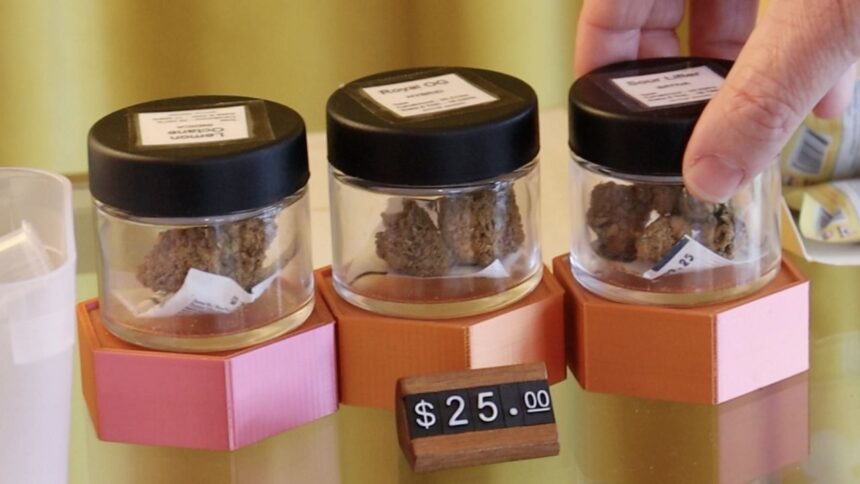
The new threshold effectively banned sales of THC‑A flower, a product that previously accounted for about 60% of revenue at several shops.
In addition, the state placed delta‑8 and similar compounds on its Schedule I controlled‑substance list, turning possession into a state‑jail felony.
“THC‑A, the flower, made up 60% of our business. So, not only did we lose that business, but customers were scared. They stopped coming in,” said Nicholas Mortillaro, owner of Botanic Bliss in Austin.
Mortillaro has turned to his childhood love of Pokémon to stay afloat, selling collectible cards at $10 per pack through smart kiosks.
“These have been going great for us. People love Pokémon cards; collectibles are hot right now,” he said. “I don’t need to age‑gate this product, I don’t need to explain how it works, or what the safety precautions are.”
He previously used the kiosk technology to sell intoxicating hemp products such as joints, according to Spectrum News.
Despite the new revenue stream, profits have plummeted compared to the pre‑rule era.
“Are we going to make rent at the end of this month? I have to do payroll this week. Those day‑to‑day concerns are still there,” Mortillaro said.
While some owners scrape by, others cite unsustainable losses.
Scottye and Becca O’Neal, founders of Hummingbird Hemp, closed their doors in December after revenue collapsed.
“Absolute stress,” Scottye O’Neal laughed. “Stress level has been through the roof.”
“And just defeat, too, because it felt like we were being shoved two steps back instead of being with the current times,” Becca O’Neal added.
The couple launched their business in 2019 after Texas adopted the state version of the farm bill, which introduced hemp into the market.
“We have a ton of legal states and yet here we are arguing over minute amounts of THC and things that have been proven to have medicinal benefits,” Becca said.
Both Mortillaro and the O’Neals now look to the upcoming election as a potential lifeline for the industry.
Mortillaro accuses Lt. Gov. Dan Patrick of targeting hemp with Senate Bill 3, a hemp‑ban measure pushed during the last legislative session.
“He said he’s going to do it again,” Mortillaro said. “I certainly believe him, that he’s going to stop at nothing to get that law passed.”
Vikki Goodwin, Patrick’s opponent for lieutenant governor, promises a regulatory framework that protects hemp jobs and businesses, according to her campaign website.
“I think the more local you go in some of these races, it can have huge impacts on the lives of people, how safe they feel in communities, and whether these products remain legal,” Mortillaro said.
Even if pro‑hemp officials win, the O’Neals doubt they will reopen their shop.
“Even if Hummingbird Hemp isn’t going to be here, we still want the industry to be here,” Scottye O’Neal said.