

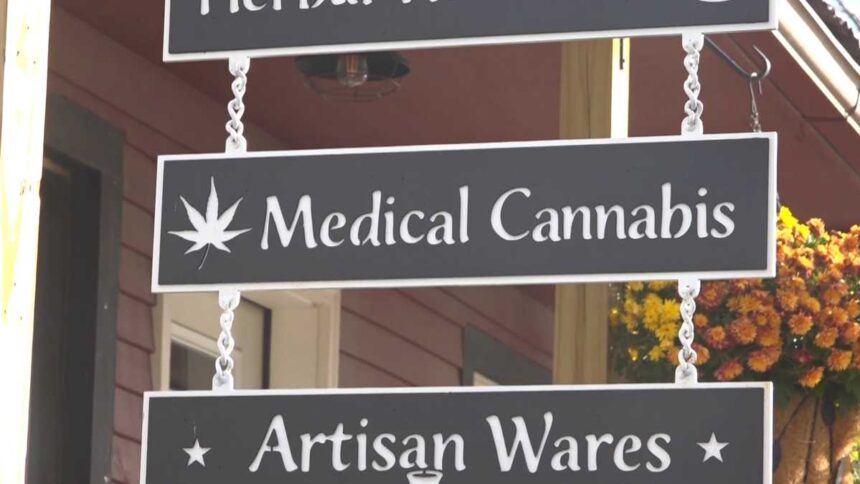
DEA reclassification of medical cannabis creates immediate confusion for Maine caregivers as the agency demands federal registration alongside state licensing.
Supplier losses
Shannon Lord, owner of Triple Goddess Wellness in Milo, says the DEA’s new registration requirement has caused her to lose roughly 90% of her suppliers. The agency now bars her from doing business with anyone who did not register federally.
Her patients depend on the exact inventory she provides, and the sudden supplier shortage forces them to start over with new vendors.
Federal registration concerns
The DEA’s reclassification forces medical cannabis operators to register a federally illegal business, creating a legal paradox for Maine caregivers.
“There is not much of a trust factor here. It feels like going back to 2010 when federal marshals showed up at our doors, uncertain if we would be raided,” said Catherine Lewis, director of education for Medical Marijuana Caregivers of Maine.
Because she operates on a month‑to‑month basis and serves a limited patient base, Lewis says the uncertainty could disrupt her business and her clientele.
Letter to congressional delegation
Lord wrote to Maine’s congressional delegation for clarification, and Rep. Jared Golden connected her with a hemp and agriculture aide.
She added that she drafted a proposal to amend the Controlled Substances Act, allowing states to continue operating as they have.
“The rule states the states are already doing what the feds require, so why duplicate a program that’s already working?” she said.
State and federal responses
The Maine Office of Cannabis Policy issued guidance for caregivers and stated that federal cannabis enforcement is beyond its authority.
“The administration and enforcement of federal cannabis law is outside of OCP’s purview and jurisdiction, and we have not received any guidance from federal agencies regarding these changes,” said Alexis Soucy, director of media & stakeholder relations.
The DEA has not responded to a request for comment.