
Hemp and rock dust could erase PFAS from U.S. soils
Scientists have unveiled a low‑cost, plant‑powered system that can strip toxic PFAS from farmland while sequestering carbon. The approach promises to restore contaminated acres without the billions‑dollar price tag of traditional clean‑up.
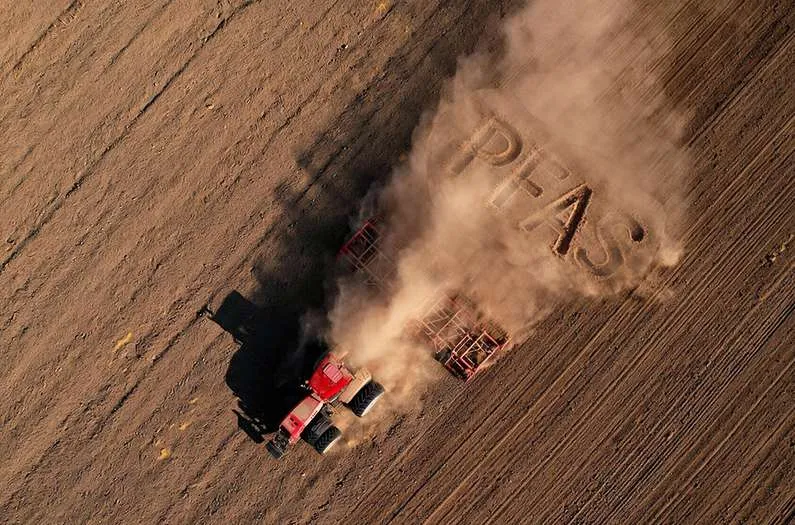
Decades of PFAS use in food‑contact products and fertilizers have left swaths of agricultural land laden with “forever chemicals,” forcing farms in states such as Maine to shut down after soil tests exceeded safe limits.
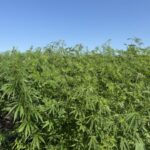
Yale University researchers built a remediation model using data from Maine farms and tested two PFAS types—PFOS and PFOAS—by applying basalt rock dust, cultivating hemp and perennial grasses, and converting plant cuttings into biochar.
The rock dust raises soil pH, making PFOS more mobile and easier for plants to absorb; trials showed a 20‑to‑40 percent faster decline of PFOS in treated soils.
When the harvested biomass is turned into biochar and spread on contaminated fields, it immobilizes enough PFAS to cut runoff by 95 percent, according to the study.
Together, the rock‑dust‑enhanced plant uptake and biochar application could bring U.S. soil PFAS levels below regulatory thresholds within ten years and remove roughly 10.5 million metric tons of CO₂ annually if scaled nationwide.
Conventional remediation would excavate and incinerate soil at an estimated $1.6 million per hectare, totaling about $8 trillion; the new method reduces annual costs to just $1,460 per hectare.
“We outline a path that allows farmers to continue to work their land while restoring soil health,” the authors said, noting the solution’s relevance in Europe, China, and the United Kingdom where millions of tons of sewage sludge are applied to fields each year.
Planavsky et al. “Integrated thermal and phytoremediation of agricultural soils impacted by PFAS.” PNAS. 2026.