Industrial hemp is poised to diversify Midwestern farms if regulators clear the path.
Summary
Lindsey Faulk, managing director of Farmers Alliance Exchange, says outdated policy is stalling industrial hemp development.
The Exchange, formed by farmers, aims to build a hemp market and processing facilities in Iroquois County, Illinois.
“Industrial hemp still falls under the DEA,” Faulk says. “A hemp that you cannot get high on is still being scrutinized, and in doing so, it’s really held us back.”
Current regulations require pre‑harvest THC testing, which discourages farmers from adopting the crop.
Faulk notes many varieties test zero for THC, but testing remains time‑consuming and costly.
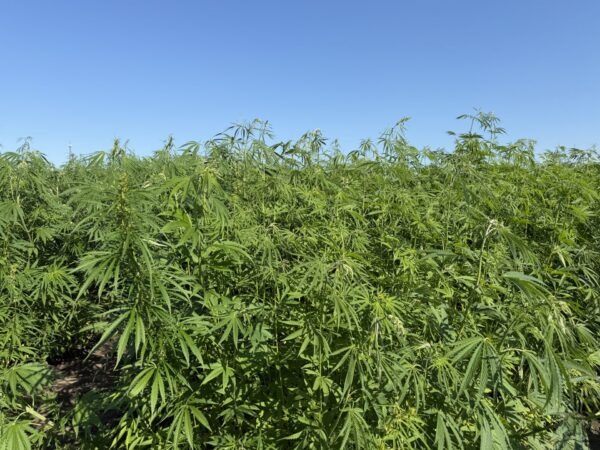
She says industrial hemp offers multiple revenue streams—seed for food, stalk for fiber, and feedstock for hempcrete and carbon materials—making it an attractive diversification option, especially after soybeans.
Faulk adds that industrial hemp is unaffected by the pending federal ban on intoxicating hemp, but lawmakers must address industry concerns to unlock market potential.