
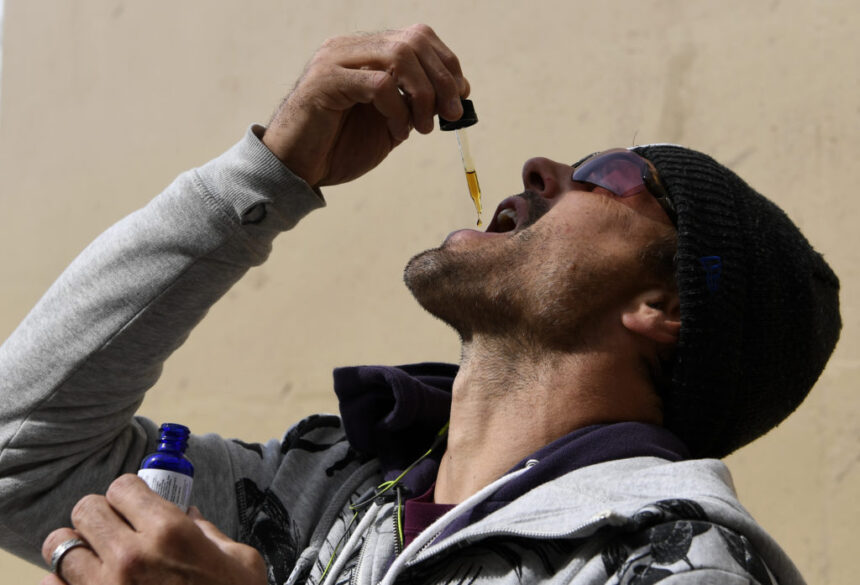
CBD products now line gas station shelves, pet kennels, and White House cafés, but selling them is illegal.
Legal Contradictions
The 2018 Farm Bill removed federal restrictions on hemp-derived CBD, allowing sales as long as THC stays below 0.3%. Yet the law still classifies any product with higher THC as marijuana, a Schedule I drug.
Retailers can legally sell CBD in many states, but some—like Virginia—require a prescription, and federal agencies still prohibit health claims, leaving the market in a gray zone.
Science of Cannabis
Cannabis sativa contains dozens of cannabinoids, and the only chemical difference between CBD and THC is a pair of bonds.
THC activates the CB1 receptor, while CBD influences the body’s own endocannabinoids.
Hemp plants naturally produce high CBD and low THC, but cross‑pollination can create THC‑rich offspring, turning a legal hemp crop into a marijuana field.
Extractors must use certified solvents—CO₂ or ethanol in Connecticut—to avoid THC contamination and chemical residues.
Regulation and Quality
The FDA only approves CBD for the epilepsy drug Epidiolex; all other uses violate federal rules.
Manufacturers therefore rely on third‑party labs to verify potency and purity.
Faulty extractions can leave THC, solvents, or pesticides in the final product, creating legal and health risks for consumers.
State laws differ; some ban CBD entirely, while others impose prescription requirements, complicating national compliance.
Industry Outlook
The University of Connecticut launched the nation’s first college course on cannabis cultivation this year to train growers in scientifically sound methods.
Sales are projected to hit $80 billion by 2030 as the market expands.
Connecticut’s new hemp program, approved this spring, promises $37,000‑$150,000 gross per acre, offering a lifeline to struggling dairy farms.
DEA officials say they will not pursue individual consumers, delegating enforcement to the FDA, which warns of potential liver, digestive and reproductive side effects.