
Cannabis Concentrates: Trends and Insights from the U.S. and Canada
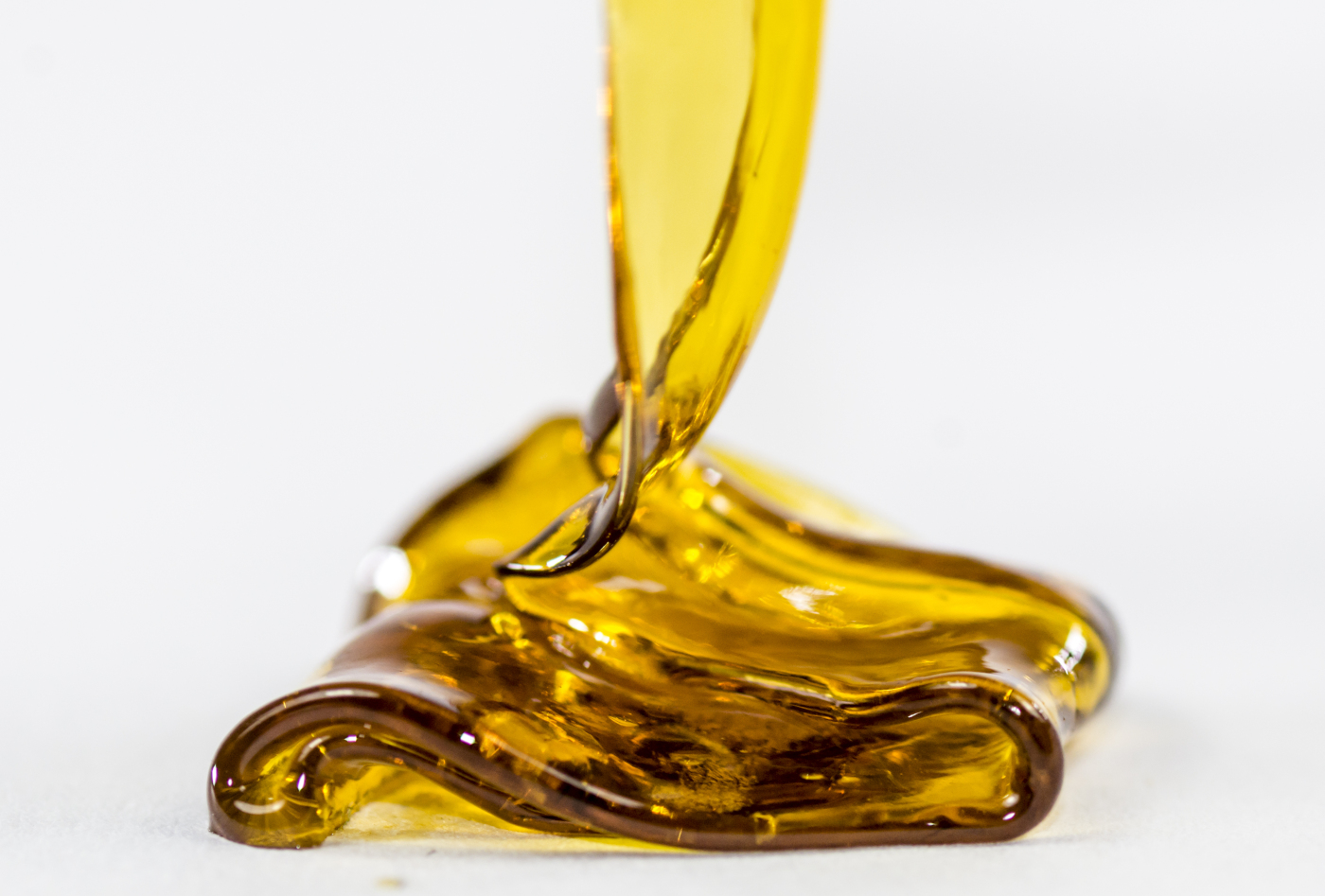
Cannabis Concentrates are a lot like the orange juice concentrate in your fridge—both are the results of extracting the best parts of the plant to yield even higher potency. In the case of cannabis, cannabinoids (THC in particular) often are prioritized for high potency. From the simple use of pressure and heat to create rosin to the more sophisticated solvent‑based extraction process for distillates, there are a variety of ways concentrates can be produced. Different extraction methods create different consistencies as well, ranging from glass‑like “shatter” to thick, icing‑like “budder.”
The concentrate category is important in both the United States and Canada, but consumer buying preferences within the concentrates category vary greatly. First, concentrates hold more of the market in the U.S. than in Canada. In the U.S., concentrates account for 9.5 percent of total cannabis sales — 6.6 percent more market share than in Canada, where the category has only 2.9 percent of the market.
Within the concentrates category, hash is more popular in Canada with 26 percent market share; live resin leads in the U.S. with 33 percent of sales within the category. In terms of packaging, consumers in the U.S. prefer a one‑gram package size, which accounts for 96 percent of units sold — significantly higher than Canada’s 71 percent. As for strains, 17.9 percent of Canadian consumers say their favorite strain is “indica‑only” while GG#4 holds the top spot in the U.S., though with only 1.4 percent market share.
All sales, market share, unit volume, pricing, and demographic data for this report are sourced directly from Headset Insights. Graphs labeled “2021 YTD” cover the period between January 1 and June 30, 2021.
Market Share of Cannabis Categories by Country
When we focus on concentrates from January through June 2021, we see the U.S. prefers concentrates much more than Canada, boasting a 6.6‑percentage‑point greater market share. In both countries, concentrates rank as the fifth‑most‑popular category, sitting just 0.4 percent behind edibles and well behind flower, the dominant category. Flower’s market share has fallen in Canada since “cannabis 2.0” products rolled out, now holding 51.5 percent of the market, while vapor pens, edibles, and concentrates are gaining traction.
Market Share of Cannabis Concentrates by Country
Although the concentrates market dipped slightly in the third quarter of 2021, the U.S. continues to hold a larger share than Canada — by more than a 5‑percent margin. After the rollout of cannabis 2.0 categories, Canada’s concentrates market share grew quickly and has continued to trend upward, gaining roughly 3 percent over the past eighteen months.
Market Share of Concentrates by State and Province
It is essential to keep in mind that cannabis laws and regulations differ markedly between the United States and Canada, which influences state‑ and province‑level comparisons. For example, Pennsylvania law prohibits certain categories such as pre‑rolls because smoking flower remains illegal there; flower may be consumed only via vaporization. Consequently, Pennsylvania leads the U.S. concentrate market, reflecting its medical‑only framework that drives higher vaporization use.
Sales Share of Concentrate Segments by Country
Breaking down the sales share of concentrates by country through June 2021, live resin and wax dominated the U.S. market with 33 percent and 24 percent share, respectively. Hash remained the top seller in Canada at 26 percent, followed closely by shatter at 24 percent. This contrast highlights differing consumer tastes: shatter is a leading product in Canada but accounts for only 14 percent of the U.S. concentrate market.
Package Sizes by Country
Package‑size preferences reveal a stark divergence. In the United States, the one‑gram format captures 96 percent of concentrate units sold, whereas half‑gram packages are far less common. In Canada, the split is more balanced: 71 percent of sales come from one‑gram packages and 29 percent from half‑gram options.
Average Price by Segment in the United States
Concentrate prices in the U.S. generally stay below the $35 mark. Popular segments such as live resin, shatter, and wax have shown stable pricing over time, while niche products like Rick Simpson oil rose from roughly $20 to $30 in 2020. Rosin, despite representing only about 7 percent of the market, commands the highest average price — often exceeding $50 — suggesting that consumers are willing to pay a premium for solvent‑less extracts.
Wallet Share by Demographic Group in the United States
Data from Headset Insights indicate that Gen Z males are the leading consumers of concentrates, contributing 14 percent of total sales to the category. Male millennials follow closely with 11.9 percent of wallet share. Across all age groups, male consumers consistently outspend female counterparts on concentrates, and wallet share declines with age — baby boomers, for instance, account for just 5 percent of concentrate sales.
Market Share of Top Concentrate Strain by Country
Because the U.S. market offers a far larger variety of strains, individual strain market shares tend to be lower. In Canada, “indica‑only” captures 17.9 percent of the concentrate market, making it the top strain. In the United States, the leading strain GG#4 holds only 1.4 percent of the market, reflecting the fragmentation of strain preferences across a broader catalog.
Conclusion
While cannabis concentrates represent a smaller slice of overall sales, they remain a dynamic and noteworthy segment in both the United States and Canada. Monitoring shifts in product type, packaging, pricing, and consumer demographics can provide valuable insights for cultivators, processors, and retailers aiming to meet evolving demand.
Key Takeaways
- Concentrates are more popular in the U.S. than in Canada, with a 6.6‑percentage‑point greater market share (U.S. 9.5 % vs. Canada 2.9 %).
- U.S. consumers favor live resin and wax; Canadian consumers prefer hash and shatter.
- One‑gram packaging dominates in the U.S. (96 % of units), while Canada shows a more even split between one‑gram and half‑gram sizes.
- Male, younger buyers drive the majority of concentrate wallet share, with spending decreasing among older demographics.
For more details on the data and methodology behind this analysis, see the original source: Here.
Cy Scott is co‑founder and chief executive officer at Headset Inc., where he transforms retail data into real‑time cannabis market insights. He authors the weekly blog “Cannabis Packaged Goods,” co‑founded Leafly, and regularly speaks on industry trends. His expertise in cannabis analytics and retail strategy underpins the information presented in this article.