

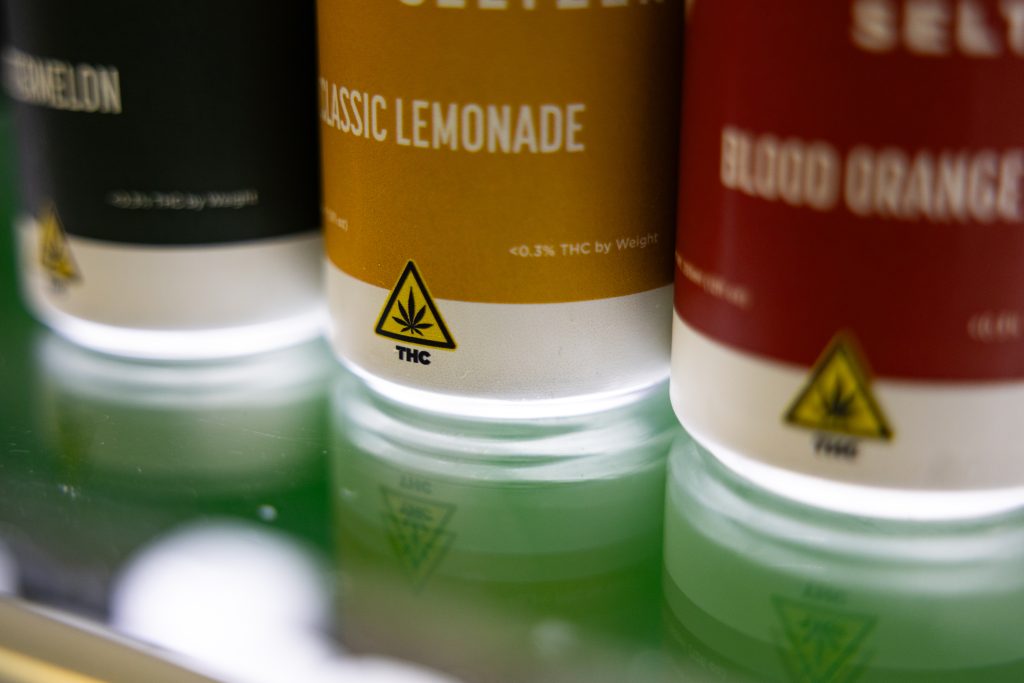
Hemp Beverages Rise as Alcohol Consumption Declines
Market Shifts and Regulatory Uncertainty
Almost all of the business owners and representatives invoked the phrase “social lubricant.” It sounds both poetic and scientific, and the underlying message is simple: if you’re looking for an alternative to alcohol, give hemp‑infused drinks a try.
The shift makes economic sense. A Gallup poll released last year found that alcohol consumption has fallen to its lowest point in nearly nine decades, with only 54 % of U.S. adults reporting they drink.
At the same time, those same entrepreneurs said demand for hemp‑based beverages has surged. Another Gallup survey indicates that roughly one‑half of Americans have tried marijuana, and about one in six describe themselves as current users.
“It’s just a health thing,” said Jage, a 56‑year‑old entrepreneur. “When I drink too much alcohol the night before, I struggle to get moving in the morning. Hemp drinks and low‑dose THC give me the same social feel without the hangover.”
Whatever the motivation, owners report attracting a broad customer base.
“Everybody,” said Latham, when asked who buys their products. “From 21‑year‑olds who have sworn off alcohol, to grandparents seeking a milder option.” She added that the core demographic leans toward men aged 25‑35, but the appeal stretches to seniors, fitness enthusiasts, and gamers.
These drinks are showing up in restaurants, corner stores, grocery chains, and even big‑box retailers like Target.
With such a wide audience, the revenue potential is significant. Whitney Economics estimates the Texas hemp market at roughly $5.5 billion.
Yet optimism is tempered by regulatory uncertainty. Most of the products on display at the expo remain legal only because the 2018 Farm Bill exempts hemp containing less than 0.3 % delta‑9 THC.
“If that provision were removed overnight, it would be a massive problem,” warned Racino. “Many businesses would face immediate job losses because they have no alternative revenue stream to fall back on.”
Hupp noted that Texas itself has seen a back‑and‑forth legal landscape. “We’re currently in litigation to keep hemp legal in the state,” she said, adding that the situation can change from week to week.
Brooks echoed the call for clear, sensible rules: “We advocate low‑dose THC hemp beverages because they match what consumers want nationwide. Smart labeling, age‑gated ID checks, and consistent packaging would let the industry thrive.”
For many operators, the path forward lies in learning from alcohol’s regulatory model.
Hupp envisions a future where cannabis and hemp are treated like any other adult beverage—clear labels, reliable packaging, and strict age verification—so consumers can choose them safely.
Despite the challenges, the expo floor was upbeat. “Consumers always win,” Racino said. “They vote with their dollars, and there’s broad, bipartisan support for hemp drinks. I’d wager something gets resolved before November.”