
Texas Supreme Court Rules Against Delta‑8 THC Industry
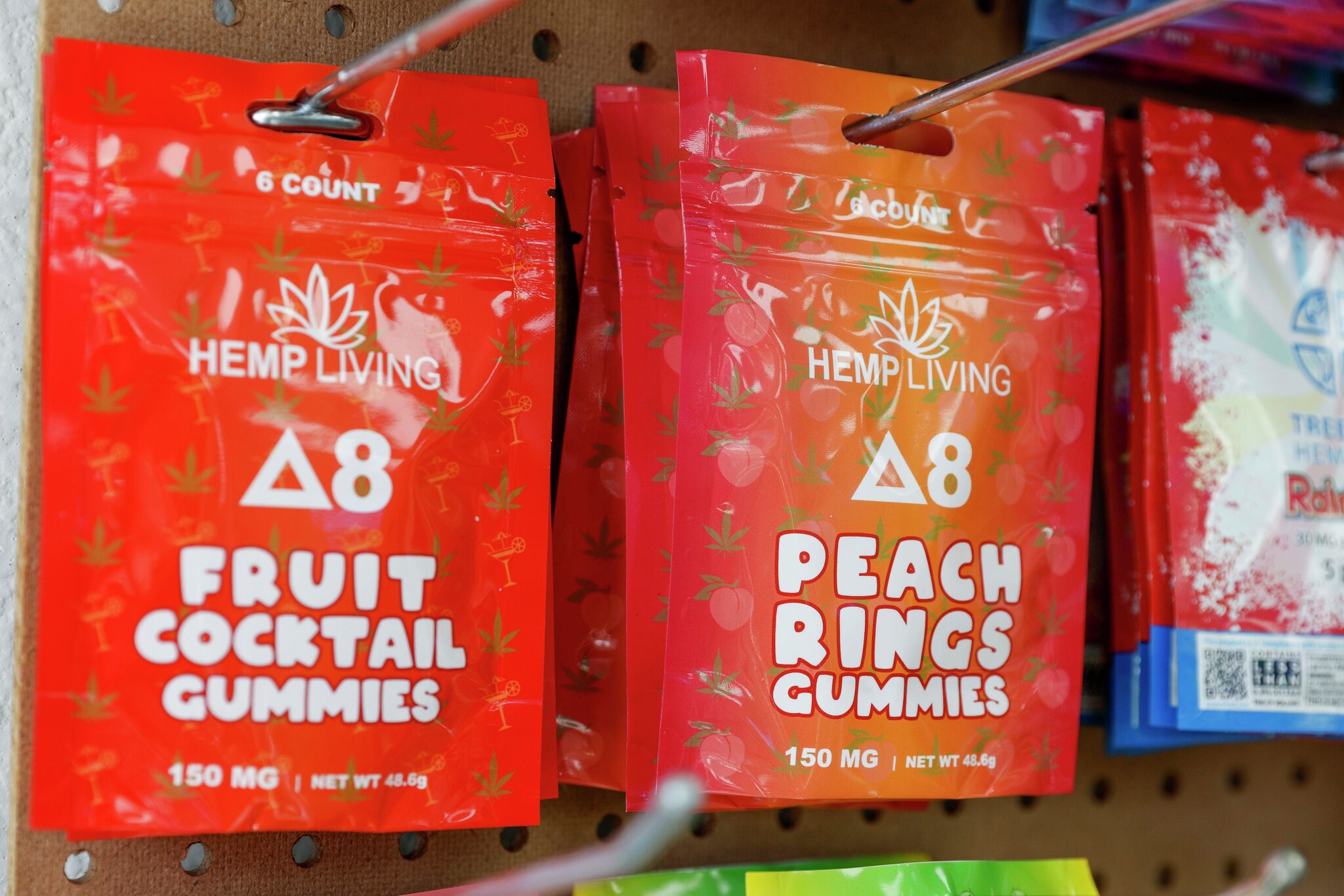
In a unanimous decision issued earlier this month, the Texas Supreme Court rejected the argument that intoxicating cannabinoids derived from hemp—most notably Delta‑8 THC—are permissible under state law. The 30‑page opinion emphasized that the Legislature granted the Texas Department of State Health Services (DSHS) the authority to schedule controlled substances, a power that extends to novel synthetic cannabinoids as they emerge.
The ruling is rooted in the Texas Controlled Substances Act, which tasks the executive branch with responding swiftly to public‑safety threats from illicit substances. By affirming DSHS’s regulatory reach, the court closed a loophole that had allowed businesses to market Delta‑8 products as “legal hemp” despite their psychoactive effects.
Background on the Hemp Loophole
The 2018 federal Farm Bill legalized hemp defined as cannabis containing no more than 0.3 % Delta‑9 THC on a dry‑weight basis. Texas mirrored this definition in its 2019 hemp statute, intending to foster a legitimate industrial hemp market for fiber, seed, and non‑intoxicating cannabinoids such as CBD.
Industry advocates seized on the wording, arguing that chemically converting CBD into Delta‑8 THC created a product that fell outside the statutory definition of THC. The Texas Supreme Court disagreed, noting that the law’s purpose was to prevent the proliferation of intoxicating substances, not to enable end‑runs around it.
Court’s Reasoning and Implications
Justice Nathan L. Hecht, writing for the court, framed the decision as a lesson in federalism and separation of powers. The opinion highlighted that:
- DSHS possesses the expertise and statutory mandate to schedule substances that pose a risk to public health.
- The ruling applies not only to Delta‑8 THC but also to any future synthetic cannabinoid variants that mimic THC’s effects.
- By upholding the agency’s authority, the court reinforces the state’s ability to adapt its controlled‑substance schedule as new chemistries appear.
Legal analysts view the ruling as a precedent that could deter similar attempts to exploit definitional gaps in other states.
Travis County Injunction and Ongoing Litigation
On the same day the Supreme Court released its opinion, a Travis County district judge extended a temporary injunction that permits the sale of certain intoxicating THC products while the state’s appeal proceeds. The injunction specifically addresses a claim made by retailers that tetrahydrocannabinolic acid (THCA) does not constitute THC under current law.
THCA is the non‑psychoactive precursor to Delta‑9 THC; when heated—through smoking, vaping, or cooking—it decarboxylates into Delta‑9 THC, which remains illegal under both Texas statute and federal law. The judge likened the THCA argument to claiming a beverage is “sugar‑free” because it contains high‑fructose corn syrup instead of sucrose, underscoring the scientific reality that the compound converts to a controlled substance upon consumption.
THCA Argument Examined
Experts in cannabis chemistry note that THCA’s stability is temperature‑dependent. At room temperature, a fraction slowly converts to Delta‑9 THC, but any appreciable heat triggers rapid decarboxylation. Consequently, products marketed as “THCA flower” or “THCA vape cartridges” can deliver psychoactive doses comparable to traditional marijuana.
The Texas Department of State Health Services has issued guidance warning consumers that THCA‑containing products are subject to the same scheduling as Delta‑9 THC, a position reinforced by the recent Supreme Court ruling.
Federal Outlook and Industry Response
Beyond state actions, the federal government is moving to close the hemp‑THC loophole nationally. The Drug Enforcement Administration (DEA) announced a notice of proposed rulemaking slated for November 2025 that would explicitly classify synthetically produced Delta‑8 THC and similar compounds as Schedule I substances.
Industry groups have responded with lobbying campaigns and public‑relations efforts arguing that such a ban would harm small businesses and impede access to purported wellness products. Public‑health officials counter that the absence of standardized dosing, labeling, and contaminant testing poses significant risks, particularly to adolescents and inexperienced users.
Upcoming Federal Rulemaking
The DEA’s proposal cites data from the Centers for Disease Control and Prevention (CDC) showing a rise in emergency‑room visits linked to unregulated Delta‑8 products, including cases of severe anxiety, vomiting, and loss of consciousness. If finalized, the rule would require manufacturers to obtain federal licenses—a hurdle most current operators cannot meet—effectively removing these items from gas stations, smoke shops, and online retailers.
Broader Public Health and Policy Considerations
The debate over hemp‑derived intoxicants intersects with broader conversations about cannabis legalization. While some states have embraced regulated adult‑use markets, others are reassessing the public‑health impact after several years of commercialization.
A 2018 study published in JAMA Internal Medicine estimated that for every dollar of marijuana tax revenue generated in Colorado, the state incurred approximately five dollars in combined healthcare expenditures and lost productivity (source). More recent analyses from Colorado’s Legislative Council Staff indicate a growing Medicaid burden tied to cannabis‑related diagnoses, contributing to a projected state budget shortfall despite tax inflows.
Editorial voices have begun to reflect these concerns. In February 2025, The New York Times observed that legalization “has led to worse outcomes than many Americans expected” and recommended stricter potency caps, enhanced packaging standards, and increased funding for prevention programs (source).
Evidence on Cannabis Legalization Outcomes
Polling data suggest shifting attitudes, especially among younger conservatives. A Pew Research Center survey released in March 2025 found that support for nationwide marijuana legalization fell to 48 % among respondents aged 18‑29, down from 55 % two years earlier (source). Respondents cited worries about impaired driving, youth access, and uncertain long‑term health effects as primary reasons for their skepticism.
These trends underscore the importance of grounding drug policy in empirical evidence rather than industry‑driven narratives. Policymakers who prioritize public‑health data, transparent regulation, and rigorous enforcement are better positioned to balance potential benefits with demonstrable risks.
Conclusion: Policy Should Follow Evidence
The Texas Supreme Court’s decisive stance against Delta‑8 THC sends a clear message: legal loopholes will not be tolerated when they threaten public safety. Coupled with forthcoming federal restrictions and a growing body of research highlighting the societal costs of unchecked cannabis commercialization, the trajectory points toward a more cautious, evidence‑based approach to cannabinoid regulation.
As legislators, health agencies, and communities navigate this evolving landscape, the focus must remain on protecting consumers—especially vulnerable populations—while fostering legitimate markets for non‑intoxicating hemp products such as fiber, seed, and CBD. Only through transparent, data‑driven policy can Texas and the nation achieve a balance that safeguards public health without stifling innovation.
Source: Here