

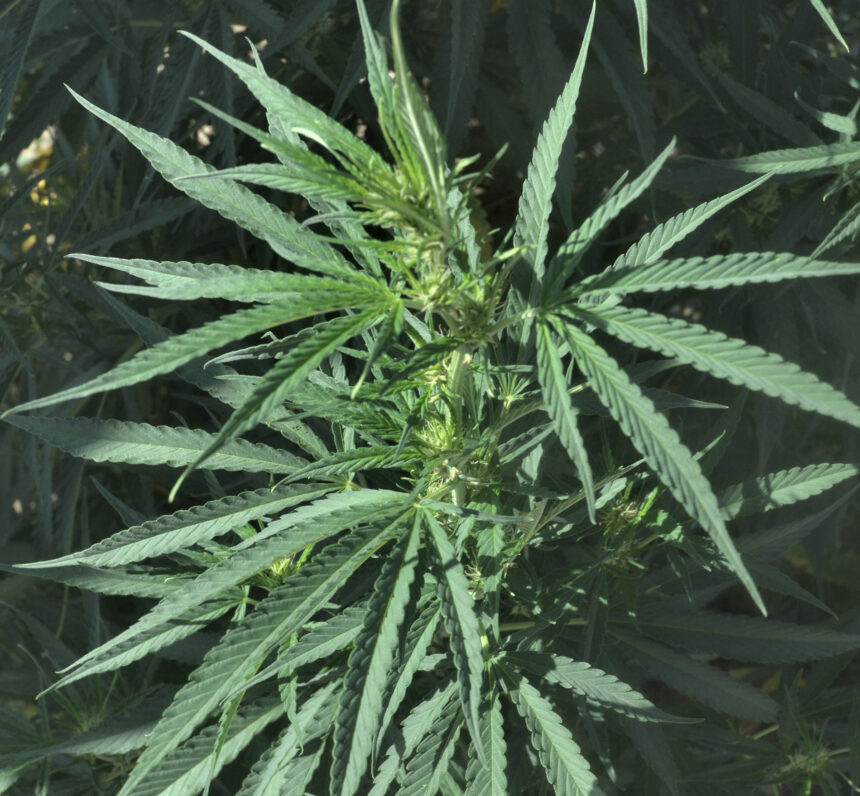
Industrial hemp acreage in Texas has barely moved after legalization, experts say. The crop faces climate, market and regulatory hurdles that keep growers from scaling up.
Texas A&M AgriLife Extension agronomist Calvin Trostle says the industry remains in its infancy, with research still defining varieties and management practices for the state’s unique conditions.
Since the 2019 legalization, hemp hysteria faded as the market became saturated. THC testing rules forced producers to curb plant maturity.
Fiber emerges as a possible alternative. Breeders must adapt varieties to Texas latitudes where long summer days trigger early flowering, Trostle notes.
Seed costs stay high — $1,200 to $3,500 per acre for female CBD seeds. This far exceeds corn’s $75 to $100 and sorghum’s $8 per acre, limiting profitability.
Processing infrastructure and consistent buyers are missing. This leaves Texas growers without a stable market for fiber or grain.
Regional Updates
Hot, humid conditions with little rain left corn in the dent stage and wheat yields disappointing. Cotton vigor improved and planting continued despite pest pressure.
Heavy rains delayed cotton planting and wheat harvest, causing below‑average yields. Cotton emerged well, peanuts thrived, and cattle grazed well despite wet pastures.
Persistent wetness halted fieldwork and created standing water. Cotton performed average, grains looked good, and livestock conditions stayed strong.
Eight to fifteen inches of rain caused flash flooding and water‑logged fields. Cotton grew well, peanuts bloomed, and cattle remained in good shape.
Monsoon rains brought up to 11 inches, causing flash floods but drought persisted. Producers irrigated cotton and pecans while drought‑stressed rangeland began to recover.
Hot, dry conditions persisted until recent rains aided wheat harvest and hay baling. Cotton planting started strong, insect pressure rose, and feeder cattle prices edged higher.