
CBD Products Face Legal Gray Zone Despite Growing Popularity
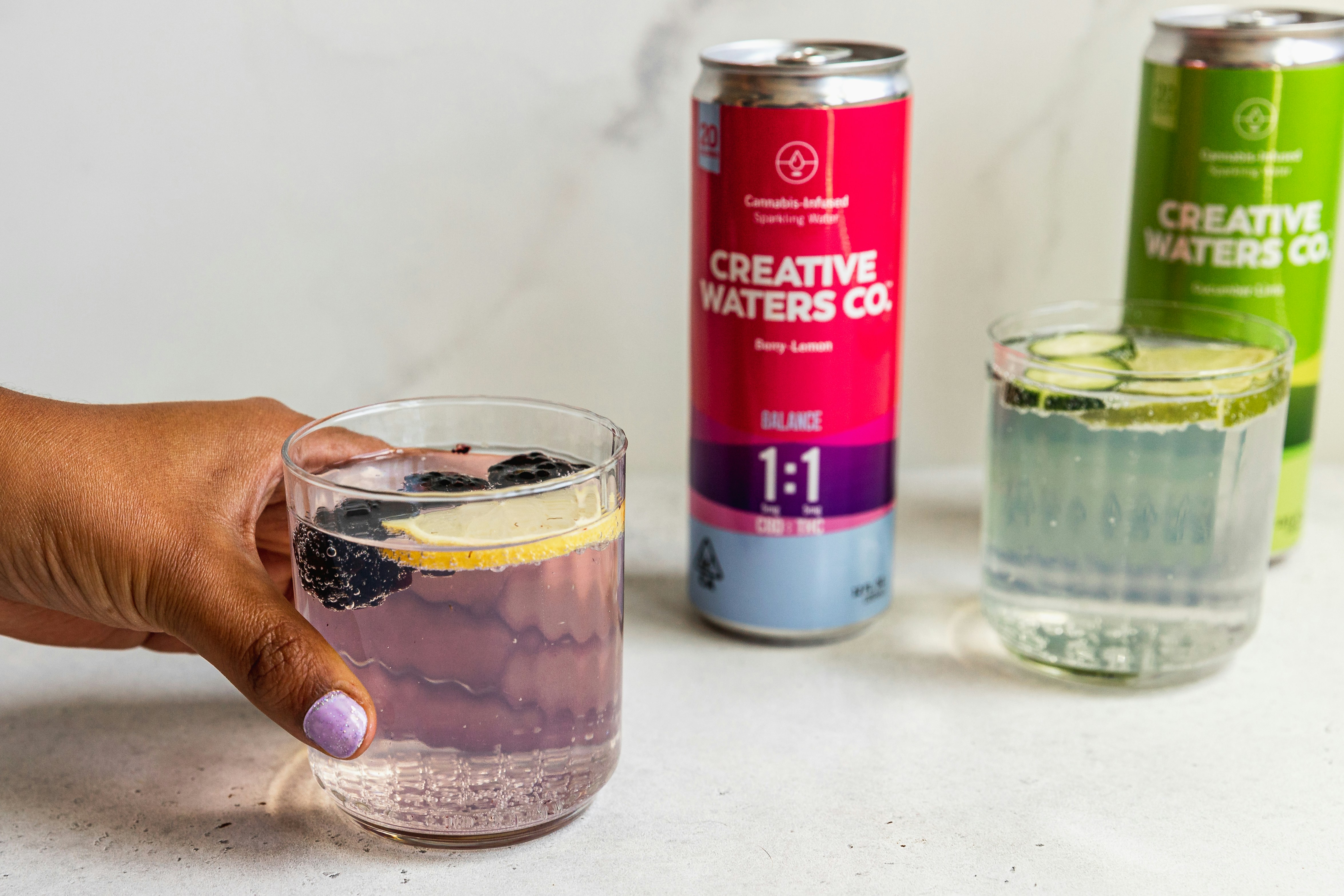
CBD‑infused gummy bears, lattes, and other food, drink, and supplement items are flying off shelves even though federal officials still consider them illegal. The tension between booming consumer demand and regulatory uncertainty has prompted lawmakers in the nation’s two largest states—Texas and California—to pursue bipartisan measures that would sidestep the federal ban.
Federal Stance and FDA Oversight
The U.S. Food and Drug Administration oversees cannabidiol because it is the active ingredient in an approved prescription drug for two rare seizure disorders. According to the FDA, CBD cannot be lawfully added to food or marketed as a dietary supplement until the agency determines its safety and effectiveness for other conditions. FDA Commissioner Scott Gottlieb told Congress that enforcement is currently focused on sellers who make unsubstantiated health claims, warning three companies that promoted CBD as a treatment for cancer, Alzheimer’s, fibromyalgia, and drug addiction.
Gottlieb acknowledged that many CBD products remain on the market without agency action, given limited resources and current enforcement priorities.
State and Local Enforcement Actions
While the federal government holds the ultimate authority, most enforcement actions against CBD are being carried out by state and local health officials. In California, which runs the nation’s largest legal marijuana marketplace, health inspectors warned retailers last summer that any edible containing CBD is illegal unless state lawmakers or regulators say otherwise. The warnings were largely ignored until early this year, when officials began compelling some small businesses to remove CBD‑infused items after receiving complaints.
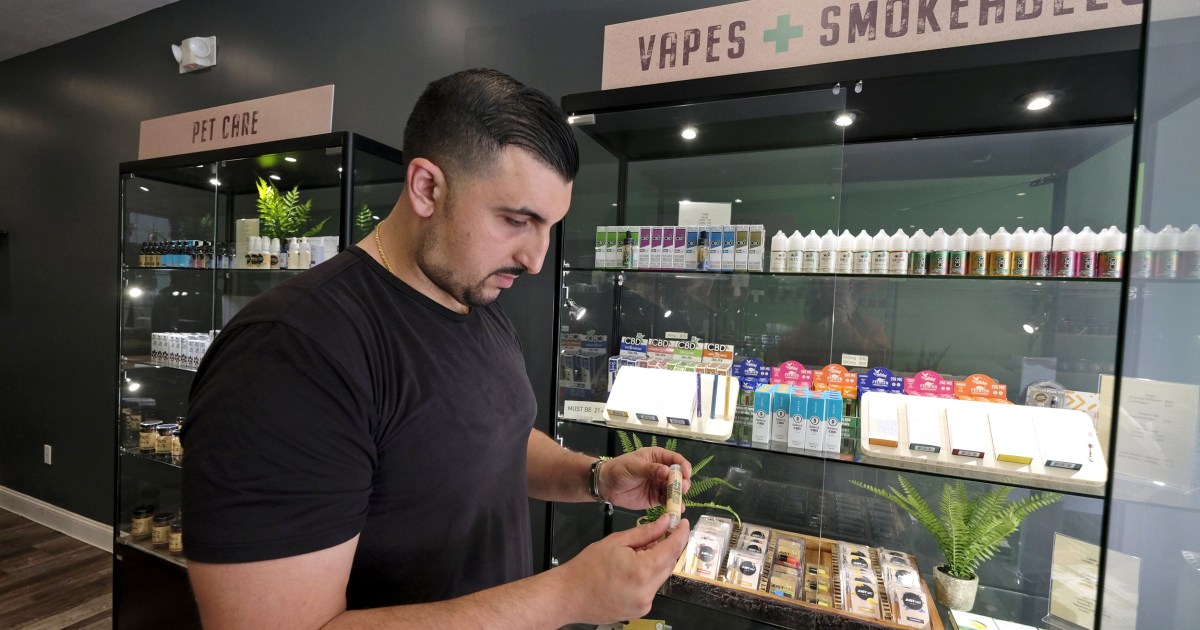
San Francisco health officials recently barred two small operators from selling CBD‑infused food and drink, while authorities in rural Grass Valley, about 140 miles away, issued similar orders to a cooperatively owned grocery store. Similar scenarios have unfolded in Ohio, New York City, and Fort Worth, Texas, where local prosecutors have declared CBD illegal and seized products from retailers.
Impact on Business Owners
Jonathan Eppers, founder of the CBD‑infused beverage brand Vybes, felt the brunt of this patchwork enforcement. In January, California health inspectors raided his Los Angeles warehouse and impounded $100,000 worth of product. Since then, roughly 50 California retailers have dropped his line, and Eppers shifted production to Texas. He estimates that lost sales, legal fees, and relocation costs have exceeded $500,000.
“What is going on is unbelievable and asinine,” Eppers said. “They put us in this state of limbo that’s costing us.”
Legislative Moves in Texas and California
Despite often being on opposite sides of the political aisle, lawmakers in Texas and California are advancing bipartisan bills aimed at clarifying the legal status of hemp‑derived CBD. In Texas—a state that currently outlaws all forms of marijuana—a measure to legalize hemp‑oil‑infused edibles sailed through its first House committee this week. In California, a comparable CBD bill has progressed to the full Assembly.
Assemblywoman Cecilia Aguiar‑Curry, a Democrat from the Napa area who introduced the California legislation, explained that the goal is to eliminate confusion: “A number of people have been using it for years, and you can find it on retail shelves all over the place, but now people are surprised to find it’s against the law. This bill will clear up the confusion.” She hopes the measure becomes law by August, which would halt state and local enforcement of the FDA’s ban on CBD in food and supplements.
Industry advocates such as Jim Gross of the U.S. Hemp Roundtable argue that lifting the legal cloud would legitimize California businesses that have operated in good faith for years.
Federal Lawmakers Urge FDA Action
A growing contingent of federal legislators, including Senate Majority Leader Mitch McConnell and Democratic Sen. Ron Wyden of Oregon, are pressing the FDA to reconsider its stance on CBD. In a February letter to the agency, McConnell and Wyden highlighted hemp’s versatility and urged the FDA to work with Congress on implementing legislation that would remove hemp from the list of banned substances.
“Hemp is a versatile crop with many uses and applications,” they wrote. “We are hopeful that by working with you on the implementation of our legislation, we can help ensure that hemp can be a new cash crop for farmers across the country.”
Looking Ahead
The FDA announced it will hold a public hearing in May to gather more information about CBD’s safety and efficacy. Until a clear federal framework emerges, businesses and consumers will continue to navigate a patchwork of state and local rules, with many hoping that forthcoming legislation in Texas and California will finally end the confusion.
Subscribe to read this story ad-free
Get unlimited access to ad-free articles and exclusive content.