
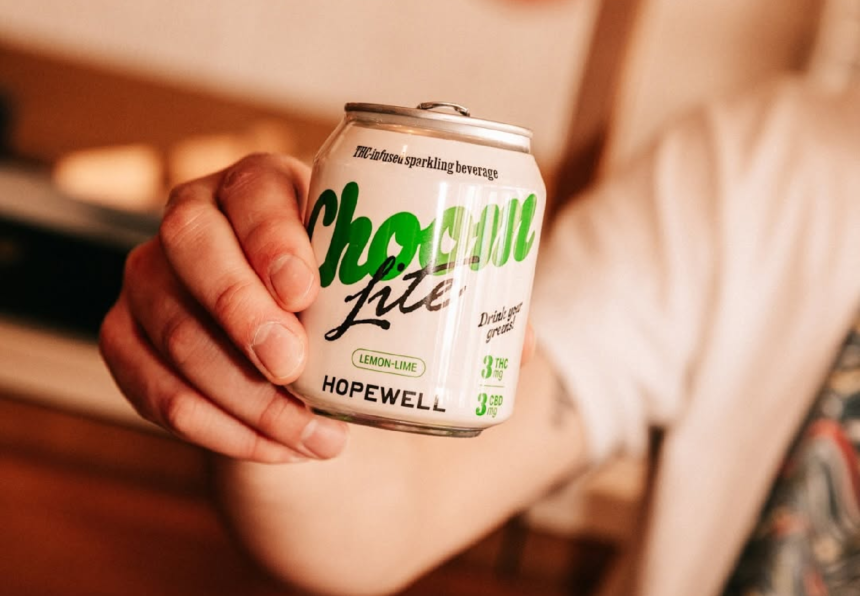
Now is the perfect moment for Chicago drinkers to stock up on hemp‑derived THC beverages. Buy‑one‑get‑one deals are live at Hopewell Brewing in Logan Square and Revolution Brewing in Avondale, while Binny’s marks down every THC beverage on its shelves.
The Rise Of THC Drinks
Brewers have halted production, fearing the upcoming Illinois law that will restrict sales to licensed dispensaries. Their suspension signals the end of easy‑access THC drinks for consumers.
The new state law effective November 12 classifies hemp‑derived THC drinks as cannabis, forcing them out of grocery and liquor aisles. Retailers must move the products into state‑run dispensaries or cease sales.
A federal ban scheduled for December will tighten the THC limit to 0.3 percent and cap each container at 0.4 milligrams, rendering most Chicago‑made drinks illegal. Producers whose drinks exceed the new thresholds will face penalties.
Since 2020, when Illinois legalized cannabis, hemp‑derived THC drinks have boomed, giving craft breweries a new revenue stream without visiting a dispensary. The market has expanded rapidly as consumers seek alternatives to alcohol.
The 2018 Farm Bill’s hemp loophole allowed producers to concentrate THC, sparking a market that quickly spread beyond states with legal cannabis. This legal opening created a nationwide industry worth billions.
Chicago breweries such as Revolution, Hopewell and Marz have credited these drinks for rescuing declining beer sales. The products attracted new customers and boosted lagging taproom revenue.
Critics argue the products are too accessible to underage consumers; at least two Chicago alderpeople have banned them in their wards, and the City Council voted in January to ban most hemp THC items, except beverages, before Mayor Brandon Johnson vetoed the measure. Opponents say the ease of purchase threatens public health.
President Donald Trump signed a law in December that lowers the allowable THC concentration to 0.3 percent of total product and limits each container to 0.4 milligrams, a threshold most Chicago drinks exceed. That change makes the majority of locally produced THC beverages illegal under federal rules.
Congress delayed the federal ban by one month, but the delay stems from political pressure, according to Governor JB Pritzker’s office, which declined to comment. The postponement highlights partisan resistance to stricter regulation.
Marszewski, co‑owner of Kimski, says stricter regulations are welcome and calls for third‑party testing, 21‑plus age limits and taxation to fund public services. He argues that responsible production can coexist with tighter rules.
Revolution Brewing’s Josh Deth notes customers often don’t understand why the state is removing products they consider adult beverages comparable to alcohol. He says the lack of clarity hampers consumer trust.
Industry advocates say public awareness remains low, making state‑wide campaigns difficult, especially during election season. Without voter attention, the industry risks permanent shutdown.
Binny’s store at 2409 N. Elston Ave. posted a countdown sign urging shoppers to purchase remaining THC drinks before the ban takes effect. The notice promises markdowns and hopes for future policy reforms.
Support Local News!
Readers can support Block Club Chicago, an independent 501(c)(3) newsroom, by subscribing or making a tax‑deductible donation.