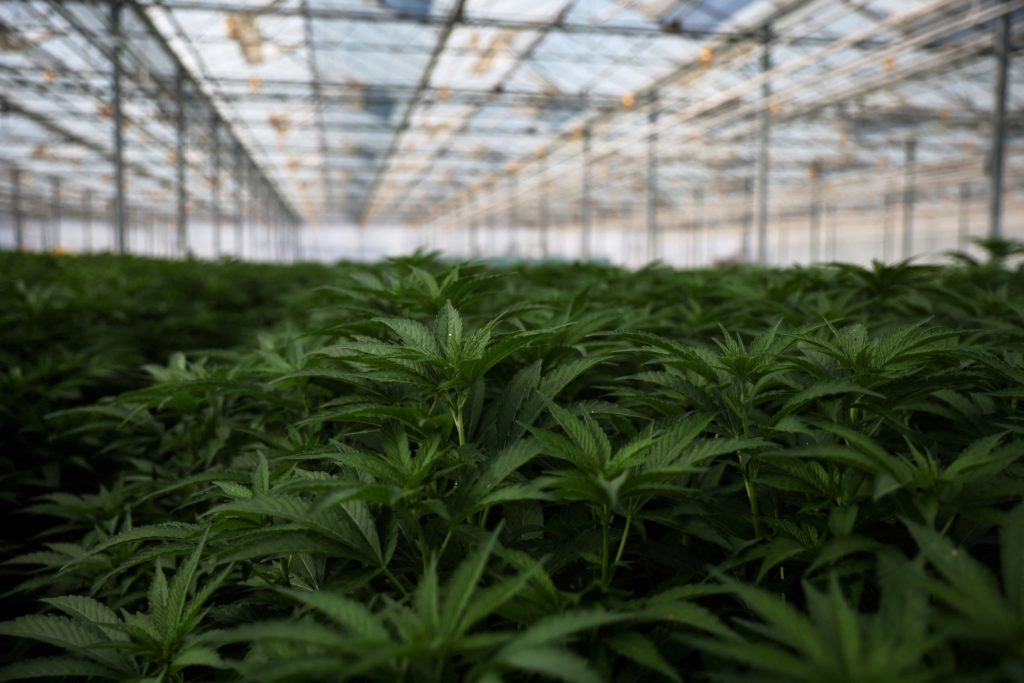


Introduction to the Lawful Hemp Protection Act
The Lawful Hemp Protection Act (LHPA), introduced by Kentucky Representative Andy Barr, seeks to update the 2018 Farm Bill and refocus U.S. industrial hemp policy. First made public earlier this month, the draft legislation tackles the growing concern over synthetic intoxicating hemp products while aiming to secure a clear legal standing for non‑intoxicating CBD goods. Industry analysts, including those at HempToday.net, note that the bill’s emphasis on cannabinoids has sparked debate about whether it will adequately support broader industrial applications such as fiber, food, and feed.
Reforming Cannabinoid Markets and Industrial Hemp Policy
Addressing the Intoxicating Hemp Market
The LHPA’s initial draft proposes several measures designed to curb the “intoxicating hemp” sector that has emerged since the 2018 Farm Bill. This gray market, which often targets younger consumers with products marketed as legal highs, has drawn scrutiny from regulators and public‑health officials. The bill aims to:
- Limit the economic activity surrounding synthetic intoxicants derived from hemp.
- Establish a defined legal framework for non‑intoxicating CBD products, ensuring their continued availability for consumers and retailers.
The 2018 Farm Bill’s Unintended Consequences
While many view these provisions as a necessary step to protect the legitimate hemp sector, critics argue that the heavy focus on cannabinoids has eclipsed the plant’s broader industrial promise. The 2018 Farm Bill, which federally legalized hemp, was originally envisioned to unlock opportunities in fiber, grain, sustainable building materials, and other value‑added streams. Instead, it inadvertently facilitated a gray‑market economy centered on intoxicating extracts, diverting investment and policy attention away from hemp’s full potential. According to the Congressional Research Service, hemp‑derived fiber and grain markets remain under‑developed compared to the rapid growth of CBD‑focused businesses.
Stakeholder Divisions on Hemp’s Future
The discussion surrounding Representative Barr’s bill highlights divergent priorities within the wider cannabis and hemp community. Several key groups have voiced their positions:
- HIFA: This coalition advocates for regulating the intoxicant sector while seeking broad commercial flexibility for those products.
- Ad Hoc Group: Including the U.S. Hemp Roundtable and the National Industrial Hemp Council of America (NIHC), these signatories have thanked Barr for the LHPA but urged the inclusion of language that would permit intoxicating hemp beverages, provided they are regulated similarly to alcohol.
- ATACH: Representing licensed marijuana operators, ATACH calls for the complete removal of intoxicating hemp products, contending they undermine state‑regulated cannabis markets and create unfair competition.
Observers note that this ongoing cannabinoid‑centric dialogue has left the industrial side of hemp “policy‑orphaned” across multiple legislative cycles. Despite the plant’s capacity to produce high‑protein food ingredients, eco‑friendly textiles, and advanced composite materials, federal progress toward establishing clear pathways for these applications has been limited.
Charting a Course for True Industrial Hemp Growth
Beyond Cannabinoid‑Centric Legislation
Although the LHPA’s intent to regulate synthetic intoxicants and protect legitimate CBD trade is noteworthy, its narrow scope raises questions about the future direction of U.S. industrial hemp policy. If subsequent legislation remains confined to managing existing CBD and hemp‑derived THC markets, it risks repeating past oversights and failing to capitalize on hemp’s broader economic promise.
For investors, farmers, and manufacturers seeking sustainable growth, the long‑term value of hemp extends well beyond the “gas‑station cooler” market. A comprehensive policy framework should actively support:
- Investment in processing infrastructure for hemp fiber and grain, enabling scale‑up of textile, construction, and biocomposite production.
- Clear regulatory routes for hemp‑derived food and feed products, including GRAS status navigation and labeling standards.
- Targeted research and development initiatives focused on advanced material applications, such as hemp‑based carbon‑fiber alternatives and nanocellulose.
Moving forward, a balanced approach that couples necessary cannabinoid oversight with robust incentives for industrial hemp innovation will be essential to foster genuine, long‑term industry growth.
Disclaimer: This article is for informational purposes only and does not constitute medical advice. Hemp Gazette does not provide medical recommendations, diagnoses, or treatment plans. Always consult a qualified healthcare practitioner before making any decisions regarding your health or any medical condition. Statements concerning the therapeutic uses of hemp, cannabis, or cannabinoid‑derived products have not been evaluated by Australia’s Therapeutic Goods Administration (TGA). Medicinal cannabis products in Australia are accessed via prescription pathways under TGA regulation.
Source: Here