
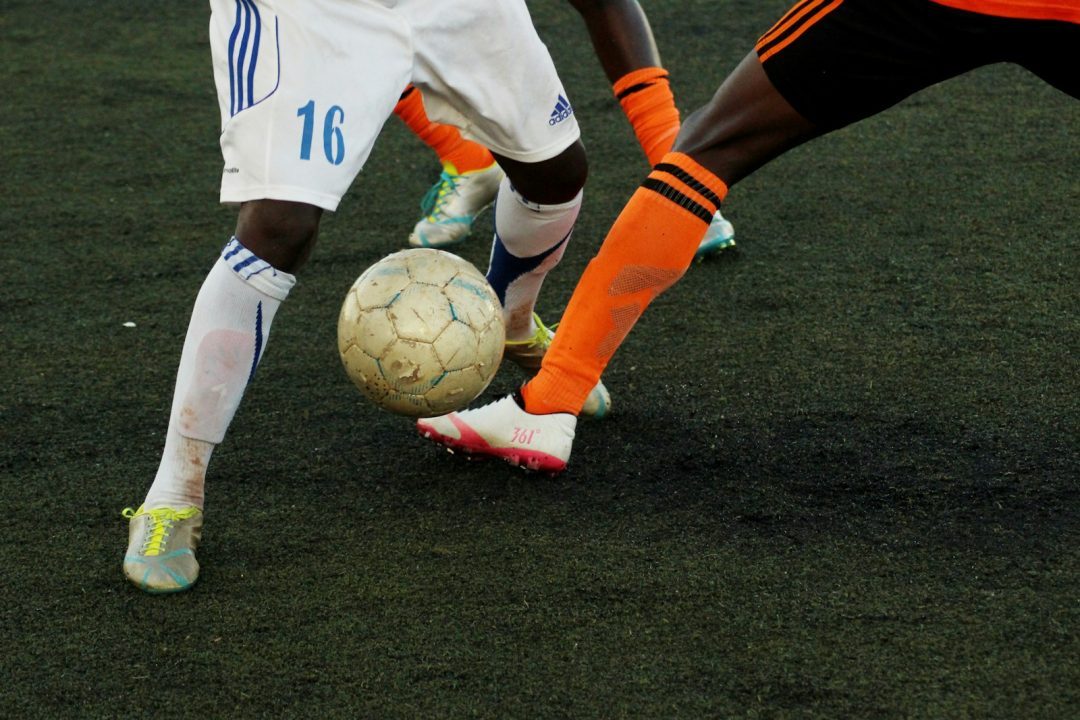
FIFA comes to America this summer — here’s what soccer fans should know about cannabis laws, stadium policies and responsible marijuana use during the world’s biggest soccer events.
As FIFA rolls out major international soccer tournaments across the United States, fans from every corner of the globe are gearing up for packed stadiums, lively fan festivals and nonstop celebrations. For those who use cannabis, there’s an extra planning step to consider. Marijuana regulations vary widely from state to state, and under federal law the plant remains illegal. Below is a clear overview of what you need to know about cannabis and FIFA events in the U.S.
This summer’s FIFA schedule — featuring the expanded FIFA Club World Cup and preparatory matches for the 2026 FIFA World Cup — will be hosted in cities such as Seattle, Miami, Atlanta, Los Angeles, Philadelphia, New York City and Charlotte. FIFA has confirmed that multiple stadiums across twelve U.S. cities will host tournament action.
RELATED: Can Cannabis Help With The Summer Vibe
For cannabis consumers, the most important point is that marijuana laws shift dramatically depending on where the game is played. States like Washington, California, New York and New Jersey permit adult recreational use. Florida and Texas operate primarily under medical‑only frameworks, while several southern states maintain more restrictive policies overall.
Even in jurisdictions where recreational cannabis is legal, public consumption is generally prohibited. Lighting up or vaping outside stadium gates, in nearby parks, on sidewalks or in parking lots can lead to fines or other penalties. FIFA’s own stadium policies are also strict: smoking, vaping devices, lighters and similar items are typically banned inside the venue perimeter.
| FIFA Host City | State | Marijuana Status |
|---|---|---|
| Seattle | Washington | Recreational cannabis legal for adults 21+ |
| Los Angeles | California | Recreational cannabis legal |
| San Francisco | California | Recreational cannabis legal |
| New York City / New Jersey region | New York & New Jersey | Recreational cannabis legal in both states |
| Philadelphia | Pennsylvania | Medical marijuana only |
| Boston | Massachusetts | Recreational cannabis legal |
| Atlanta | Georgia | Limited medical cannabis only |
| Miami | Florida | Medical marijuana only |
| Dallas | Texas | Very limited medical program |
| Houston | Texas | Very limited medical program |
| Kansas City | Missouri | Recreational cannabis legal |
Travelers should also keep in mind that airports and aircraft fall under federal jurisdiction. Despite expanding state‑level legalization, marijuana remains illegal under U.S. federal law. Bringing cannabis through airport security or transporting it across state lines can still lead to legal complications.
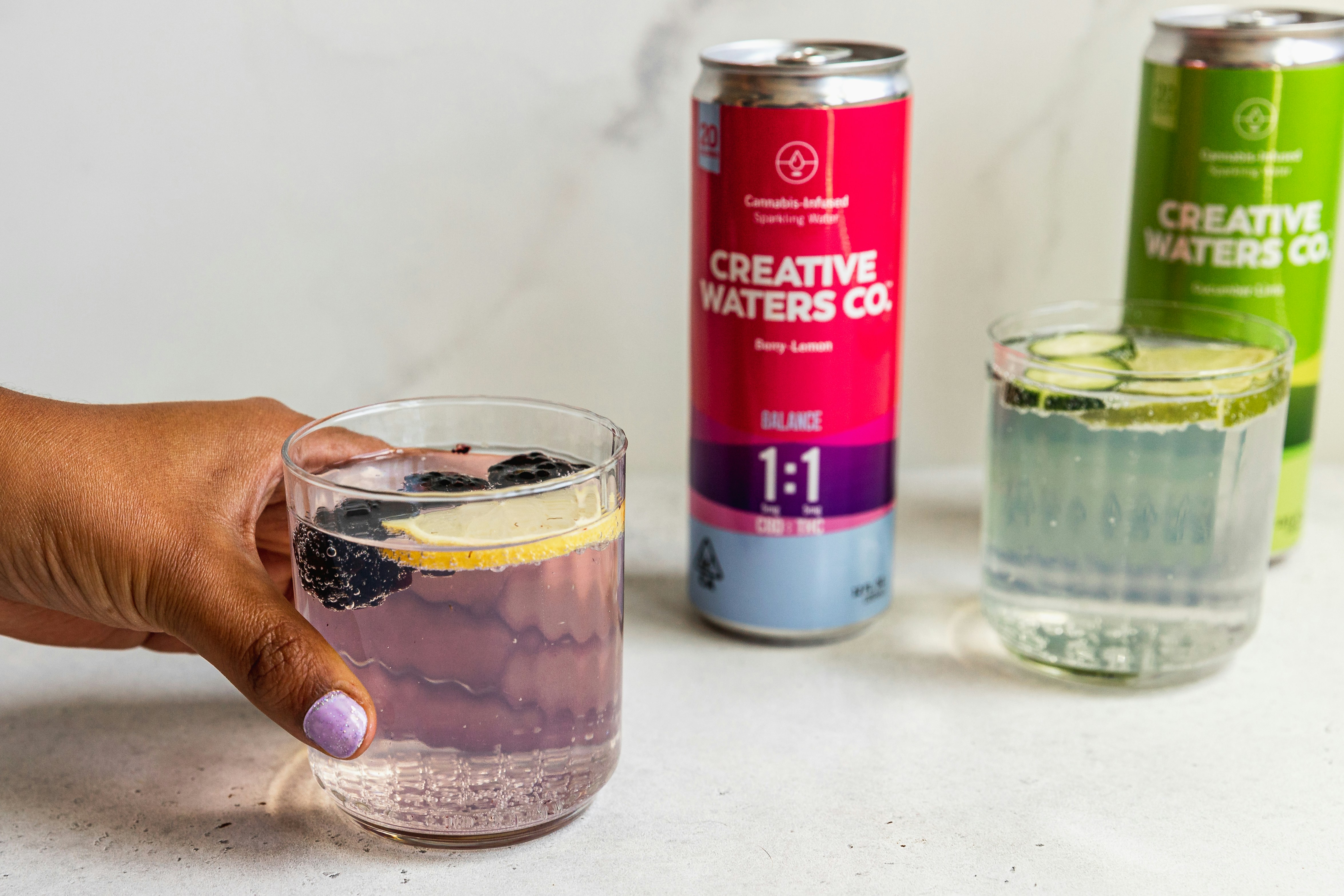
For many adult fans, a modest amount of cannabis can enhance the matchday experience when used responsibly. Microdosing — consuming very small quantities rather than a large dose — has grown in popularity among sports spectators. Instead of becoming overly intoxicated, microdosing may help some adults relax, enjoy the crowd atmosphere, ease social anxiety or simply heighten the excitement of the game.
A low‑dose edible, a modest cannabis‑infused beverage or a single puff before heading to a fan watch party can provide a more balanced experience than heavy consumption. Moderation is essential. Soccer matches often stretch several hours when you factor in travel, security lines and possible extra time, so overconsuming in crowded stadium settings can quickly become uncomfortable.
Fans should also stay aware of local impaired‑driving laws. Driving under the influence of marijuana is illegal nationwide, even in states where recreational use is permitted. Rideshare services and public transit are often the safest choices after matches and celebrations.
RELATED: Nature’s Herbs Spotlighted for Modern Wellness
While FIFA fans may legally consume cannabis in certain host cities, players operate under a completely different rule set. FIFA adheres to strict anti‑doping regulations in coordination with the World Anti‑Doping Agency (WADA). Athletes can be subjected to random blood and urine testing during competitions and training periods.
Cannabis‑related substances can still trigger anti‑doping flags depending on timing, THC concentration and competition status. FIFA reminds players that they bear personal responsibility for any prohibited substances detected in their systems.
For supporters, the takeaway is straightforward: know the local laws, respect stadium policies and consume responsibly. With millions anticipated to attend FIFA events across the United States this summer, cannabis tourism and soccer culture are set to intersect in a uniquely American way.