

Wisconsin Hemp Farmers Face Uncertain Future as Federal Law Changes Loom
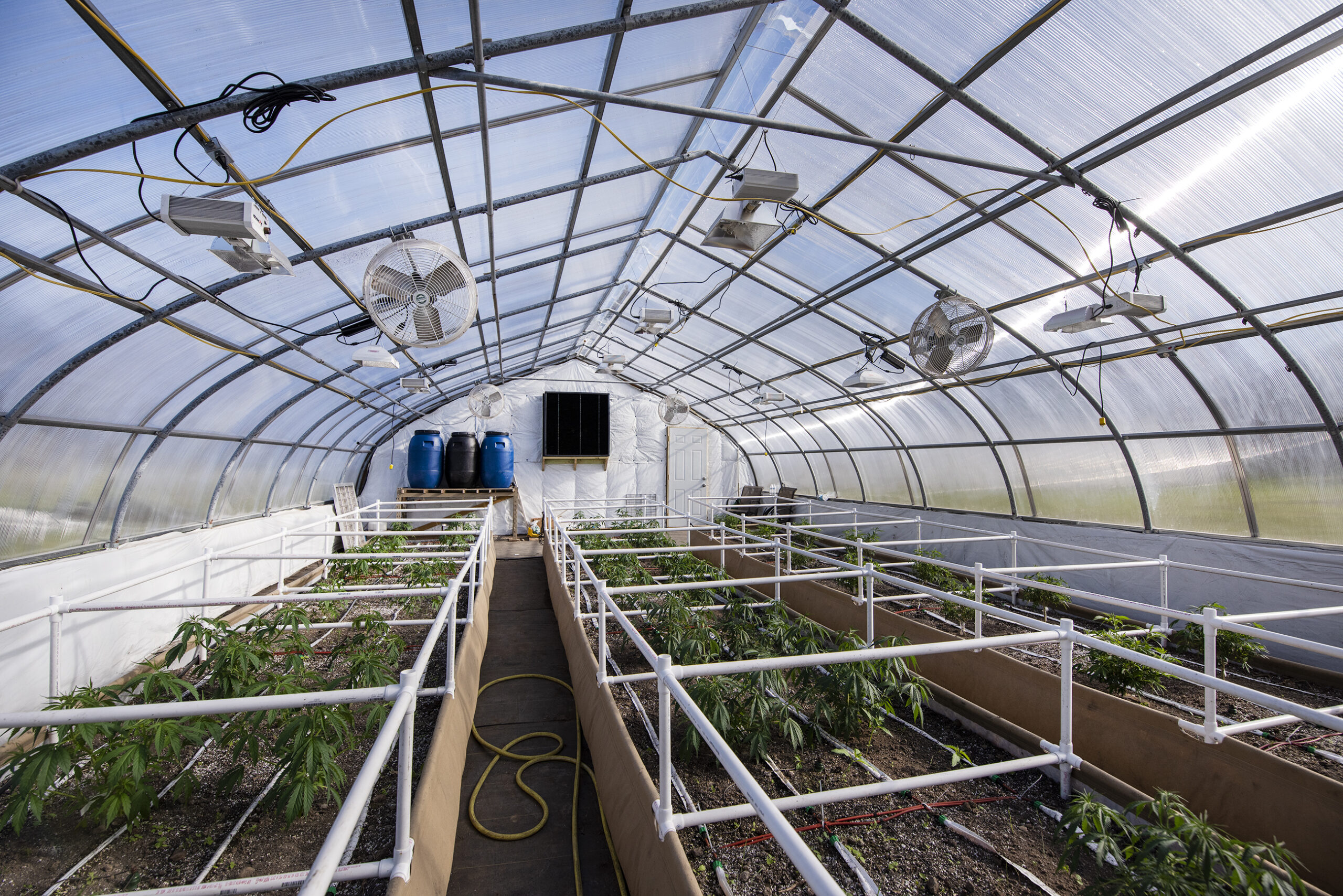
Luke Heidt has been cultivating hemp on a former dairy farm outside Eau Claire since Wisconsin legalized the crop in 2017. Over the past several years, his operation, Wisconsin Hemp Flower, has supplied cannabidiol (CBD) products to customers across the United States. Now, like many other hemp growers in the state, Heidt is preparing to scale back his planting as he anticipates going out of business this November.
The Shift in Federal Definition
A forthcoming change to federal law will alter the legal definition of hemp by banning any product with a total THC concentration exceeding 0.3 percent. This threshold currently governs the legality of hemp‑derived CBD and THC items sold under a loophole that permits their distribution as long as delta‑9 THC remains below the limit. When the new rule takes effect, the loophole will close, potentially rendering many existing products non‑compliant.
In a letter to Congress dated February 27, Governor Tony Evers warned that the change could cut roughly $700 million in economic activity and eliminate about 3,500 jobs in Wisconsin. The state’s hemp sector has already shown signs of contraction: the U.S. Department of Agriculture reported 274 licensed hemp growers as of the latest count, down from 470 licenses in November 2023.
Impact on Growers Like Luke Heidt
Heidt describes himself as an “old‑school CBD farmer,” focusing on strains with minimal tetrahydrocannabinolic acid (THC‑A) and delta‑9 THC. Despite his careful cultivation, he worries that his products will consistently hover near the 0.3 percent threshold, making them risky for consumers and retailers alike.
“Almost everything I produce will be so close to the line of being illegal that I’ll be too close to the line to do it,” Heidt said. “What if I get 0.31, am I going to get a felony and get locked up?”
His sentiment echoes among other Wisconsin hemp producers who fear that even minor testing variations could push their goods over the limit, exposing them to legal liability.
An image of Heidt standing amid his hemp field illustrates the scale of his operation:
Economic Projections and Industry Response
Shelby Ellison, an agricultural professor at the University of Wisconsin‑Madison, notes that the recent drop in licensed growers may reflect a wait‑and‑see attitude as farmers evaluate whether the loophole will persist. She anticipates clearer data once growers decide whether to reapply for USDA licenses in the coming months.
Local businesses that rely on hemp‑derived products are also feeling the pressure. Chris Busky, owner of Wonders of Nature—a cannabis cafe and dispensary in Eau Claire—works with small hemp farmers in the region. He reports that many producers are sitting on inventory from last year’s harvest, uncertain about how to process and sell it before the November deadline.
“A lot of these farmers are sitting on crops that they grew last year (and) it’s going to be difficult for them to sell,” Busky said. “Because by the time you get that material processed into a finished good we’re going to have the November deadline up.”
Busky warns that his dispensary, which helps fund the cafe, may be forced to close, resulting in the layoff of eight employees. He highlights the therapeutic value his customers have found in the products, ranging from improved sleep for seniors to anxiety relief for individuals undergoing cancer treatment.
A photograph of a Madison storefront advertising hemp‑derived CBD and THC products captures the current retail landscape:

Looking Ahead
As the November deadline approaches, Wisconsin’s hemp community faces a pivotal moment. Farmers like Heidt must decide whether to pivot to alternative crops, invest in costly testing and compliance measures, or exit the industry altogether. Policymakers, researchers, and industry stakeholders will continue to monitor the economic and social impacts of the federal change, with hopes that a viable path forward can be found for the state’s once‑thriving hemp sector.
For the original reporting, see the source: Here