

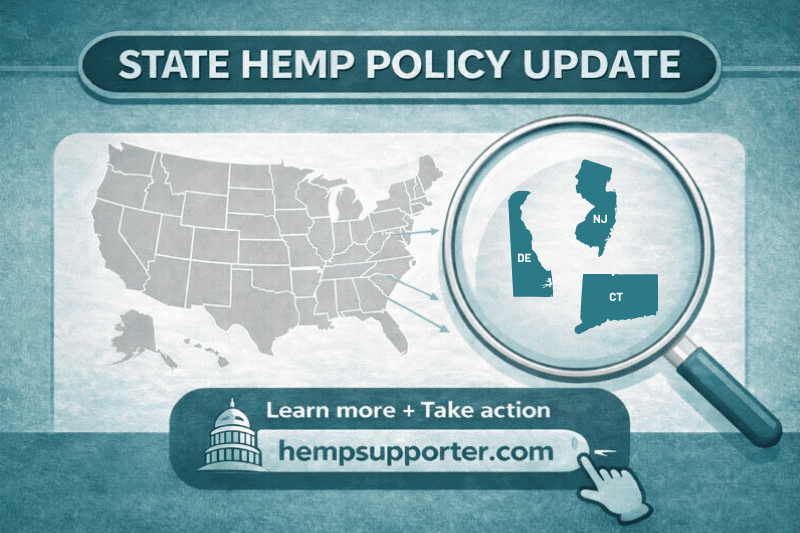
State Hemp Policy Update: Connecticut, Delaware, New Jersey
The U.S. Hemp Roundtable regularly monitors legislative developments that shape the national hemp landscape. Recent sessions in Connecticut, Delaware, and New Jersey have introduced measures that affect licensing, testing, and market access for hemp‑derived products. This update breaks down the key changes in each state and explains what they mean for growers, processors, and retailers.
Connecticut
In early 2024, Connecticut passed Public Act 24‑5, which amends the state’s hemp program to align more closely with the 2018 Farm Bill. The law raises the permissible THC threshold for hemp from 0.3 % to 0.5 % for certain floral products, provided they are labeled as “non‑intoxicating” and sold only in licensed dispensaries. The Connecticut Department of Agriculture now requires all hemp processors to submit quarterly potency reports via the state’s online compliance portal.
Industry experts note that the higher THC allowance could open new product categories, such as full‑spectrum tinctures, while still keeping products below the psychoactive threshold associated with marijuana. According to a 2023 market analysis by the Hemp Industry Daily, states that have adopted similar THC flexibilities saw a 12 % increase in hemp‑derived supplement sales within the first year.
Delaware
Delaware’s General Assembly passed Senate Bill 87 in March 2024, establishing a pilot program for hemp fiber processing. The bill allocates $2 million in grant funding to support the construction of two regional decortication facilities in Kent and Sussex counties. Applicants must demonstrate a minimum of 500 acres of contracted hemp cultivation to qualify.
Supporters argue that the initiative will reduce reliance on out‑of‑state processing and create up to 150 jobs in rural areas. The Delaware Farm Bureau cited a 2022 USDA report showing that the national demand for hemp fiber grew by 18 % annually, driven by the automotive and textile sectors seeking sustainable alternatives.
New Jersey
New Jersey updated its hemp regulations through Assembly Bill 4221, signed into law in June 2024. The amendment introduces mandatory third‑party testing for all hemp extracts intended for human consumption, with results posted to a publicly accessible dashboard managed by the New Jersey Department of Health. Additionally, the state now permits the sale of hemp‑derived CBD edibles in licensed retail establishments, provided each serving contains no more than 5 mg of CBD.
Public health officials contend that the transparency measures will improve consumer confidence and reduce the risk of mislabeled products. A 2023 study published in the Journal of Cannabis Research found that states with compulsory lab reporting experienced a 27 % drop in adverse event reports related to hemp supplements.
Implications for the Industry
Taken together, these state‑level adjustments reflect a broader trend toward nuanced hemp policies that balance agricultural opportunity with consumer safety. Stakeholders should consider the following actions:
- Review licensing requirements in each jurisdiction to ensure compliance with new testing and reporting timelines.
- Explore partnership opportunities with Delaware’s emerging fiber processing hubs, especially for businesses interested in sustainable materials.
- Monitor Connecticut’s THC threshold changes, as they may influence product formulation and labeling strategies.
- Prepare for New Jersey’s public testing dashboard by maintaining accurate batch records and ready‑to‑share certificates of analysis.
By staying informed and proactive, hemp operators can navigate the evolving regulatory environment while capitalizing on the growth prospects each state is cultivating.
We use cookies to enhance your browsing experience and analyze our traffic. By clicking “Accept”, you consent to our use of cookies.