


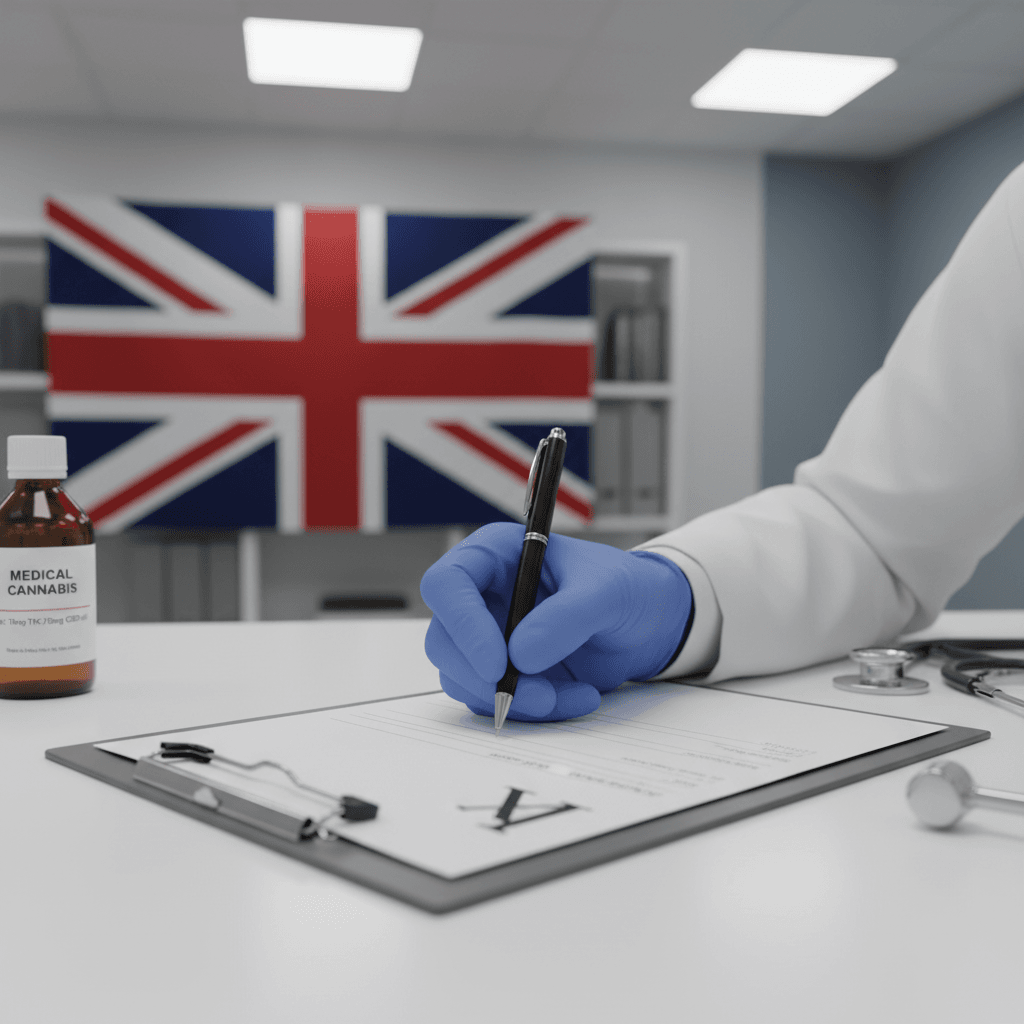
UK Medical Cannabis Regulatory Framework
In the United Kingdom, cannabis remains a Class B controlled substance under the Misuse of Drugs Act 1971, which makes unauthorised possession, supply or cultivation a criminal offence. A pivotal shift occurred in November 2018 when cannabis‑based medicinal products were rescheduled to allow prescription by specialist clinicians. This created a dual system that persists in 2026: recreational use stays prohibited, while a tightly regulated medical pathway permits access for patients who meet strict clinical criteria.
Patient Eligibility and Prescribing Pathway
Access to medical cannabis is not available through general practitioners or over‑the‑counter counters. To qualify, a patient must:
- have a confirmed diagnosis of a qualifying condition (e.g., chronic pain, spasticity due to multiple sclerosis, severe epilepsy);
- have tried and found inadequate relief from conventional treatments;
- receive a prescription from a specialist doctor listed on the General Medical Council register.
This step‑wise approach positions cannabis‑based medicines as a later‑line option rather than a first‑line therapy. Although legal, NHS prescribing remains limited; Home Office data from 2023 showed that fewer than 5 % of all medical cannabis prescriptions were dispensed through the NHS, with the majority issued via private clinics (Home Office, 2023).
Legal vs. Illegal Cannabis Activities
Clarifying what is permissible helps avoid inadvertent breaches of the law:
- Legal: Cannabis‑based products prescribed by a specialist (e.g., Sativex®, Epidyolex®), licensed imported medicines, and any preparation authorised under a Home Office licence.
- Illegal: Recreational use, possession without a valid prescription, purchase from unregulated sources, and smoking cannabis even when a prescription exists (alternative routes such as oral oils or vaporisation are required).
The distinction is especially relevant for individuals whose home countries have more permissive attitudes toward cannabis, as misunderstanding the UK’s boundaries can lead to legal complications.
Evolving Enforcement and Public Awareness
While the statute itself has not changed since 2018, policing practice has evolved. In early 2025 the National Police Chiefs’ Council issued guidance urging officers to treat individuals as “patients first” when credible evidence of a prescription is presented. This shift aims to reduce the number of unnecessary stops and searches that followed the initial rescheduling, aligning enforcement with the legislative intent (NPCC, 2025). Public information campaigns run by the Department of Health and Social Care have also sought to improve awareness among patients, clinicians, and the general public about the legal nuances of medical cannabis.
CBD Products and System Evolution
It is essential to differentiate medical cannabis from over‑the‑counter cannabidiol (CBD) supplements. CBD products sold in the UK must contain less than 0.2 % THC and are regulated as food supplements or cosmetics under the Food Standards Agency. They do not require a prescription and are not considered medical cannabis. Medical cannabis preparations, by contrast, contain standardized ratios of THC and CBD, are subject to the Human Medicines Regulations 2012, and can only be supplied following a specialist prescription.
Despite being available for several years, the UK’s medical cannabis framework is still maturing. Estimates from the Medicines and Healthcare products Regulatory Agency (MHRA) indicate that approximately 30 000 patients held active prescriptions in 2024, reflecting gradual growth (MHRA, 2024). Ongoing efforts focus on:
- expanding NHS prescribing through updated NICE guidance (NG144);
- supporting clinical research via the National Institute for Health and Care Research (NIHR);
- standardising dosing and monitoring protocols across private and public sectors;
- enhancing patient education to curb misuse and ensure safe use.
For anyone navigating the UK’s medical cannabis landscape, the key takeaway is that the country has not legalised cannabis broadly but has established a carefully controlled medical pathway that operates alongside firm criminal prohibitions. Understanding this balance is essential for legal compliance and informed decision‑making.
Source: Here