

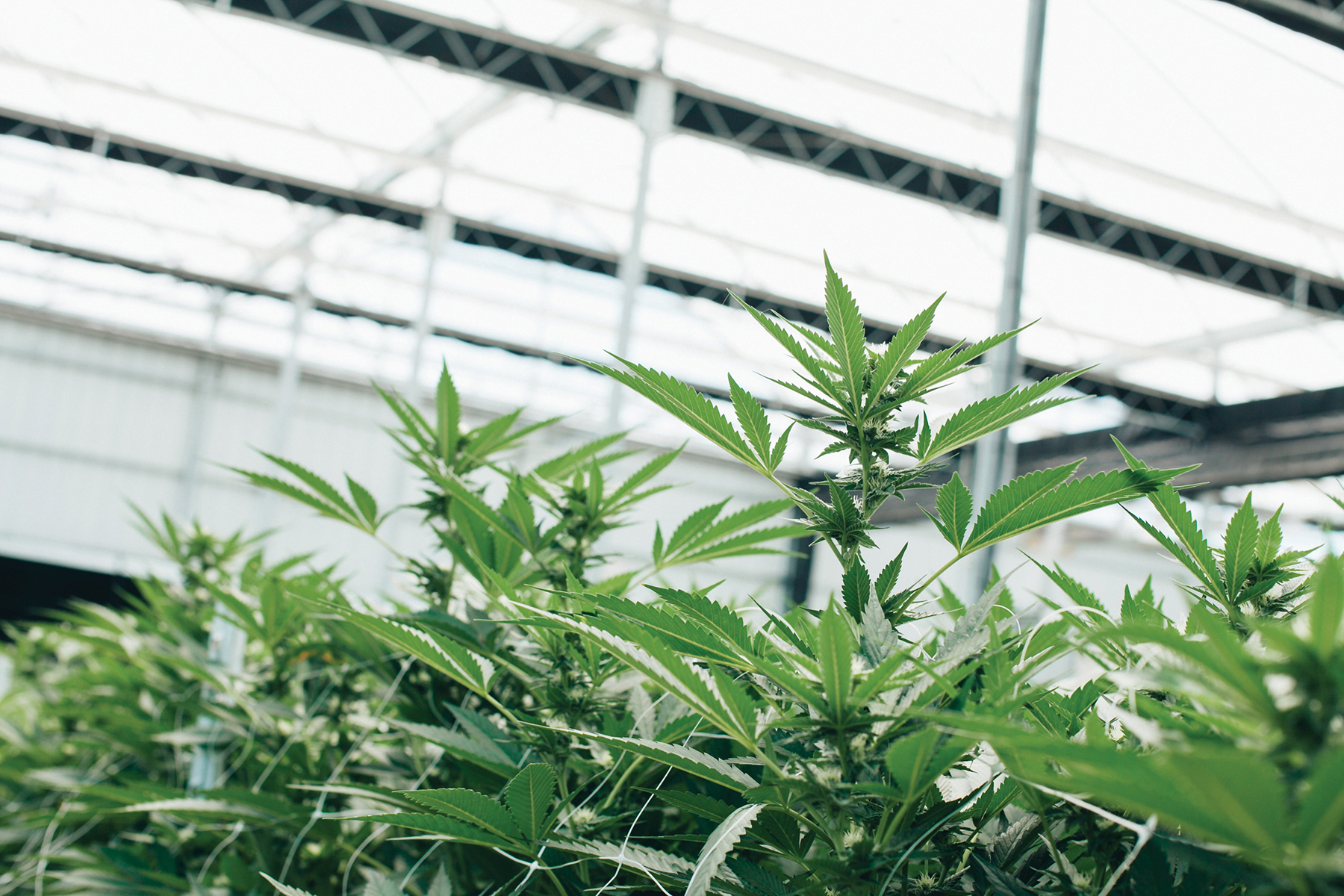
Cannabis Surpasses Fresh Produce as BC’s Leading Cash Crop
Since Canada legalized recreational cannabis in October 2018, the plant has moved from a niche product to a major agricultural commodity. According to Statistics Canada, licensed cannabis producers contributed roughly $10.6 billion to the nation’s gross domestic product in the most recent reporting year, underscoring the sector’s economic weight.
BC Farm Cash Receipts Show Cannabis Ahead of Fruit
In British Columbia, the value of cannabis has now eclipsed that of traditional fresh‑fruit crops for two consecutive years. Statistics Canada reports that farm cash receipts for “Cannabis seeds, vegetative plants and flowering tops (including leaves)” reached $636 million in 2023, while the combined receipts for apples, blueberries, grapes, strawberries and cranberries totaled $482 million during the same period.
The shift first became evident in 2022, when cannabis generated about $475 million compared with roughly $465 million from fruit production. Analysts note that the BC fruit category includes several high‑value commodities, making the cannabis lead particularly notable given the province’s reputation for berries and vineyards.
Industry Consolidation Amid Market Pressures
Despite the overall rise in cannabis revenue, the landscape is marked by consolidation and facility repurposing. Several large operators have scaled back or shifted focus:
- Decibel Cannabis Co. Inc. sold its Creston production site in February 2024 to concentrate operations in Saskatchewan.
- Tantalus Labs, once celebrated for its sustainable greenhouse in Maple Ridge, entered bankruptcy in June 2023 after accruing debts to Sungrown Mortgage Corp. and the Canada Revenue Agency; its assets were later acquired by Atlantic Cultivation.
- Aurora Cannabis closed a 200‑acre outdoor farm in Westwold in May 2022 following its acquisition of Thrive Cannabis, and has since pivoted toward medical‑cannabis exports to Europe.
- Tilray Inc. shut its Nanaimo greenhouse in September 2021 after merging with Aphria Inc., forming Tilray Brands Inc., which now balances cannabis with craft‑beer ventures.
- Canopy Growth ceased operations at its Delta and Aldergrove greenhouses in March 2020, citing slower‑than‑expected recreational demand and new federal rules permitting outdoor cultivation. The 1.7‑million‑square‑foot Delta facility—once the world’s largest cannabis greenhouse—was purchased by Fresh4Sunset Farms Ltd. for strawberry and tomato production.
These moves reflect a maturing market where only the most capital‑efficient producers remain competitive. Remaining cannabis cultivation in Delta is now dominated by a handful of expanding enterprises.
Key Players Expanding Capacity in Delta
Pure Sunfarms, a subsidiary of Village Farms International Inc., announced in August 2023 a major enlargement of one of its Delta greenhouses. The project adds 550,000 square feet of canopy, projected to yield an additional 40,000 kilograms of dried flower, a volume the company says will secure its place among the world’s single‑largest cannabis producers.
Rubicon Organics, which focuses on organic‑certified products, operates a 125,000‑square‑foot greenhouse in Delta. In June 2023 the firm acquired a 47,500‑square‑foot site in Hope, a move it describes as a “key milestone” in its growth strategy. Rubicon expects the new facility to boost overall capacity by 40 percent, raising annual output to roughly 15,500 kilograms of cannabis.
Community Concerns: Odour, Light Pollution and Land‑Use Debates
The rapid conversion of greenhouse space to cannabis has sparked local criticism. Ian Paton, MLA for Delta South and agriculture critic for the BC Conservative Party, recalled his unease when provincial policy first allowed cannabis to be cultivated on any agricultural land.
“All of a sudden, they started closing down greenhouses to food production and converted to cannabis production, which never sat very well with me. Why would that happen? We granted them permission to build these greenhouses to produce food, and now suddenly they can flip the switch and start growing cannabis?”
Paton reports frequent complaints from residents about strong odours emanating from cannabis facilities and intense interior lighting that illuminates the night sky. He specifically cites Village Farms’ operation near Boundary Bay Airport, noting the absence of light‑screening on greenhouse windows allows excess light to contribute to local light‑pollution.
Licensing Trends Signal a Maturing Sector
Data from Health Canada, highlighted by industry analysis outlet StratCann, indicate a slowdown in new cultivation licences. As of March 9 2024, only six new licences had been issued for the 2026‑year intake, compared with more than double that number at the same point in 2023. David Brown, founder of StratCann, interprets the decline as a sign of the sector’s “continuing maturation,” suggesting that prospective entrants are now more cautious given the industry’s tight margins, rigorous regulatory framework, and intense competition.
Sarah Campbell, director of the Craft Cannabis Association of BC, acknowledges that small‑scale producers continue to face hurdles such as high excise taxes, complex reporting requirements, and restrictions on marketing. Nevertheless, she observes that many independent growers remain committed, adapting their business models to sustain operations within the current environment.
Looking Ahead
British Columbia’s cannabis sector illustrates a classic pattern of rapid expansion followed by consolidation. While overall farm cash receipts for the plant now surpass those of the province’s iconic fruit crops, the future will likely hinge on how producers navigate regulatory demands, energy‑intensive indoor cultivation, and community relations. Continued investment in sustainable practices—such as water‑recycling systems and renewable‑energy sources—may help address both economic and environmental concerns, allowing cannabis to maintain its role as a valuable, albeit controversial, component of BC’s agricultural mix.
Source: Here