

Virginia Hemp Farmer Warns Recreational Marijuana Plan Threatens Small‑Scale Operations
Tucked just off Interstate 95 in Ruther Glen, Redfern Farm and Market spreads across 42 acres of rolling farmland. Owner Graham Redfern has invested thousands of dollars and countless hours since 2018 to cultivate a mixed‑crop operation that includes industrial hemp, vegetables, and heritage grains.
The hemp grown on the property is processed into a line of consumer goods that Redfern says serves a broad range of customers.
“So our dog treats, our creams, our CBD oils, all come from the oil produced from the plants of the hemp that we grow here,” Redfern said. “It does not matter. There is something that somebody uses within every demographic with one of these products.”
Regulatory Shift Closes the 25‑to‑1 Hemp Loophole
According to a CBS 6 report, state officials outlined a plan to launch recreational marijuana sales statewide beginning July 1, 2027. As part of that legislation, the so‑called “25‑to‑1 hemp loophole” will be eliminated. Under the current rule, hemp‑derived products containing up to 25 milligrams of THC per serving could be sold with minimal oversight.
Redfern explains that the loophole has allowed his farm to legally market items with slightly higher THC concentrations—specifically products that exceed the 2 milligram THC limit now set for hemp‑derived goods.
“With that provision gone, he says those products can no longer be sold after August 15 of this year,” the report notes. He warns that the loss of these items will push customers toward online or out‑of‑state vendors, making it difficult to regain his local clientele.
State Officials Emphasize Public Safety
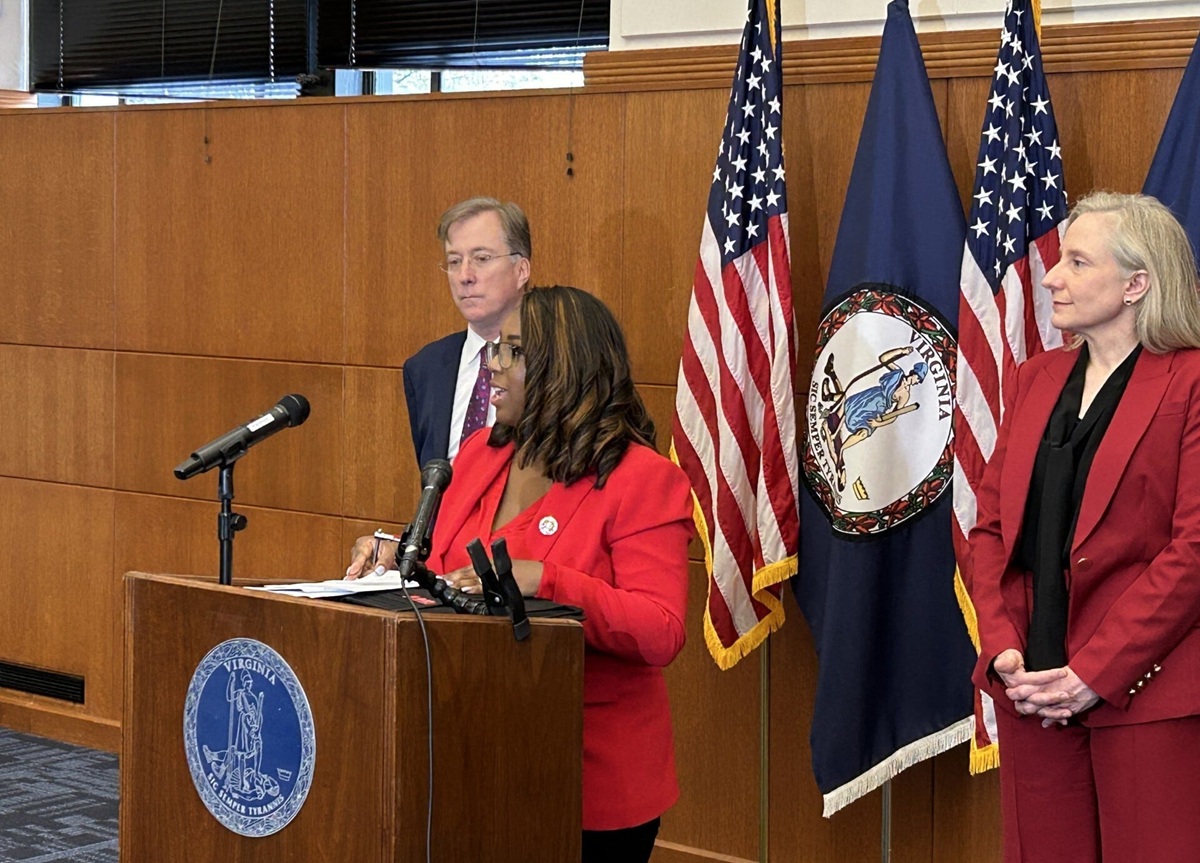
Virginia Senator Lashrecse Aird responded to concerns from farmers like Redfern, acknowledging the uncertainty the change creates while defending the policy’s intent.
“We understand that changes in the marketplace create uncertainty for existing businesses, and I sympathize with farmers and producers who are trying to plan for the future. However, it’s important to be clear about what this provision does and does not do. Closing the 25‑to‑1 loophole does not prevent farmers from continuing to grow industrial hemp or produce products that comply with Virginia’s 2 milligram THC limit. What it does is address a loophole that has allowed intoxicating products to be marketed and sold as cannabis outside of a robust regulatory framework that protects consumers.”
She added that the move is fundamentally a public‑safety measure, ensuring that any product marketed as cannabis meets the same testing, labeling, and age‑restriction standards applied to recreational marijuana.
Uncertain Future for Hemp‑Derived Goods
Redfern says he is unsure how to adapt his business before the August 15 deadline.
“I’m gonna lose all my customers to online, out‑of‑state people within a month of me not being able to sell because they’re gonna have to go find it somewhere else, and for me to get them back out, near impossible, because there’s not gonna be an outlet for me to sell through and they’re not coming back. So you’re killing small business, you’re completely changing the livelihoods of your constituents and you’re crushing a commodity that our forefathers grew.”
He also points out that many consumers rely on hemp‑derived CBD oils for pets and livestock, raising questions about where those products will be sourced once the higher‑THC items disappear from local shelves.
For now, Redfern awaits guidance from state agencies on possible transitional assistance, alternative licensing pathways, or clarification on how hemp farmers might continue to operate within the new limits.
Source: Here