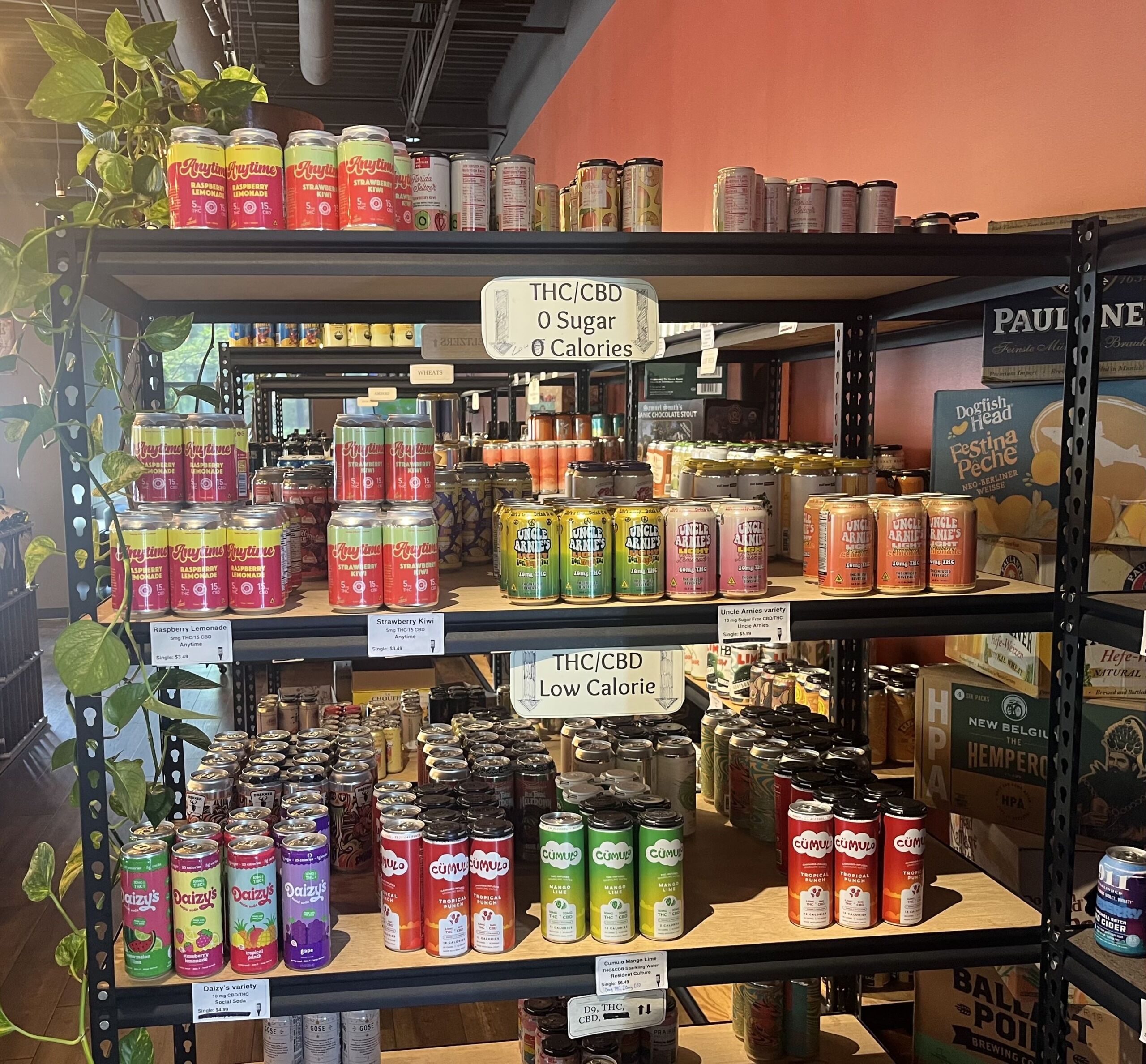

Lawmaker Introduces Bipartisan Bill to Regulate Hemp-Derived Products
U.S. Congressman Andy Barr (R‑Ky.) unveiled a new piece of legislation on Wednesday aimed at creating a national regulatory framework for hemp‑derived consumer goods. The bill, titled the “Lawful Hemp Protection Act,” enjoys bipartisan backing and seeks to address growing concerns about product safety, market stability, and the protection of younger consumers.
Key Provisions of the Lawful Hemp Protection Act
The proposal sets uniform standards for every stage of the hemp supply chain—cultivation, manufacturing, testing, and labeling. It would restrict the sale of these products to individuals aged 21 and older and prohibit any advertising that targets children. Additionally, the act explicitly bans synthetic cannabinoids from finished hemp‑derived items, a measure intended to curb the rise of unregulated, potentially harmful substances that have appeared in some market segments.
Support from Kentucky Farmers and Congressional Colleagues
Congressman Barr emphasized that Kentucky’s growers have been instrumental in building the domestic hemp industry and deserve regulatory certainty. “Kentucky has demonstrated that hemp can be successfully regulated while supporting farmers and protecting consumers,” Barr said. He added that the legislation “rewards responsible producers, eliminates bad actors, and ensures consumers have confidence in the products they purchase.”
Representative Angie Craig (D‑Mn.), the lead Democrat on the House Agriculture Committee, echoed those sentiments, noting that the bill offers an alternative to federal policies she views as short‑sighted and detrimental to jobs in her state. “I am proud to have worked with Rep. Barr on a solution that protects our farmers and small businesses while also keeping our kids and communities safe,” Craig stated.
Industry Context and Potential Impact
According to Barr’s office, Kentucky farmers cultivated roughly 4,700 acres of industrial hemp in 2025, a figure that underscores the state’s significant role in the national market. The current legal landscape includes provisions set to take effect in November that many stakeholders argue could jeopardize lawful hemp production. By establishing clear, nationwide rules, the Lawful Hemp Protection Act aims to provide the stability needed for continued growth, while safeguarding public health.
Industry analysts point out that a consistent regulatory environment can help reduce illicit products, improve consumer trust, and open opportunities for legitimate businesses to access banking and insurance services—benefits that have been elusive under the current patchwork of state‑level rules.
Source: Here