
North Carolina Hemp Bill Faces House Standoff
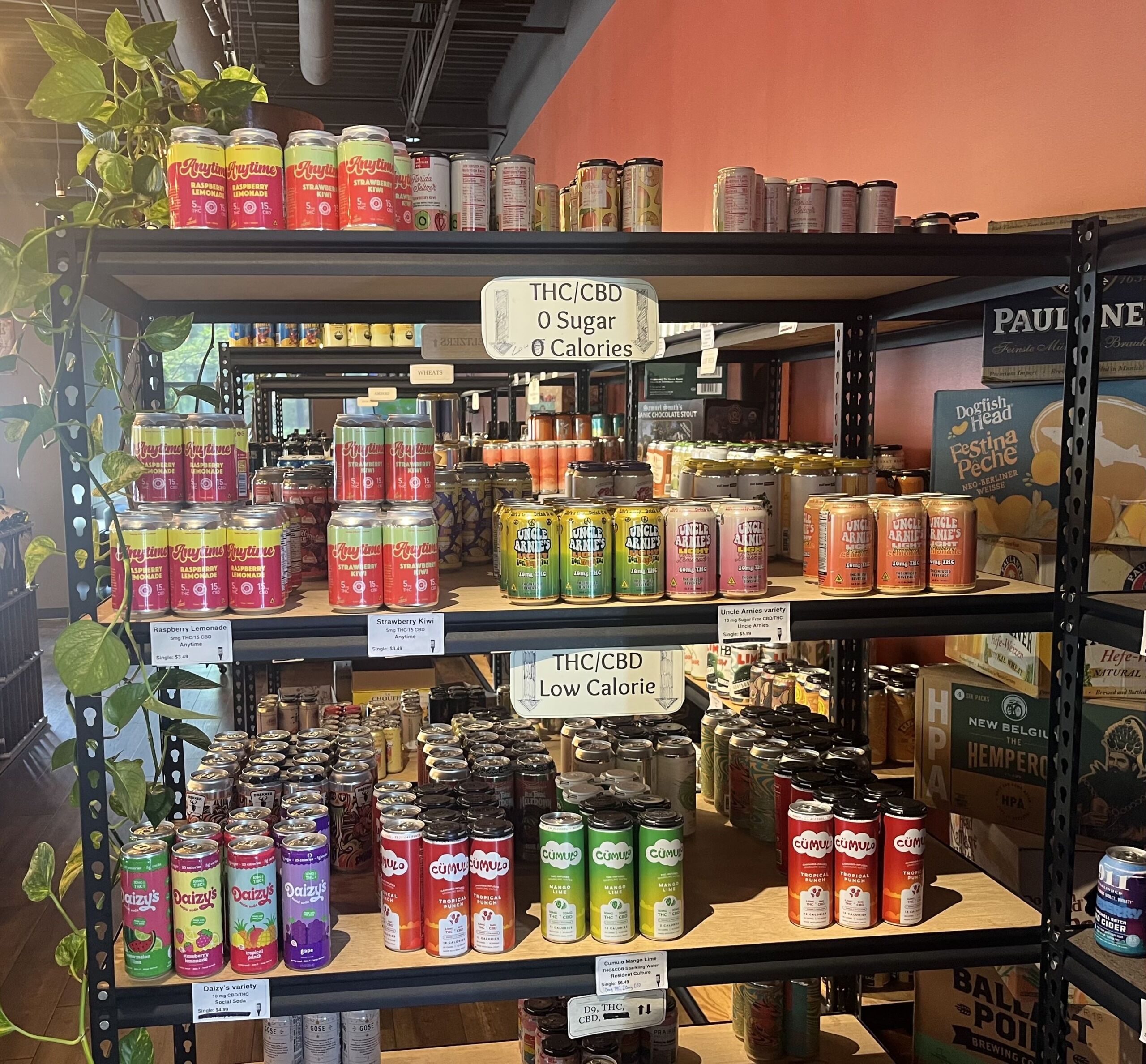
A Senate‑approved conference report that would largely ban intoxicating hemp products in North Carolina has stalled in the House, where Republican lawmakers have raised concerns about the scope of the agreement. The legislation, House Bill 328 titled “Regulate Hemp‑Derived Consumables,” proposes a 0.4 milligram total THC limit per container for finished hemp‑derived consumable products. If enacted, the measure would remove most THC beverages, gummies, vapes, delta‑8 products, and THCA flower from the legal market in the state.
Senate Passes Conference Report
On July 2, the Senate adopted the conference report by a vote of 37‑6. Senate Leader Phil Berger (R‑Rockingham) framed the bill as a necessary step to curb what he described as a “de facto recreational marijuana marketplace” that has emerged from loosely regulated hemp products.
“Dangerous and intoxicating hemp products are flooding our state… These products are advertised and marketed to children and are often deceptively labeled to trick consumers into thinking they’re safe.”
Sen. Michael Lee (R‑New Hanover) explained that the bill targets a loophole allowing intoxicating hemp items to spread across North Carolina, arguing that without action the state risks effectively legalizing recreational marijuana. He noted that many store‑bought products lack clear labeling, sometimes warning of “unidentified substances that are harmful or toxic.”
House Concerns and Age‑Verification Focus
The House did not take up the measure before lawmakers adjourned, leaving the bill eligible for action on July 27. House Speaker Destin Hall (R‑Caldwell) and other House leaders have indicated they are more interested in the bill’s age‑verification provisions than in the broader THC cap.
The conference report would make it unlawful to knowingly sell or deliver hemp‑derived consumable products to anyone under 21, prohibit possession by those under 21, and establish penalties for underage sales and possession. Supporters of stricter limits argue that current North Carolina hemp law allows intoxicating products to be sold with little oversight, while critics—including hemp businesses—warn that a strict 0.4 mg THC cap could eliminate products currently sold in breweries, bottle shops, smoke shops, convenience stores, and specialized hemp retailers.
Potential Impact on Businesses and Public Health
Sen. Bill Rabon (R‑Brunswick) warned that the legislation would affect thousands of small vendors, describing them as “drug dealers’ businesses” that serve low‑income consumers and teenagers. He suggested that a regulated marketplace would prevent illicit actors from profiting, but only if the state eliminates the current unregulated market entirely.
Opponents, such as Sen. Lisa Grafstein (D‑Wake), cautioned that a ban‑focused approach could simply push the product into a black market, potentially exposing youth to more dangerous substances. She emphasized the need for a broader regulatory framework that includes testing, labeling, and packaging standards rather than outright prohibition.
Federal Context and Future Outlook
The North Carolina proposal mirrors pending federal hemp restrictions set to take effect on November 12, 2026, which also target intoxicating hemp‑derived products containing more than 0.4 milligrams of total THC. Industry groups and members of Congress have urged the White House to delay or rewrite that federal language, seeking additional time to develop a comprehensive regulatory regime.
Unlike the federal measure, HB 328 would embed the 0.4 mg THC cap directly into North Carolina statute, meaning the state restriction could remain in force even if Congress later amends or delays its own rule.
Because conference reports cannot be amended on the floor, any significant House objection would likely require renegotiation before the bill can return for a vote. As lawmakers prepare to return later this month, the future of HB 328 remains uncertain—it could emerge as a sweeping hemp crackdown, or House resistance may lead to a narrower version focused primarily on age verification and youth access.
For more details on the developments surrounding this legislation, see the original reporting Here.