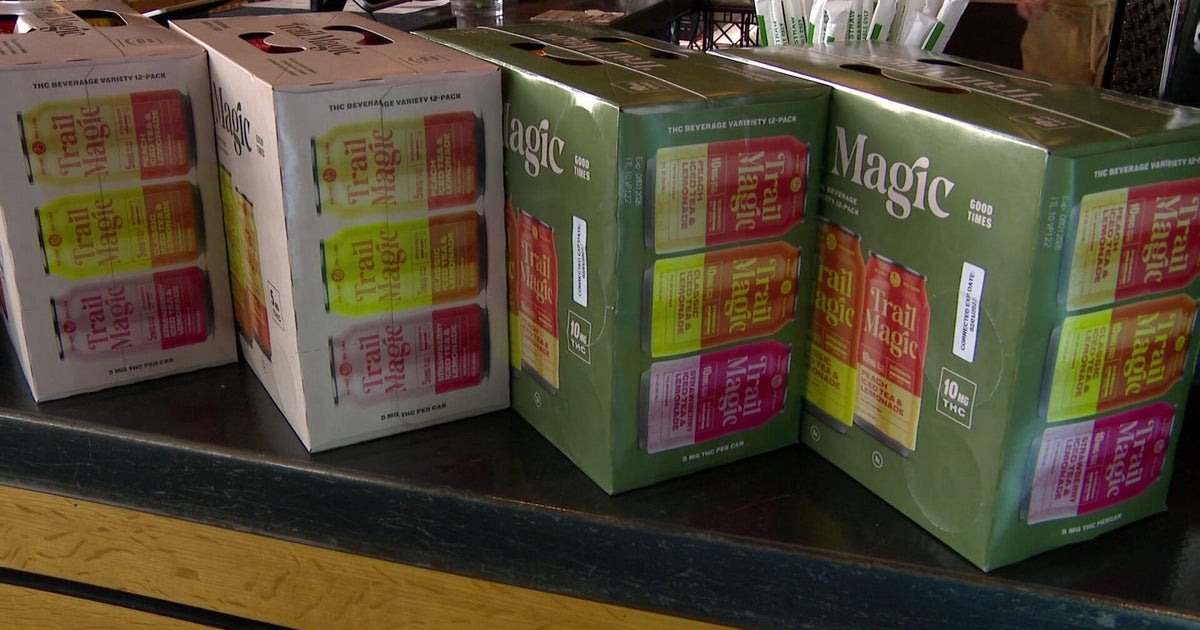

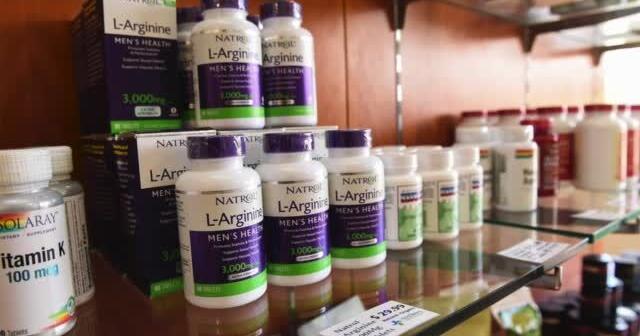
While adult use of recreational marijuana was signed into Guam law last Thursday, another cannabis byproduct — cannabidiol (CBD) — has lined the shelves of wellness boutiques, specialty stores and even coffee shops on the island for more than a year.
Cannabidiol, or CBD, is a non‑addictive substance extracted from cannabis flowers and is most often consumed as an oil. Its availability has risen in recent years because of purported health benefits. According to the World Health Organization, CBD is generally safe, well‑tolerated and has little potential for abuse or dependence.
Recreational marijuana contains the cannabis compound tetrahydrocannabinol, or THC, which produces the psychoactive “high” or “stoned” sensation. The World Health Organization links THC with various acute and chronic health effects.
However, CBD products are not always free of THC. A study cited by the Mayo Clinic examined 84 CBD products purchased online and found THC in 18 of them, illustrating that regulatory oversight of CBD remains unclear.
Medicinal use
The U.S. Food and Drug Administration has not approved the marijuana plant itself for treating any health condition, but it has sanctioned certain cannabis‑derived compounds for medical use.
- In June 2018, the FDA approved a CBD‑based drug to treat seizures in patients with two rare forms of epilepsy.
- Two additional medications containing synthetic substances similar to THC have also been FDA‑approved for managing nausea, vomiting, appetite loss and weight loss in people with AIDS or those undergoing cancer chemotherapy.
At Island Strong, a health and wellness company headquartered in Tamuning, CBD oil is believed to help the body achieve and maintain homeostasis, according to an information sheet from the store.
Related: Autism community encourages families to run, pray and learn about autism this April
Related: Private and government agencies promote awareness for developmental disabilities
The store’s handout notes: “Research shows that CBD benefits include acting as an anti‑inflammatory, anticonvulsant, antioxidant, antiemetic, anxiolytic and antipsychotic agent. In addition, cannabidiol lowers the incidence of diabetes, promotes heart health, may treat depression and supports bone growth.”
USA TODAY reports other common uses of CBD include skin care formulations, muscle‑pain relief, headache mitigation and anxiety management in pets. Potential side effects, as noted by the Mayo Clinic, can include dry mouth, diarrhea, reduced appetite, drowsiness and fatigue.
CBD can also interact with other medications. Individuals with heart conditions or those taking blood thinners are sometimes advised by physicians to avoid CBD products.
Safety
A 2018 World Health Organization report concluded that “CBD is generally well tolerated with a good safety profile” and that the compound is not associated with dependence or abuse potential.
In contrast, THC does not share this safety profile. The WHO’s separate fact sheet describes cannabis — defined as the psychoactive preparation of marijuana plants — as the most widely cultivated, trafficked and abused illicit drug worldwide, noting that roughly half of all global drug seizures involve cannabis.
The organization confirms that psychoactive cannabis can produce both acute and chronic health effects, including:
- impaired cognitive development (acute);
- impaired psychomotor performance (acute);
- development of a cannabis dependence syndrome (chronic);
- inflammation of the lungs (chronic);
- injury to the airways, trachea and major bronchi (chronic); and
- impaired fetal development during pregnancy (chronic).
Availability and popularity
Jason Gregg, vice president of Island Strong, said the cannabis byproduct “is in very high demand.” Although the store only began stocking CBD oils and creams a few months ago, Gregg observes “more and more customers every week.”
According to Gregg, most patrons purchase CBD products to address chronic pain or ongoing illnesses.
“Taking a CBD supplement can help with just about any condition,” the health coach explained. “We see a lot of diabetes, arthritis and cancer patients, but also have customers who use it to relieve old sports injuries and insomnia. One woman using CBD has not had a seizure for two months — the longest she has ever gone without seizing.”
CBD’s purported benefits extend beyond Guam’s health‑and‑wellness retailers. At Coffee Slut, patrons can request to add CBD oil to their juice or coffee.
“(CBD) is a health product that pairs well with our drinks,” said café co‑owner Justin Benavente. “We offer it by the serving, which is five drops. You can put it in any of our drinks.”
The CBD add‑in, sourced from Lattestoned Wellness Center, has been available at Coffee Slut for over a year and is popular among its customers, Benavente added.
USA TODAY notes that the FDA and the Federal Trade Commission retain authority to regulate products that make false health claims. Recently, the agencies issued warning letters to three companies — Advanced Spine and Pain LLC, Nutra Pure LLC and PotNetwork Holdings Inc — for “making unsubstantiated claims related to more than a dozen different products.”
Related: Plant‑based menu at Asiga prioritizes Guam’s seasonal ingredients
Recreational marijuana will not be available for purchase on Guam until the local Cannabis Control Board establishes rules and regulations for the cannabis industry, which must then be approved by the Legislature.
Other weed news
More: Marijuana use by adults now legal on Guam, new law draws swift reactions
More: Employees still subject to drug testing, can get fired for marijuana
More: AG Leevin Camacho works to provide answers to marijuana questions
This article originally appeared on Pacific Daily News: Weeding out misconceptions about CBD and marijuana Here